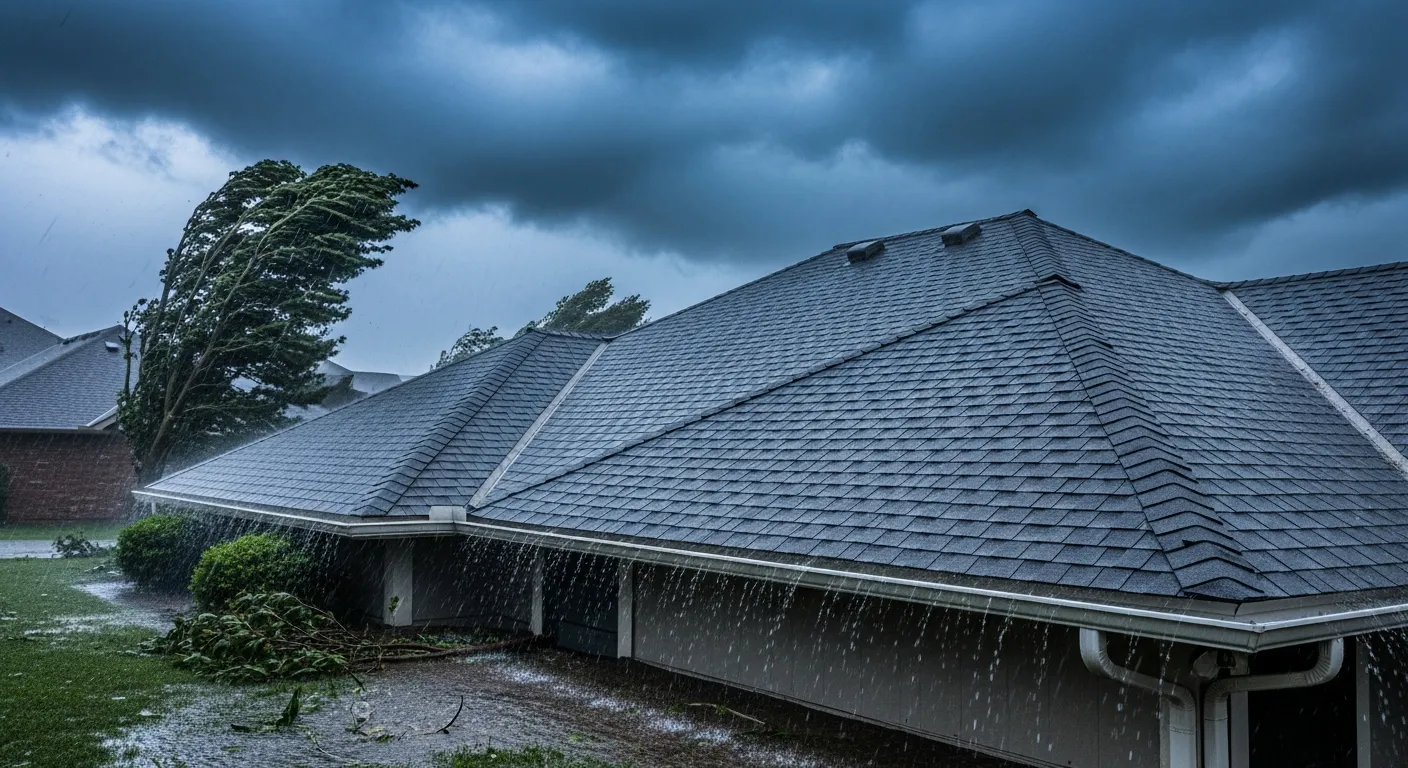
Climate change is driving an increasing frequency of severe storms, with a National Oceanic and Atmospheric Administration (NOAA) study showing that 40 out of 50 states are experiencing more high-windstorm events than 25 years ago. This shift demands a critical evaluation of roofing materials, as traditional options may no longer provide adequate protection.
Ensuring roof integrity is essential for protecting your home against these intensified storms, helping to prevent inflated damage and maintain structural stability. You can adapt by choosing more durable roofing solutions to withstand the challenges posed by the ever-changing climate in the United States.
The Weather is Changing, and Your Roof Knows It
The shift in nationwide weather patterns is unmistakable. NOAA observations show that warmer ocean temperatures are supplying more energy and moisture to storms, influencing their intensity. These more intense conditions increase wind speeds and rainfall in some storms, leading to once-rare events such as powerful gusting winds, fierce hurricanes and brutal hailstorms. This “new normal” is a growing concern for today’s homeowners. As climate change reshapes the global environment, recognizing that your roof is your home’s first line of defense is essential.
A roof built to withstand yesterday’s weather may not hold up against the ferocity of storms tomorrow. As weather events become increasingly intense, upgrading your roofing materials to prioritize durability can help prevent costly damage and provide peace of mind amid escalating extreme weather.
How to Read the Warning Signs on Your Current Roof
Regular roof inspections are necessary to maintain its integrity. This self-check guide provides actionable advice to identify warning signs that may indicate your roof needs attention. Recognizing these signs early can prevent more extensive damage and ensure your home remains safe and secure.
1. Curling or Buckling Shingles
Curling or buckling shingles are telltale signs of roof aging or wind damage. When shingles begin curling at the edges or buckling in the middle, they lose many protective capabilities, making the roof vulnerable to leaks and further damage. This deterioration can compromise your roof’s ability to protect your home from rain and other hazards, requiring proactive improvements.
2. Granules in the Gutters
These small, sandpaper-like granules are essential components of asphalt shingles. Their loss indicates that your roof is deteriorating and losing a valuable protective layer. Without these particles, shingles become more susceptible to the sun’s harmful UV rays and accelerated weathering, significantly decreasing their lifespan and effectiveness. It’s a clear sign that your roof needs immediate attention to avoid costly repairs later.
3. Daylight Through the Attic
If you can see daylight shining through your attic, you’re receiving an urgent warning sign that your roof deck may be compromised. As a result, water will infiltrate your home, potentially leading to mold growth, structural damage and extensive repair costs. Investigate and repair any leaks immediately, as timely intervention can significantly minimize long-term damage.
4. Sagging or Drooping
A sagging or drooping roof reveals a potential structural issue that you should not ignore. This condition often signals trapped moisture within the roof’s confines or its deteriorating materials, which may compromise the roof's integrity. Leaving sagging unaddressed can lead to more severe structural problems and mounting costly repairs. A professional assessment to identify the root cause and implement necessary fixes is usually advisable.
While this damage from other causes is very real and hazardous to your roof, never discount how extreme weather conditions you experience in the interim will further exacerbate it, creating additional concerns and financial implications.
The Best Roofing Materials for a Weather-Resistant Home
Choosing the best roofing material to withstand extreme weather is critical. The following materials offer distinctive benefits that relate directly to resilience against various elements. Understanding their unique properties will help you make an informed decision for owning a weather-resistant home that stands the test of time.
Metal Roofing
Metal roofing is exceptionally durable and resistant to high winds, making it ideal for storm-prone regions. This material also withstands hail impacts and is naturally fire-resistant, providing an added layer of safety for homeowners. Additionally, the long lifespans of metal roofs offer a budget-friendly option, and their reflective properties enhance energy efficiency and reduce cooling costs during hot months.
Impact-Resistant Asphalt Shingles
Impact-resistant asphalt shingles are a budget-friendly upgrade over standard roofing shingles, designed to withstand severe weather. Their flexibility allows them to minimize hail damage by absorbing it. Look for UL 2218 Class 4-rated shingles, which indicate top-tier impact resistance. This added protection prolongs the lifespan of your roof and also enhances its overall reliability against Mother Nature’s whims.
Slate or Clay Tiles
Slate or clay tiles offer natural resistance to fire and rot, making them ideal for withstanding harsh weather conditions. Their exceptional longevity can last up to 100 years, offsetting the initial higher investment. Buying these materials enhances your home’s aesthetic appeal while also protecting it from future extreme weather. Slate and clay’s durability can lead to fewer repairs and replacements over time, providing long-term value for your home.
What Else Makes a Roof Strong?
While selecting durable materials is essential to a resilient roof, it’s equally important to consider the entire roofing system. A strong roof comprises various components that work in harmony to provide the best protection against extreme weather. Understanding these elements and their joint functionality can help you achieve optimal roof performance and longevity.
Reinforced Roof Deck and Underlayment
The roof’s deck and underlayment serve as its foundational layers, providing vital structural support and acting as a secondary water barrier. A reinforced roof deck improves stability, ensuring that the roof withstands high winds and heavy loads. Meanwhile, quality underlayment prevents leaks from minor shingle defects, providing an added layer of protection against water infiltration. Together, these layers form a solid defense against the elements.
Proper Installation and Fastening
Even the highest-quality roofing materials can fail with improper installation. Professional installation ensures that every roofing component functions as intended, with correct nailing patterns and precise alignment minimizing the risk of leaks and damage during storms. You should always choose experienced contractors who understand building codes and roofing best practices, as improper techniques can lead to costly repairs down the line.
Making the Right Choice for Your Home
Making proactive decisions about your roof can safeguard your home and family. Investing in a weather-ready roofing system is about more than using the correct materials — it's about creating a secure environment that withstands the challenges of extreme weather. Choosing durable materials and ensuring proper installation enhances your home's resilience and will promote your peace of mind for years to come. Empower yourself with this knowledge to take steps toward a safer and more secure living space, especially in rising extreme weather.