Many homeowners think about the roof only as protection from external elements. But its condition can directly affect their home. A poorly maintained roof can lower air quality by allowing dust and other compounds to enter the house. Understanding that link becomes important to maintain both a healthy environment and solid property. Here are a few common problems and how they can cause poor indoor air quality.
Leaks Can Encourage Mold Growth
A roof leak hardly announces itself before it causes water to damage the attic. Water usually gets in spots you rarely look at, like insulation framing. Leaving those areas wet creates the right conditions for mold to form. The US Environmental Protection Agency also recognizes that it will not grow if wet areas dry out within 48 hours. That is a short time to catch and stop water effects if you do not walk around your house every day.
Signs to be keen about include throat, eye, and nose irritation. Older people and those with breathing problems may also have increased symptoms of asthma and allergies. A musty smell or stains that keep coming back after cleaning are a good reason to have a thorough walkthrough. Delaying to fix leaking areas can result in costly repairs. These include replacing drywall or structural wood instead of only fixing one area.
Damaged Roofing Materials Can Release Dust and Debris
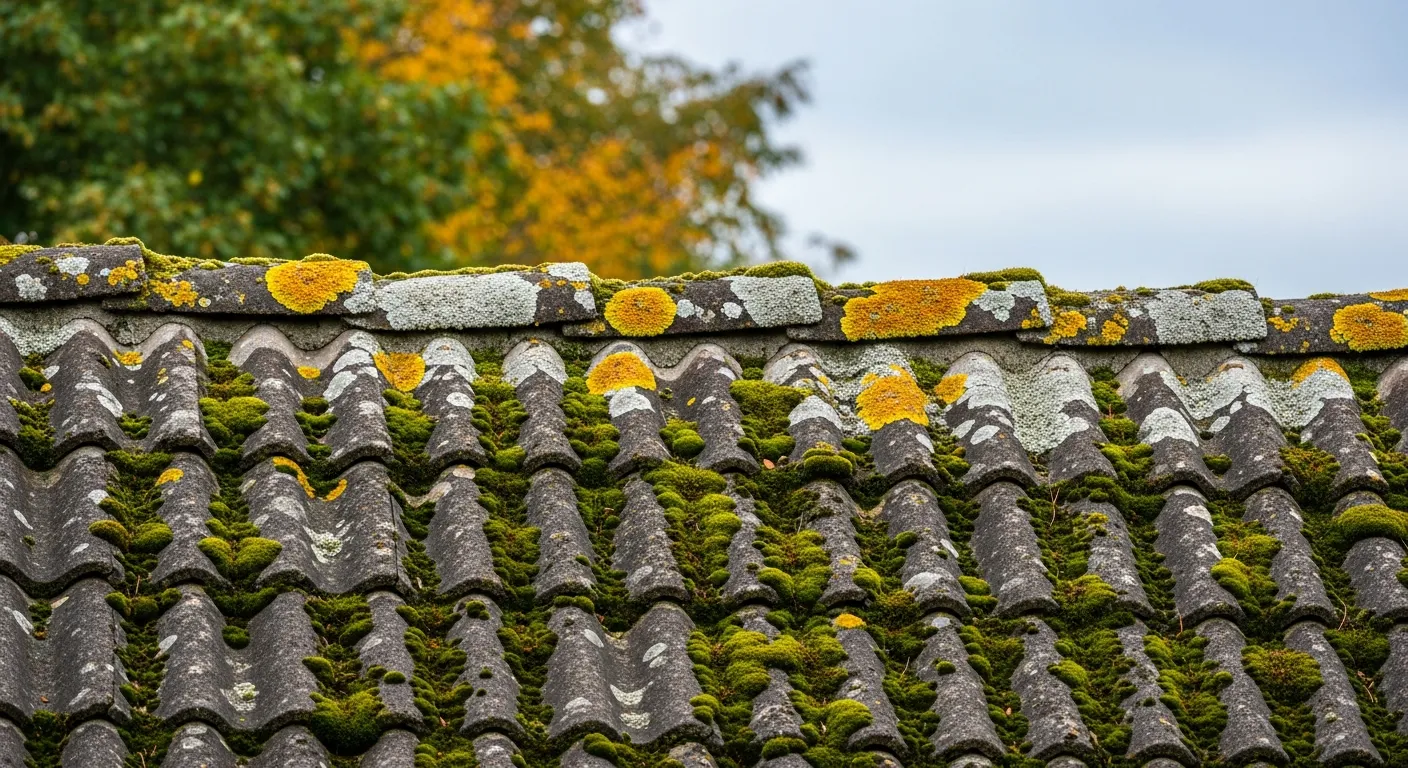
Excessive sun and wind break down roofing materials over the years. Shingles and underlayments also start to shed as they age. Not forgetting granules that come loose from asphalt shingles and older wood that release flakes when they crack. All of these make their way into the attic and, finally, into the air your family breathes.
Low-standard roofing materials can also release dangerous volatile compounds when they become exposed to heat or sunlight. This can reduce indoor air quality, particularly if the home’s ventilation system cannot push dirty air out of the home. Possible outcomes include worsening allergies and indoor surfaces that are harder to clean.
Regular roof inspection helps notice damaged materials or parts before they begin affecting the indoor environment. Hiring professional teams that offer residential roofing Minneapolis also ensures your home gets high-quality materials and maintenance services that prioritize family health.
Hidden Moisture Can Promote Bacterial and Fungal Growth
Moisture can hide in your home for months without any outward sign. For instance, the EPA specifically points out materials above ceiling tiles, wall cavities, and insulation as the common hiding spots for moisture. That is because no one is inspecting these locations until something goes wrong. Once moisture accumulates, it provides a good environment that promotes bacteria and fungi.
These tiny organisms multiply and produce harmful compounds in the indoor air. This results in bad smells and breathing discomfort inside the house. The growth may also be happening in the background even without mold or stains showing up. This reduces the effectiveness of insulation and makes the heating and cooling unit work harder.
Finding hidden moisture due to roofing problems takes more than a quick walk around the home. Using tools such as moisture readers and infrared cameras assists you in catching wet areas before the damage becomes structural. Checking the house after heavy rains or seasonal weather changes also reveals water problems before they affect the entire home.
Poor Roof Ventilation Can Trap Humidity
Warm and moist air rising from inside the house stays in the roof space if there is no good air circulation. That air condenses on the underside in winter, while heat and humidity increase with nowhere to go in the summer. A fully functional aeration unit allows that air to keep flowing instead of sitting inside the home.
Bathrooms and kitchens naturally produce moist air every day. That air makes humidity levels throughout the home rise if the whole house has poor ventilation. You may notice bad smells, soaked surfaces, and condensation on window panes. There is also an increased likelihood of mildew and structural decay occurring over time. This eventually reduces indoor comfort.
The US Department of Energy recommends minimizing chances of air and water entering the house as a way to improve ventilation and overall home performance. Using surface cleaning products and furnishings also prevents harmful airborne chemicals from being trapped in the home.
Endnote
Roofing issues influence more than the outside look of a home. Water leaks, lack of sufficient aeration, and older materials can lower the quality of air inside a home and create conditions that affect comfort and health. Routine checks let you identify and resolve these dangers before they become serious. Always keeping the property in a good state also protects the structure and maintains cleaner and healthier air for people living in it.