

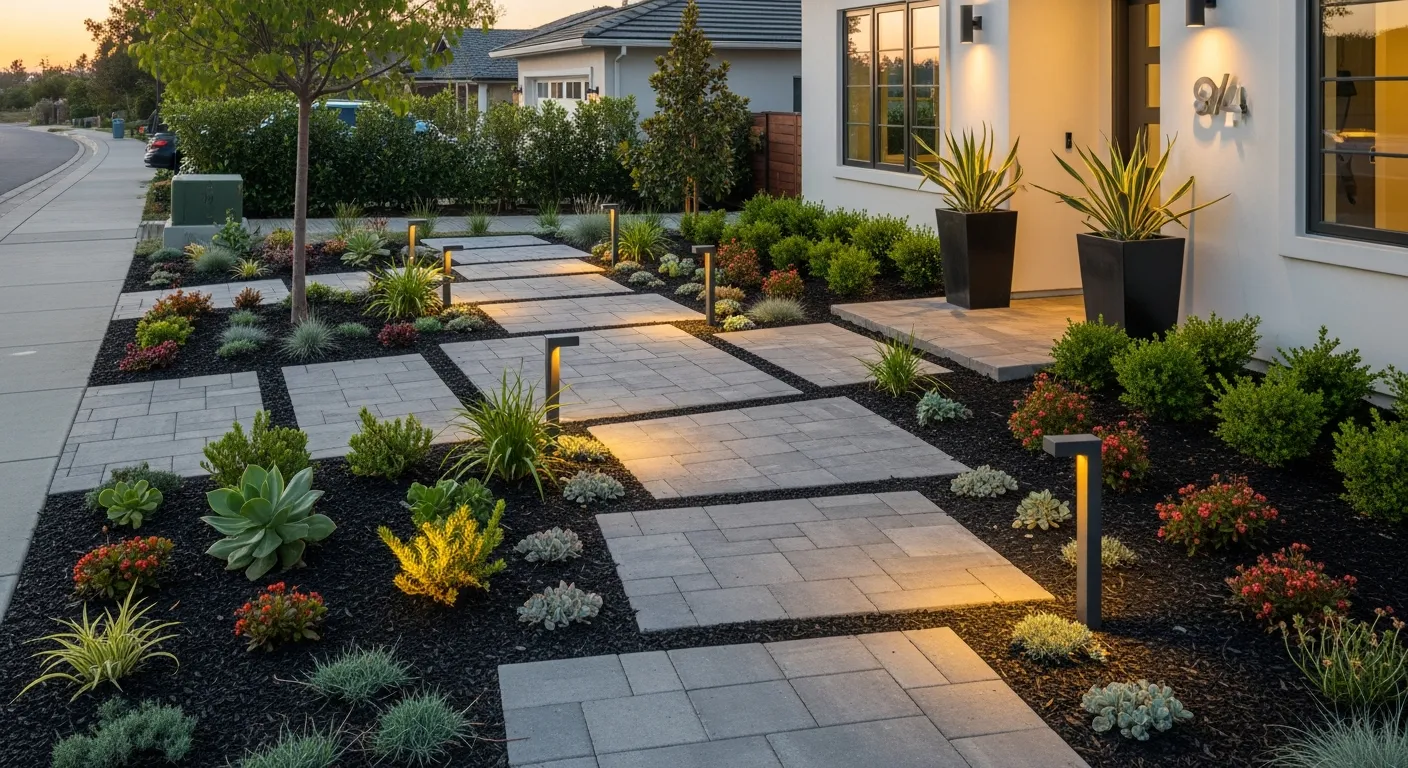
Have you ever driven past a home that looked inviting before you even noticed the house itself? That first impression rarely happens by accident. Smart landscaping has become one of the most practical ways to improve curb appeal while increasing property value, especially as homeowners pay closer attention to outdoor living and energy efficiency. Rising home improvement costs have also encouraged people to invest in upgrades that deliver lasting visual impact instead of short-lived trends.
Start With the Foundation Before Adding Features
Many homeowners rush to buy decorative items before fixing the basics, yet attractive landscaping begins with healthy grass, trimmed shrubs, clean edges, and well-defined planting beds. Fresh mulch, seasonal pruning, and removing overgrown plants instantly make a property appear cared for without requiring a major budget. A tidy landscape also helps visitors focus on architectural details instead of distractions.Even small maintenance habits make a noticeable difference over time. Filling bare patches in the lawn, removing weeds before they spread, cleaning fallen leaves from planting beds, and keeping hedges at a consistent height create a polished appearance. These simple tasks require minimal investment but establish a strong foundation for every future landscaping improvement you choose to make.
As more neighborhoods adopt quieter, cleaner maintenance practices, many homeowners have switched to battery powered lawn equipment because it reduces noise, requires less maintenance, and eliminates fuel storage. That simple change makes routine yard work easier while supporting the growing interest in environmentally conscious home care. The result is a landscape that stays consistently maintained instead of receiving attention only a few times each season.
Create Layers Instead of Filling Empty Space
Professional landscapes rarely rely on random plants scattered across a yard. They create depth by combining trees, shrubs, ornamental grasses, and flowering plants of different heights. Layering naturally guides the eye toward the home while making even modest properties feel more balanced.
Native plants deserve special attention because they usually require less water and adapt better to local weather conditions. Across much of the United States, changing rainfall patterns have pushed homeowners toward drought-tolerant landscapes that remain attractive despite hotter summers. Choosing plants suited to the local climate often lowers maintenance costs while keeping gardens healthier throughout the year.
Improve Walkways and Entry Points
The path leading to the front door deserves just as much attention as the lawn. Cracked concrete, uneven pavers, or faded edging can make an otherwise attractive property look neglected. Replacing damaged sections, pressure washing surfaces, and adding defined borders creates a cleaner appearance without rebuilding the entire walkway.
Lighting also transforms an entrance after sunset. Low-voltage pathway lights, subtle uplighting beneath trees, and well-placed porch fixtures improve both safety and appearance. Motion-activated lighting has become increasingly popular because it offers security while highlighting landscape features without excessive electricity use.
Use Color With Purpose Throughout the Seasons
Color has a powerful effect on curb appeal, but too much variety often creates visual clutter. Instead of planting dozens of unrelated flowers, choose a coordinated color palette that complements the home's exterior. Repeating similar colors throughout flower beds creates unity and gives the landscape a professionally designed appearance.
Planning for multiple seasons keeps the yard attractive all year. Spring bulbs, summer perennials, colorful autumn foliage, and evergreen shrubs provide continuous interest without requiring complete redesigns every few months. This approach stretches the landscaping budget while keeping the property visually appealing regardless of the calendar.
Add Functional Features That People Actually Use
Outdoor spaces have become increasingly valuable as families spend more time at home, entertain outdoors, and look for relaxing spaces away from constant screens. Instead of filling the yard with decorative pieces that collect dust, prioritize features with everyday value.
A comfortable seating area, a shaded pergola, raised garden beds, or a small fire pit creates usable outdoor living space while enhancing curb appeal. These additions encourage homeowners to spend more time outside, making landscaping feel like an extension of the home instead of a project viewed only from the street.
Make Water Work Smarter
Water management often receives little attention until heavy rain exposes problems. Poor drainage creates muddy patches, weakens plant roots, and can even affect a home's foundation over time. Installing proper grading, French drains, or rain gardens helps direct water away from vulnerable areas while protecting the landscape investment.
Efficient irrigation also makes a noticeable difference. Drip irrigation delivers water directly to plant roots, reducing evaporation and limiting weed growth. Smart irrigation controllers that adjust watering schedules based on weather forecasts have become increasingly common, helping homeowners conserve water while maintaining healthy landscapes during unpredictable climate conditions.
Choose Borders That Define Every Outdoor Space
Clean borders quietly shape the entire landscape, even when visitors do not consciously notice them. Well-installed edging between lawns, flower beds, gravel paths, and driveways creates crisp lines that make the yard look organized and professionally maintained. Materials such as natural stone, brick, steel, or recycled composite edging each offer a different style while preventing grass from spreading into planting areas.
Defined borders also make mowing easier, reduce trimming time, and help mulch stay in place after heavy rain. It is a simple upgrade that improves appearance immediately while making routine landscape maintenance more efficient throughout the year.
Keep Every Upgrade Easy to Maintain
The most attractive landscape is usually the one that homeowners can realistically maintain throughout the year. Elaborate gardens often lose their appeal when constant upkeep becomes overwhelming. Choosing slower-growing shrubs, installing weed barriers beneath mulch, and selecting durable ground covers reduces maintenance without sacrificing appearance.
Regular inspections also prevent small issues from becoming expensive repairs. Trimming branches away from roofs, cleaning gutters, checking irrigation systems, and refreshing mulch each year preserve both the landscape and the home itself. Consistency almost always produces better results than occasional large projects.
Smart landscaping succeeds because it combines beauty with practicality rather than treating them as separate goals. As homeowners continue searching for upgrades that improve property value without unnecessary expense, thoughtful outdoor improvements remain among the most rewarding investments. A healthy lawn, balanced planting, efficient lighting, functional gathering spaces, and sustainable maintenance practices work together to create lasting curb.


