

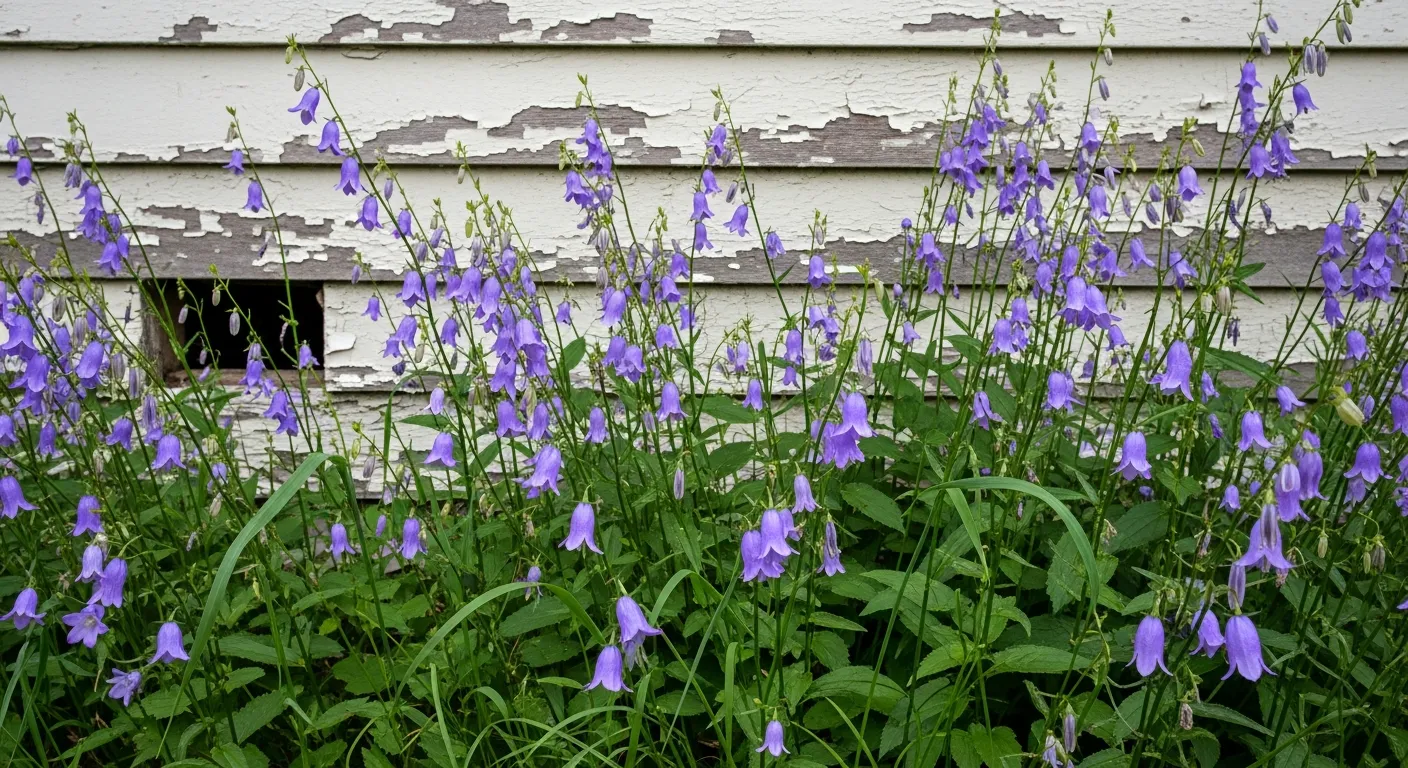
Purple-flowered weed is a common sight in yards, spreading across yards and leaving homeowners wondering whether it's a weed or a wildflower. Though these weeds add beauty to the landscapes, they make it challenging for homeowners to identify them correctly. Some species are invasive and spread rapidly, while others are native weeds that benefit wildlife by attracting pollinators to the yard. This blog covers a variety of purple flower weeds to help you identify them.
1. Wild Violet (Viola Sororia)
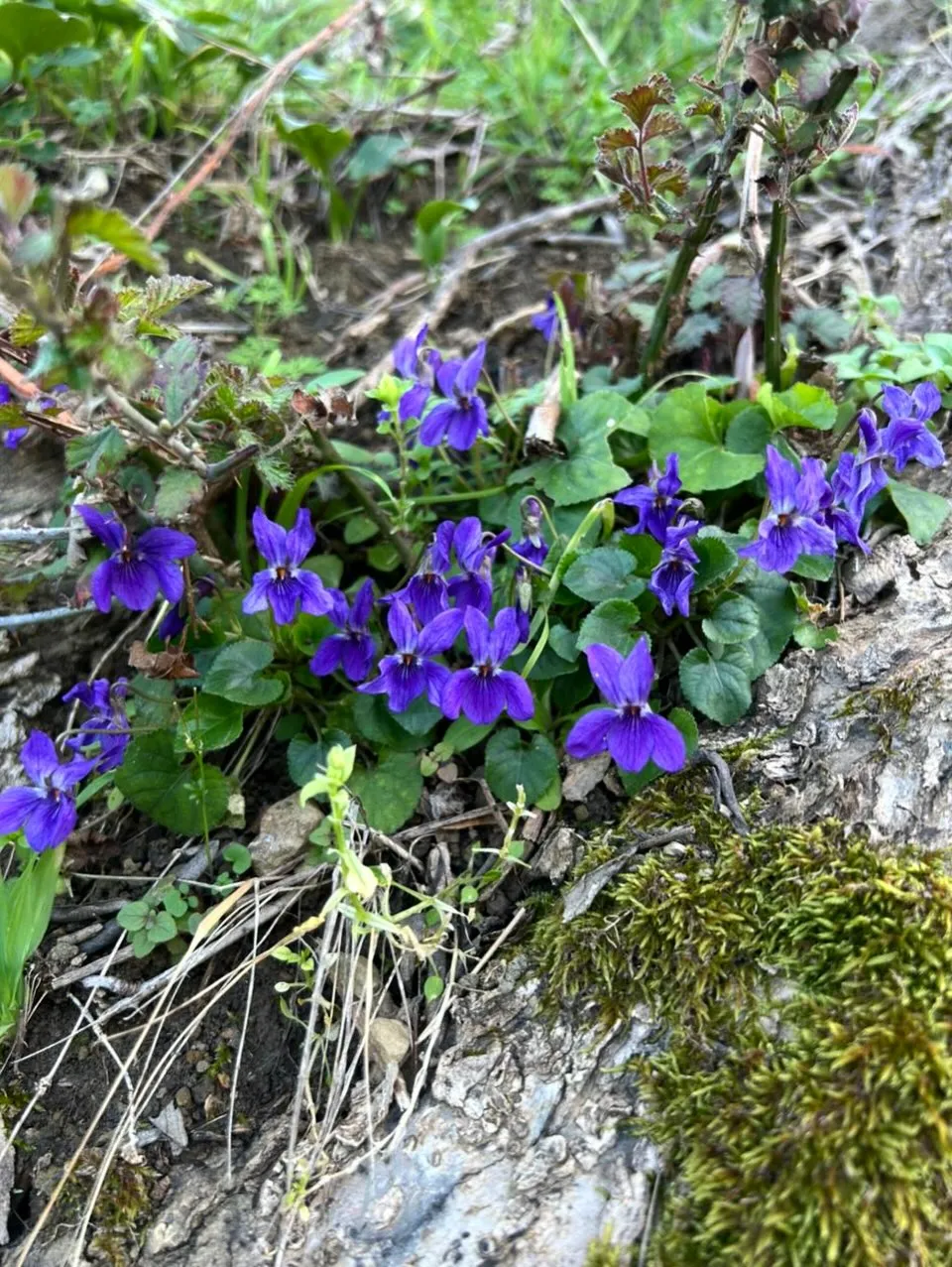
Wild violet grows in clumps that spread across the large patch over time. Wild violets add color to the yard. The plant's heart-shaped leaves give way to purple flowers.
Leaves and Flowers: Leaves are heart-shaped, and flowers are purple.
Growing Conditions: It prefers moist, shady areas, such as lawns and landscape beds.
Tips to Control Their Growth: Wild violets grow very fast; they can even grow from a small piece of root left in the soil. Therefore, loosen the soil to completely remove the root system.
The other way to get rid of wild violets from the ground is proper fertilization, regular mowing, and selecting grass compatible with the light and moisture conditions.
2. Ground Ivy (Glechoma Hederacea)
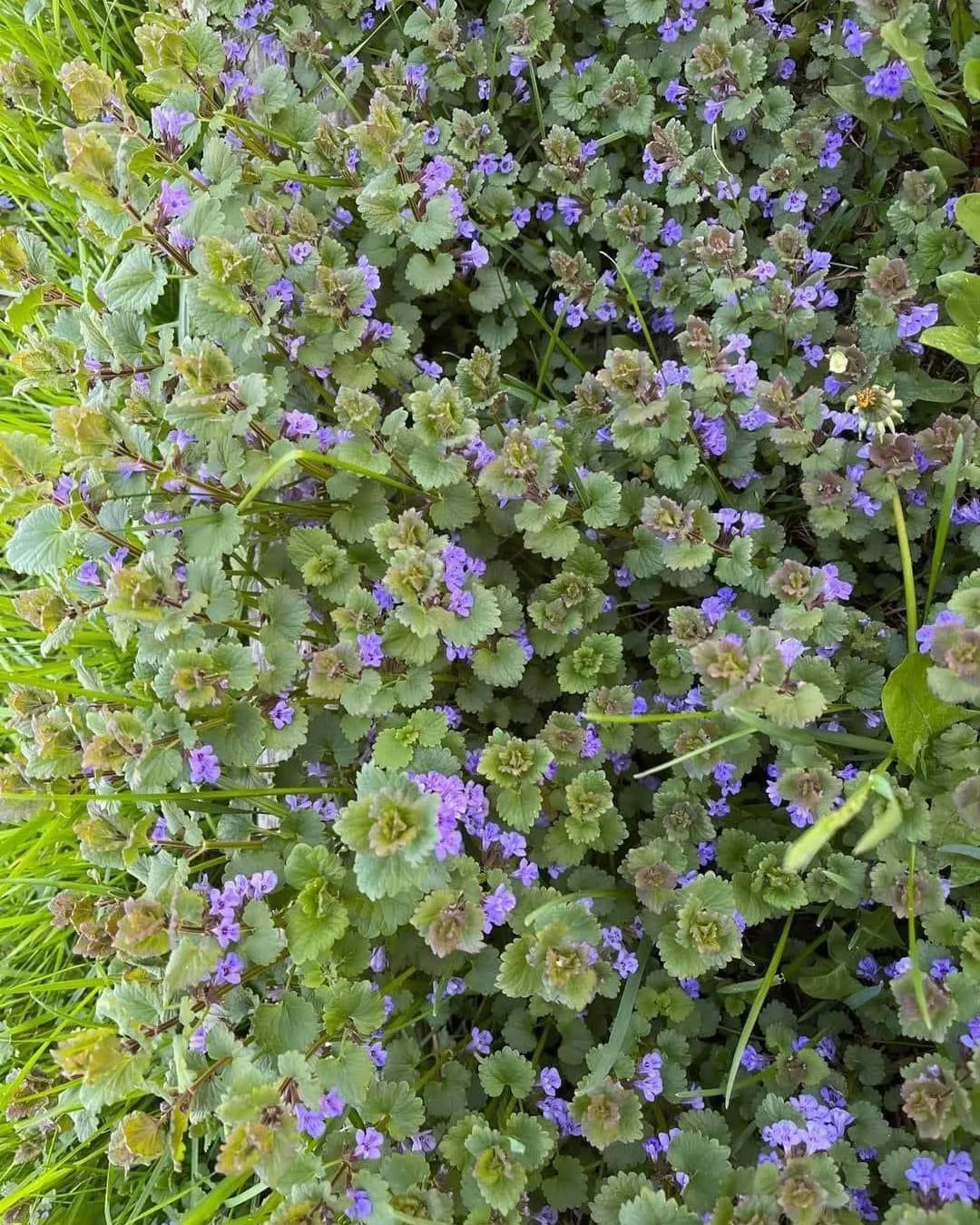
It is a perennial weed with long and slender stems. It has a unique growing pattern- they send stems above the ground, and as soon as these stems touch the soil, they form roots. As a result, the plant creeps outward.
Leaves and Flowers: Leaves are kidney-shaped, and flowers are purple colored.
Growing Conditions: Though it thrives in moist, shady areas, it can grow in full sun.
Tips to Control Their Growth: Hand-pull the roots, especially after rain, when the soil is loose. Check the area for any leftover root pieces, because ground ivy can re-root with even a small piece left behind.
The long-term solution is to maintain a healthy, thick turf, water deeply, avoid heavy traffic, which can lead to thinning, and mow at the right height.
3. Purple Deadnettle (Lamium Purpureum)
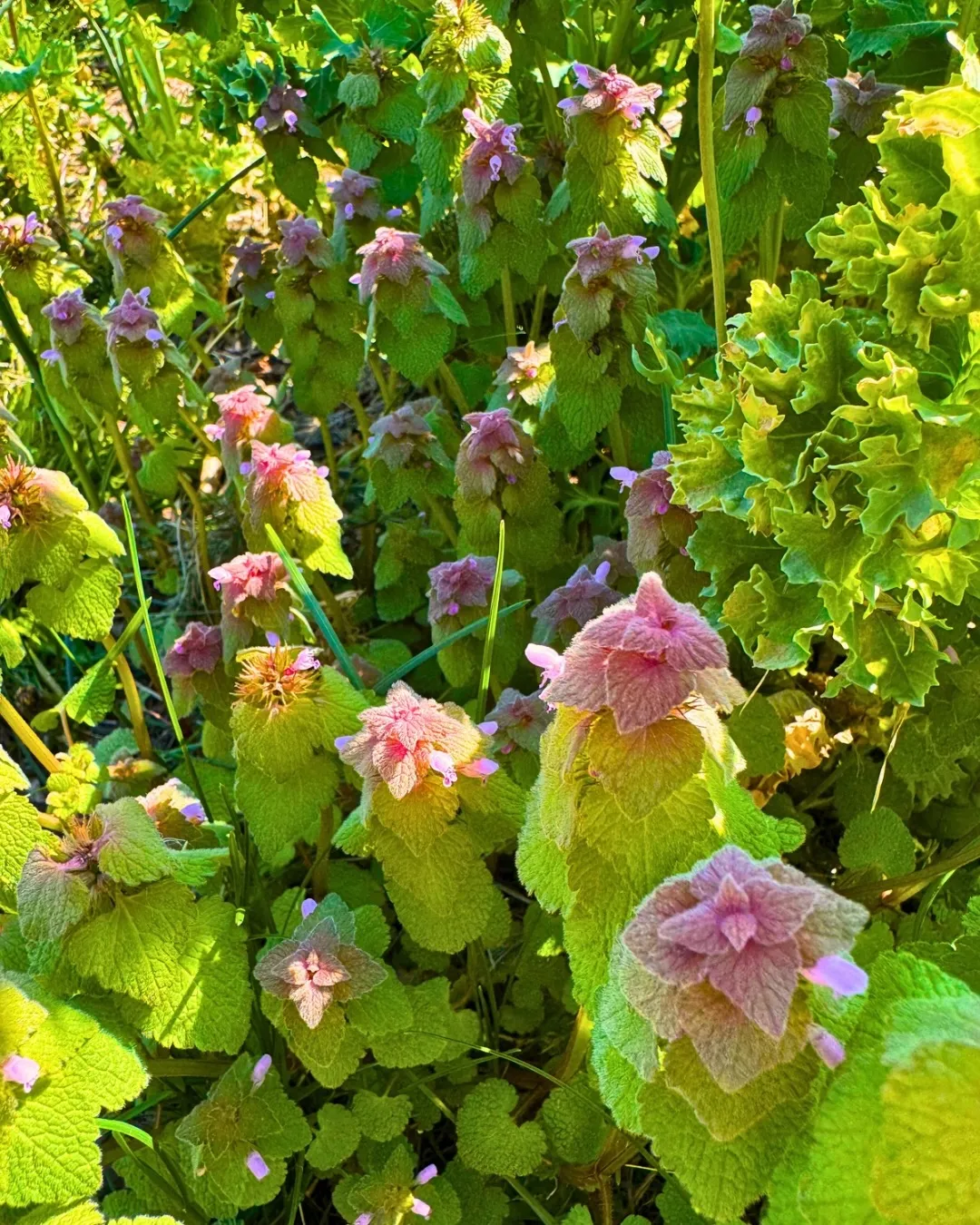
It’s a low-growing plant with square stems that reaches 12-15 cm tall. It produces innumerable seeds that lead to rapid growth.
Leaves and Flowers: Leaves are heart-shaped with purple on the upper side of the leaf. Flowers are purplish-pink to purple flowers and appear in clusters in the upper leaf axils. The blooming period lasts from early spring to late fall.
Growing Conditions: It thrives in fertile, well-drained soils.
Tips to Control Their Growth: Pull plants manually as soon as you notice them, and maintain turf density with proper fertilization and grass mowing.
4. Henbit (Lamium Amplexicaule)
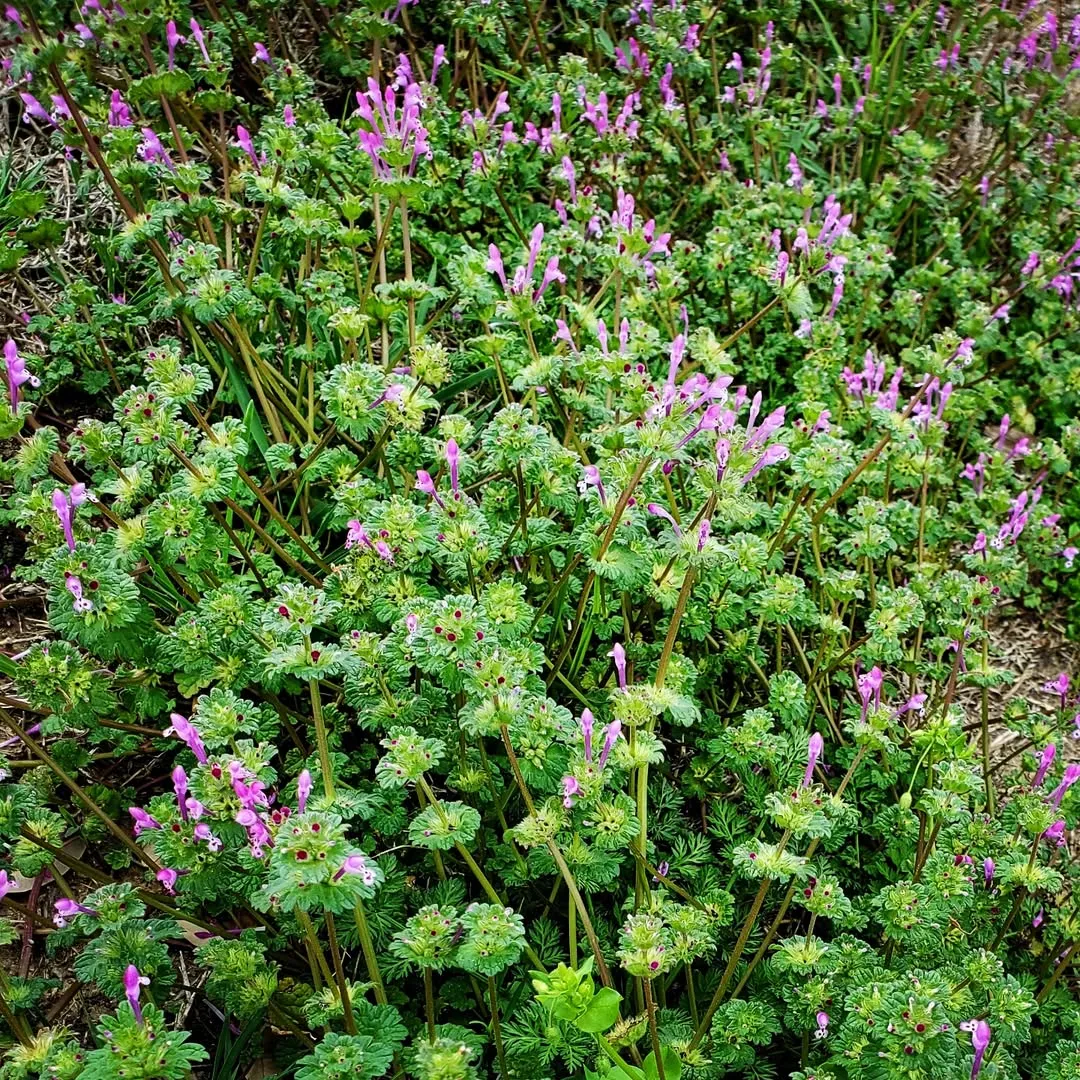
It is a winter annual that germinates in the fall. Just like purple deadnettle, henbit has square stems. Henbit produces abundant seeds, resulting in rapid spread.
Leaves and Flowers: Leaves are rounded, toothed leaves clasping the stem. It produces purplish-pink to purple flowers in whorls in the upper leaf axils in late winter and early spring.
Growing Conditions: It thrives in fertile, well-drained soil and can be seen in lawns and gardens.
Tips to Control Their Growth: To disrupt the seed life cycle, it’s advisable to apply pre-emergent herbicides when weeds are actively growing.
5. Creeping Bellflower (Campanula Rapunculoides)
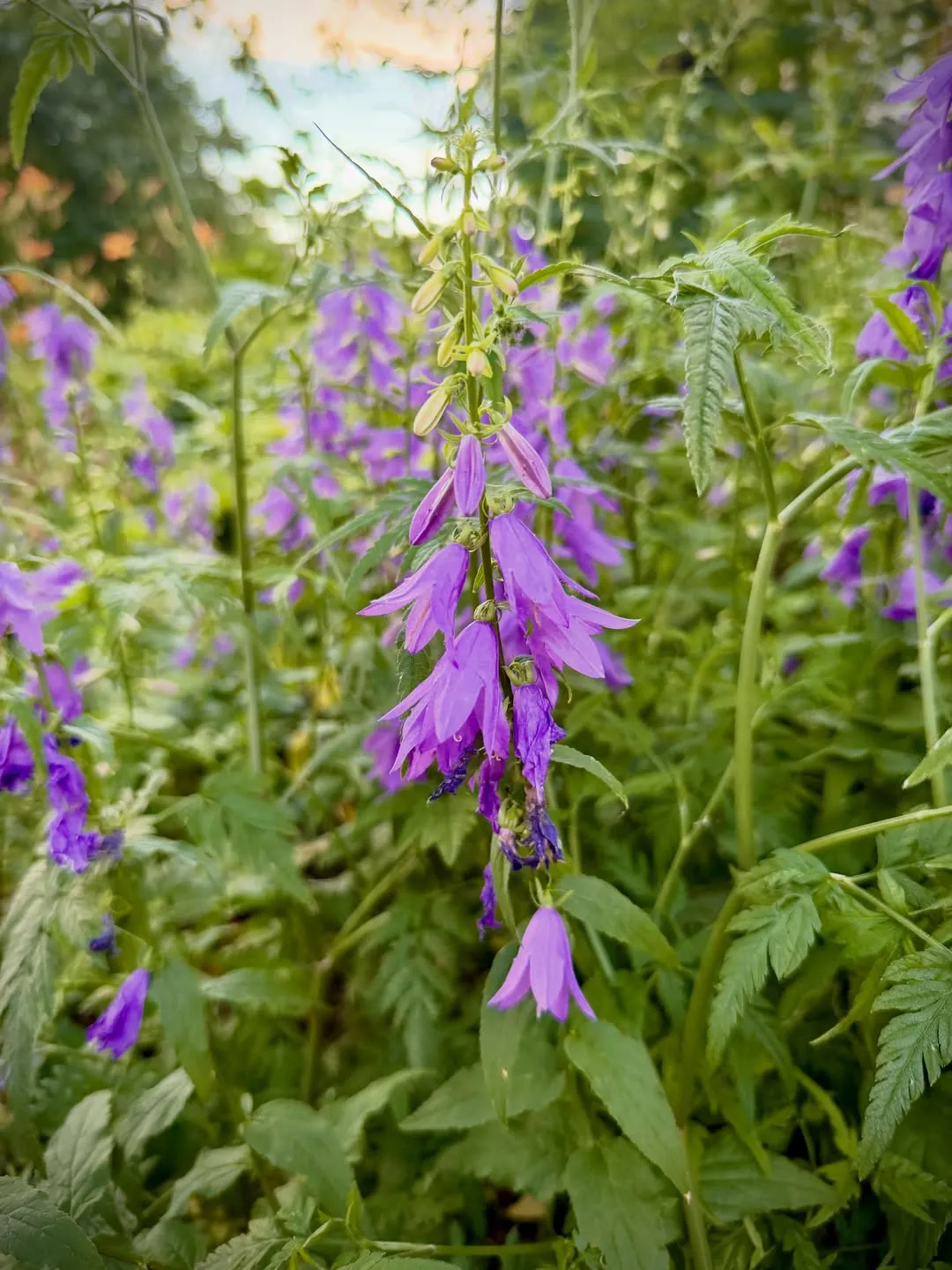
It’s a perennial weed that looks beautiful at first sight, but it turns into an ugly sight soon, owing to its invasive nature. It grows between 1 and 3 feet tall, depending on growing conditions.
Leaves and Flowers: Leaves are heart-shaped or lanceolate. Flowers have a distinct bell shape with five fused petals, and the color ranges from pale lavender to deep purple.
Growing Conditions: It prefers sunny or partially shaded areas and can adapt to a wide range of soil types. Creeping bellflower is often found in gardens, lawns, disturbed areas, and along roadsides.
Tips to Control Their Growth: The most effective way is to manually pull out the plant and rhizomes to prevent re-growth.
6. Bugleweed (Ajuga Reptans)
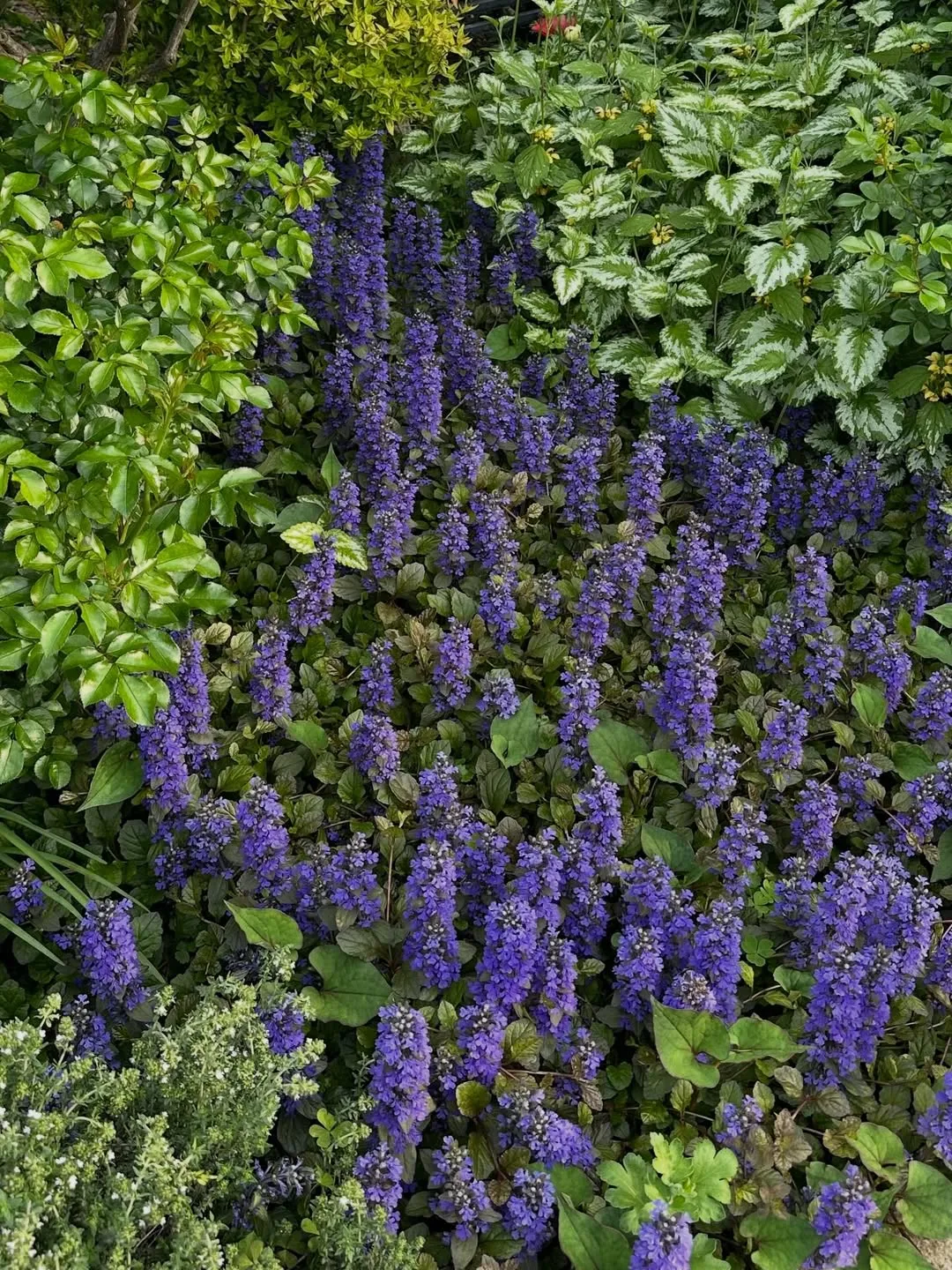
It’s an invasive perennial widely known as a ground cover, often planted in shady areas. As it forms a dense mat of around 9 inches tall, it takes over the garden in no time. The warmer climate brings bigger problems, as bugleweed doesn’t die back in winter.
Leaves and Flowers: Its leaves are shiny, dark green, and its flowers are blue, violet, or purple.
Growing Conditions: It grows in mid to late spring.
Tips to Control Their Growth: Bugleweed can be manually removed or treated with an herbicide.
7. Bittersweet Nightshade (Solanum Dulcamara)
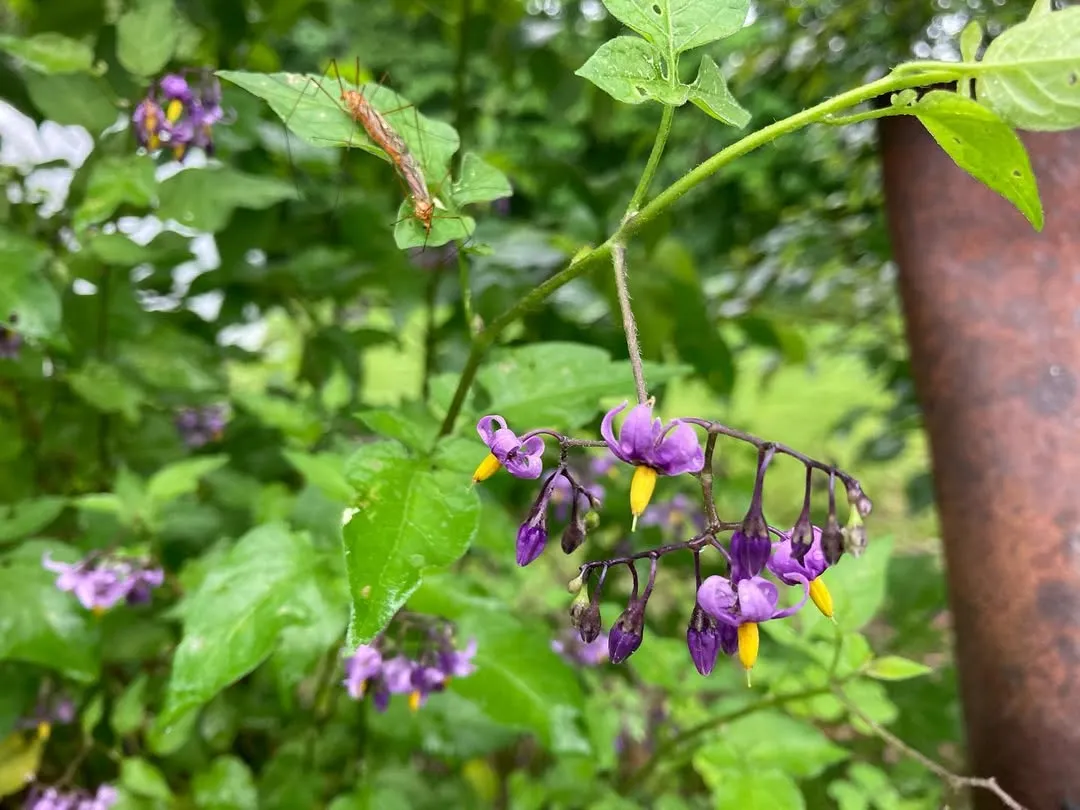
It is a perennial vine that grows up to 8 feet tall. As soon as it gets support, it climbs, which is why it can often be seen climbing a chain-link fence. It blooms all through the summer.
Leaves and Flowers: Leaves are dark green and have the shape and features of plants in the nightshade family. Flowers are clustered along the plant's branches.
Tips to Control Their Growth: Weeding and manual pulling are the right options for small infestations; for larger infestations or when manual pulling is not possible, use herbicide.
| Some Tips |
If you have kids and pets, be mindful because purple flowers turn into poisonous fruit. If ingested, these flowers can be dangerous. |
8. Purple Loosestrife (Lythrum Salicaria)
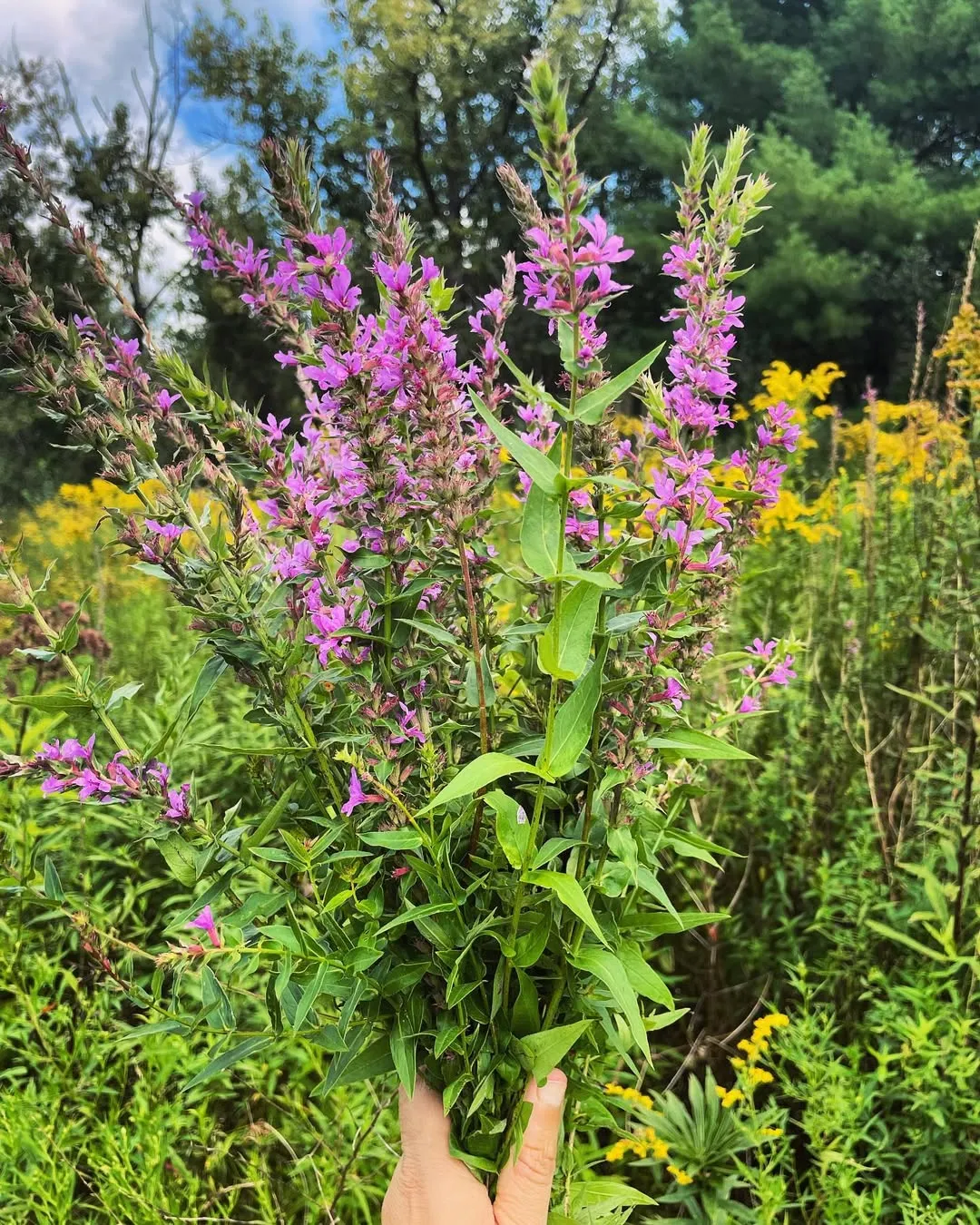
It is another invasive species of perennial that can grow up to 5 feet tall.
Leaves and Flowers: It produces spikes of purple flowers.
Growing Conditions: It thrives in moist to wet soil, and that’s why it can be seen in low spots, ditches, wetlands, and areas with standing or slow-moving water.
Tips to Control Their Growth: For small patches, hand-pulling works, but remove the root system properly. If plants are flowering, first cut the flower spikes to prevent seeds from spreading, then remove the plants.
9. Canada Thistle (Cirsium Arvense)
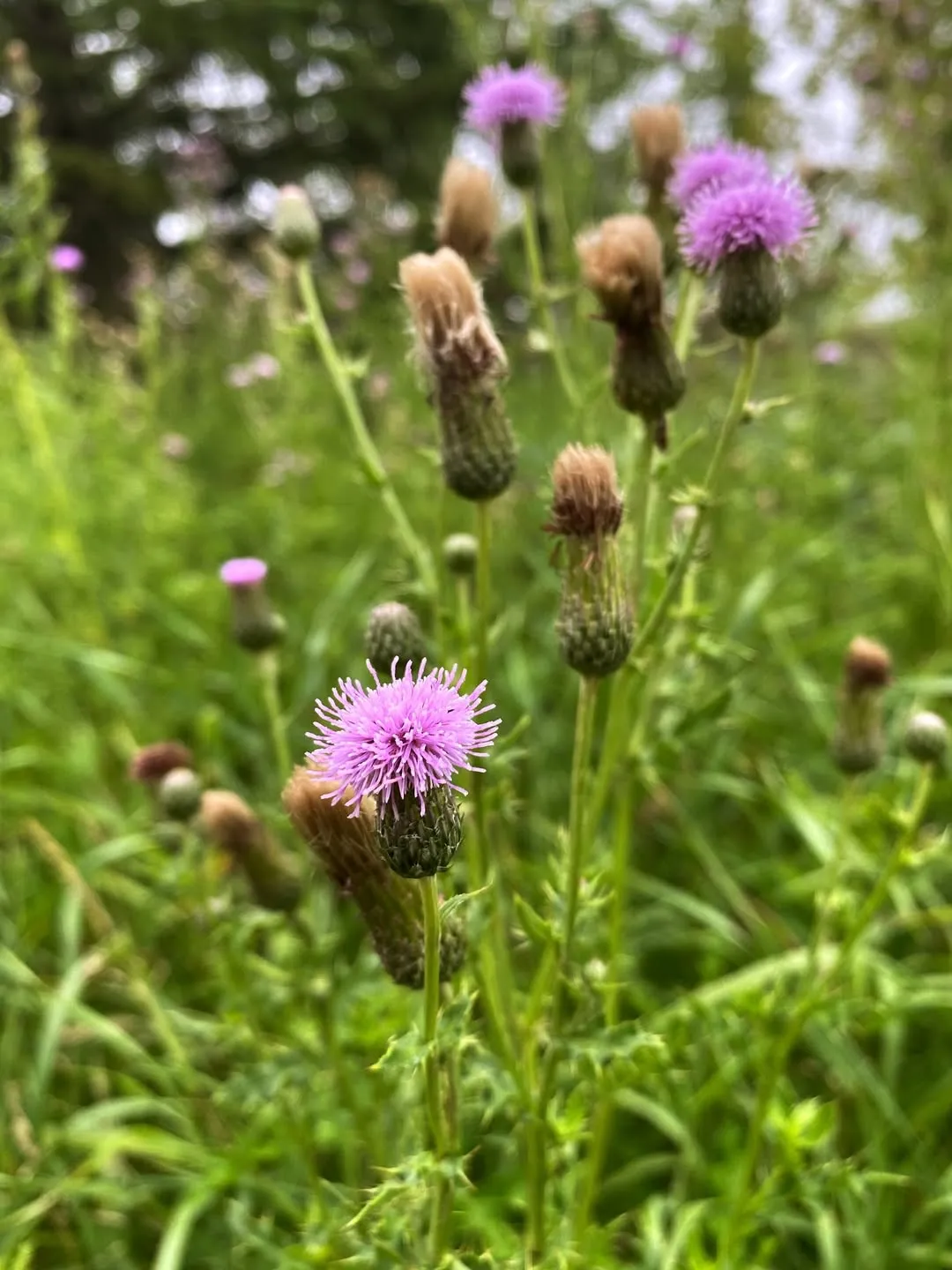
It’s a perennial that grows to 3-5 feet tall at maturity. It can spread by seed.
Leaves and Flowers: Leaves are toothed, and flowers are purple colored that bloom in summers.
Growing Conditions: It can grow in sunny as well as partly shaded areas. It can grow in any soil type, especially in disturbed ground.
Tips to Control Their Growth: Though manual pulling and digging help control growth, these methods alone won’t be enough. This is because plants can grow even from small root pieces left behind. The most effective way is to repeatedly remove and pinch flowers before they drop seeds. All these can help control growth on small patches. However, for larger infestations, opt for herbicides.
10. Selfheal (Prunella Vulgaris)
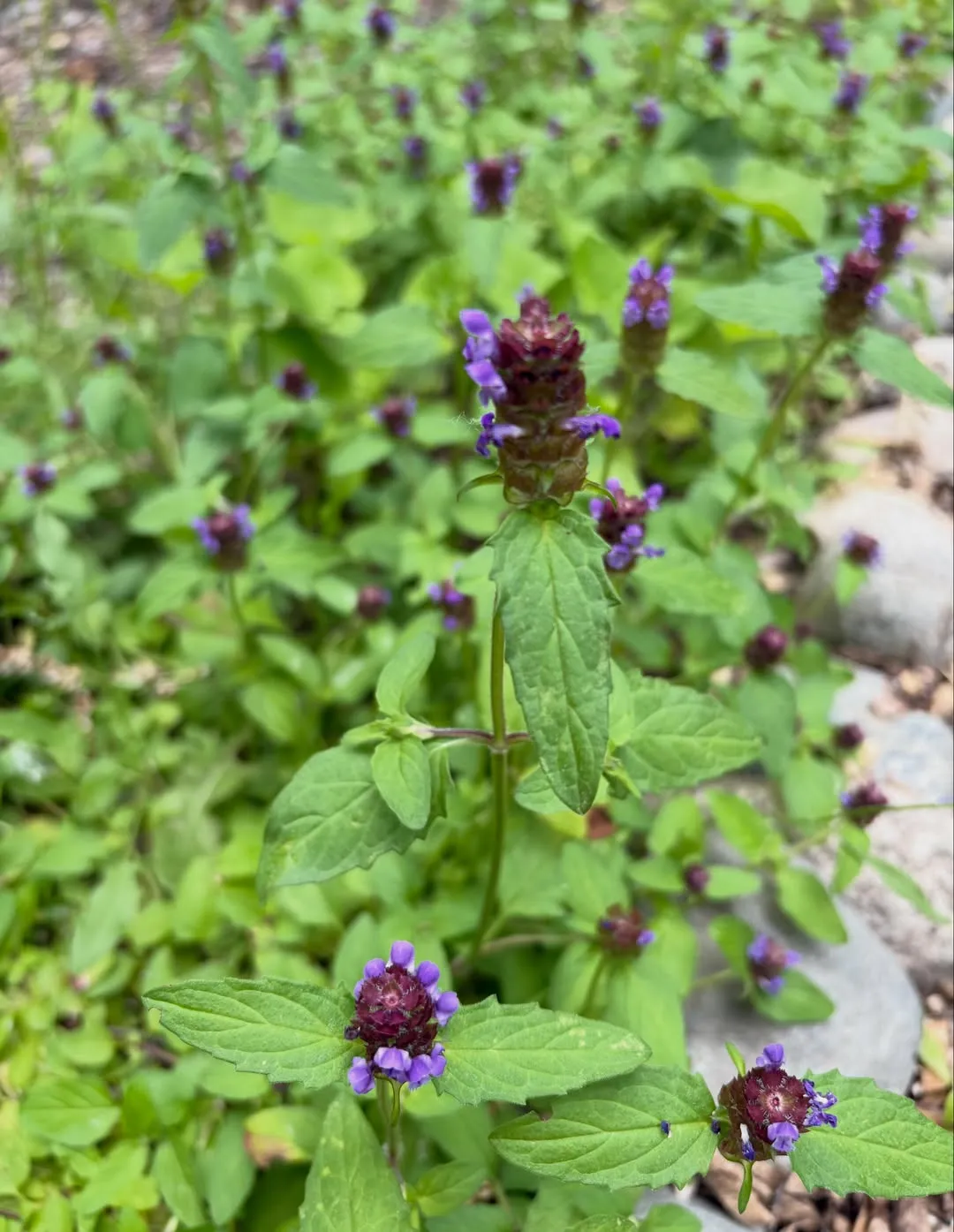
As the name suggests, selfheal, a low-growing herbaceous perennial, was used as a traditional medicine due to its healing properties. It forms a dense ground mat and grows between 6-123 inches. It is a versatile plant that thrives in lawns, meadows, and disturbed areas.
Leaves and Flowers: Leaves are lance-shaped with serrated edges and hairy with slightly toothed margins. Flowers are purplish-lavender and dense, and have cylindrical spikes. It blooms from late spring to early summer.
Growing Conditions: It can grow in a wide range of soil types and moisture conditions.
Tips to Control Their Growth: Follow a conventional mowing, watering, and fertilization schedule. The other option is manual removal of the plants for a small infestation. Make sure the roots are removed as much as possible to prevent regrowth. However, for larger infestations, apply herbicides.
11. Slender Speedwell (Veronica Filiformis)
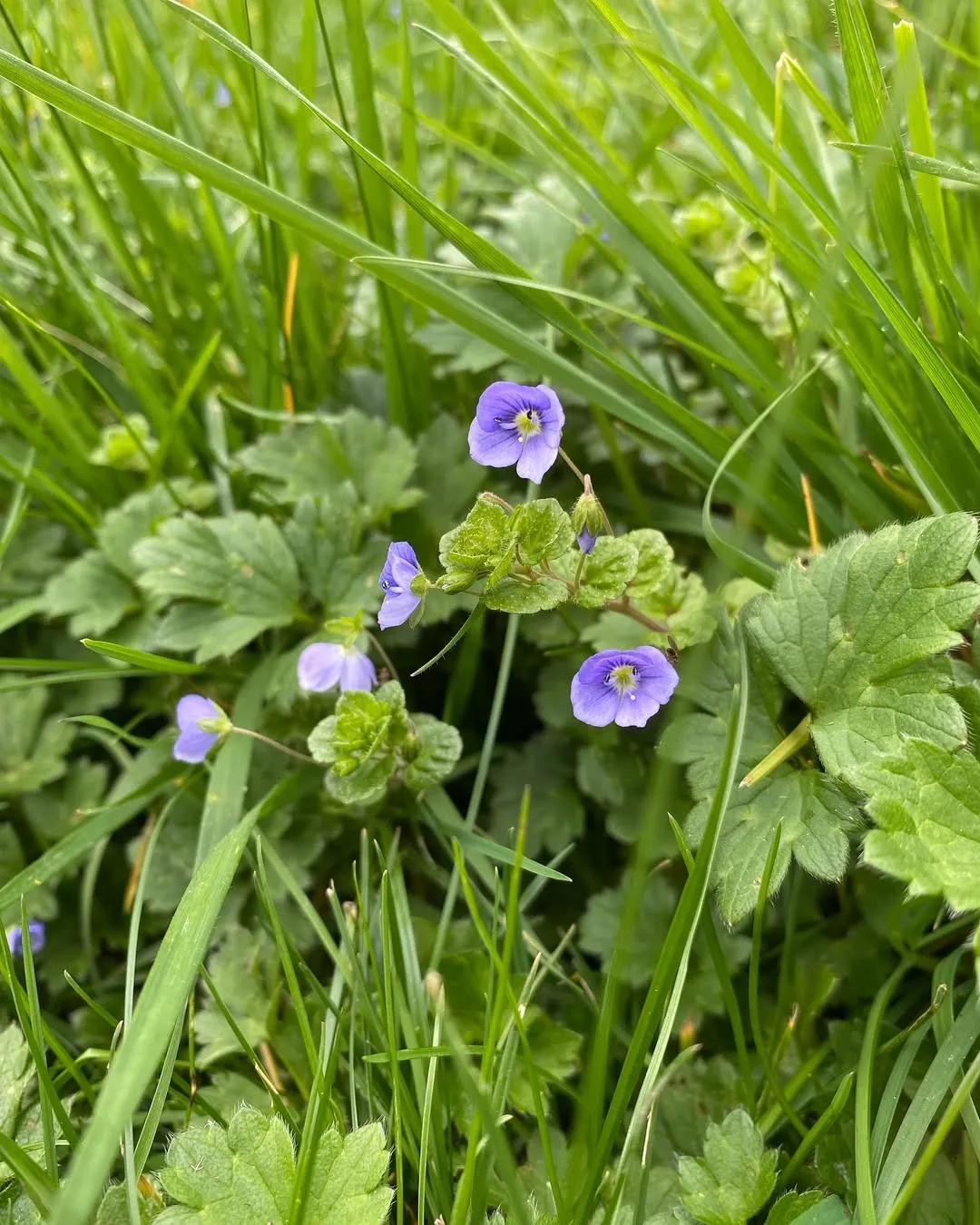
It’s a low-growing, herbaceous annual weed, identified by its slender stems, which range from a few inches to about a foot and are covered in fine hairs.
Leaves and Flowers: Leaves are opposite, oval to lance-shaped with serrated margins. Flowers are small and tubular, pale blue to violet, with four petals, and bloom in spring and early summer.
Growing Conditions: It thrives in various soil types and is often found in lawns, gardens, and disturbed areas. It can grow in sunny as well as partially shaded areas. It spreads through seeds and forms a dense cover.
Tips to Control Their Growth: When mowing the lawn, remove the grass clippings to prevent regrowth.
12. Common Burdock (Arctium Minus)
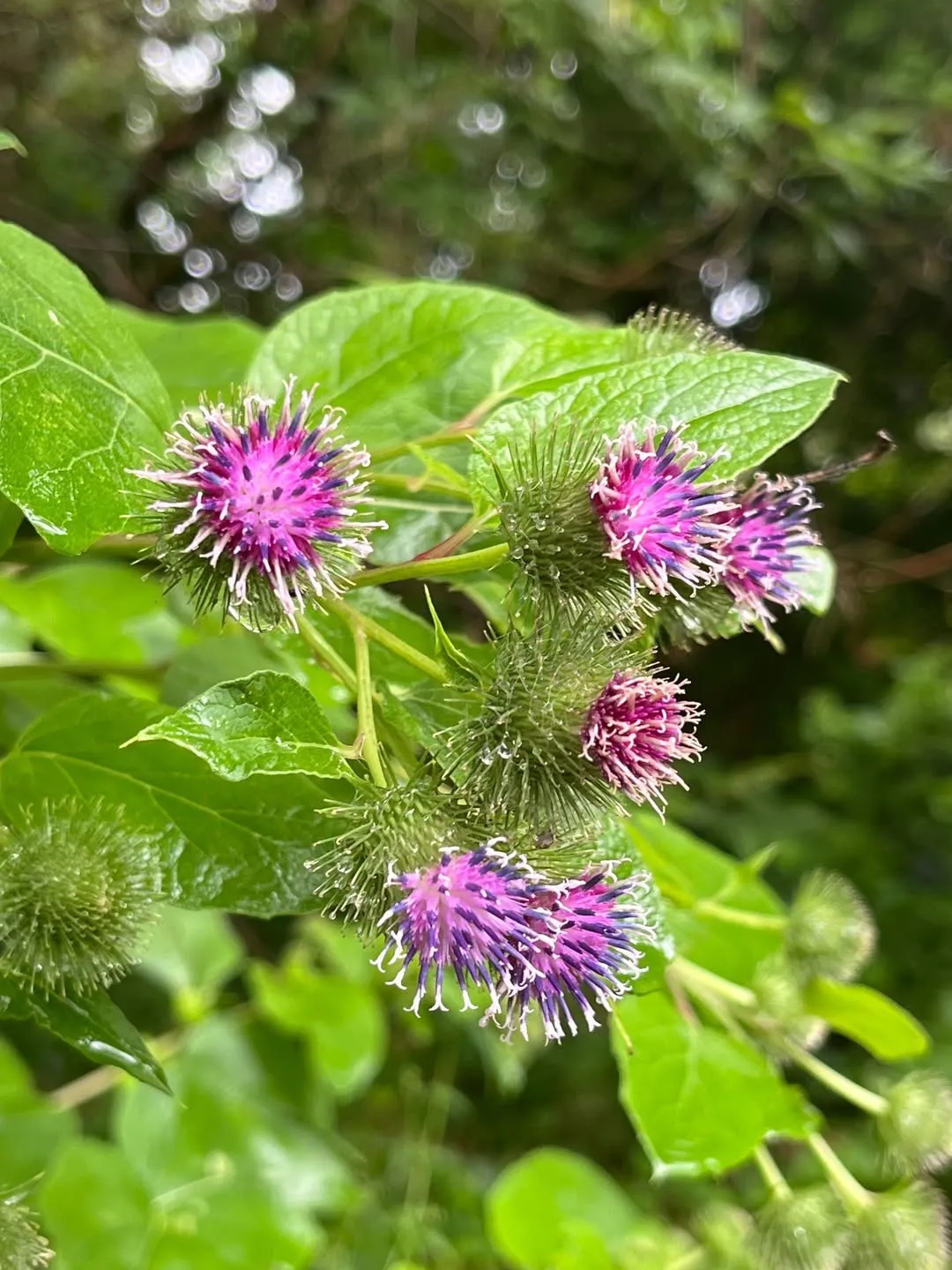
It is a biennial plant widespread across North America.
Leaves and Flowers: Leaves form a dense cover in the first year and grow between 3-6 foot branched stalks in the second year. It also produces purple, thistle-like flowers in the second year, which turn into prickly burs that disperse around 15,000 seeds from each plant.
Growing Conditions: It grows in grassy areas and disturbed soil, including roadsides and construction sites.
Tips to Control Their Growth: Herbicide is recommended to prevent their growth due to their long taproots. For large infestations, repeated mowing is strongly recommended before applying herbicides to weaken the plants.
13. Purple Vetch (Vicia Benghalensis)
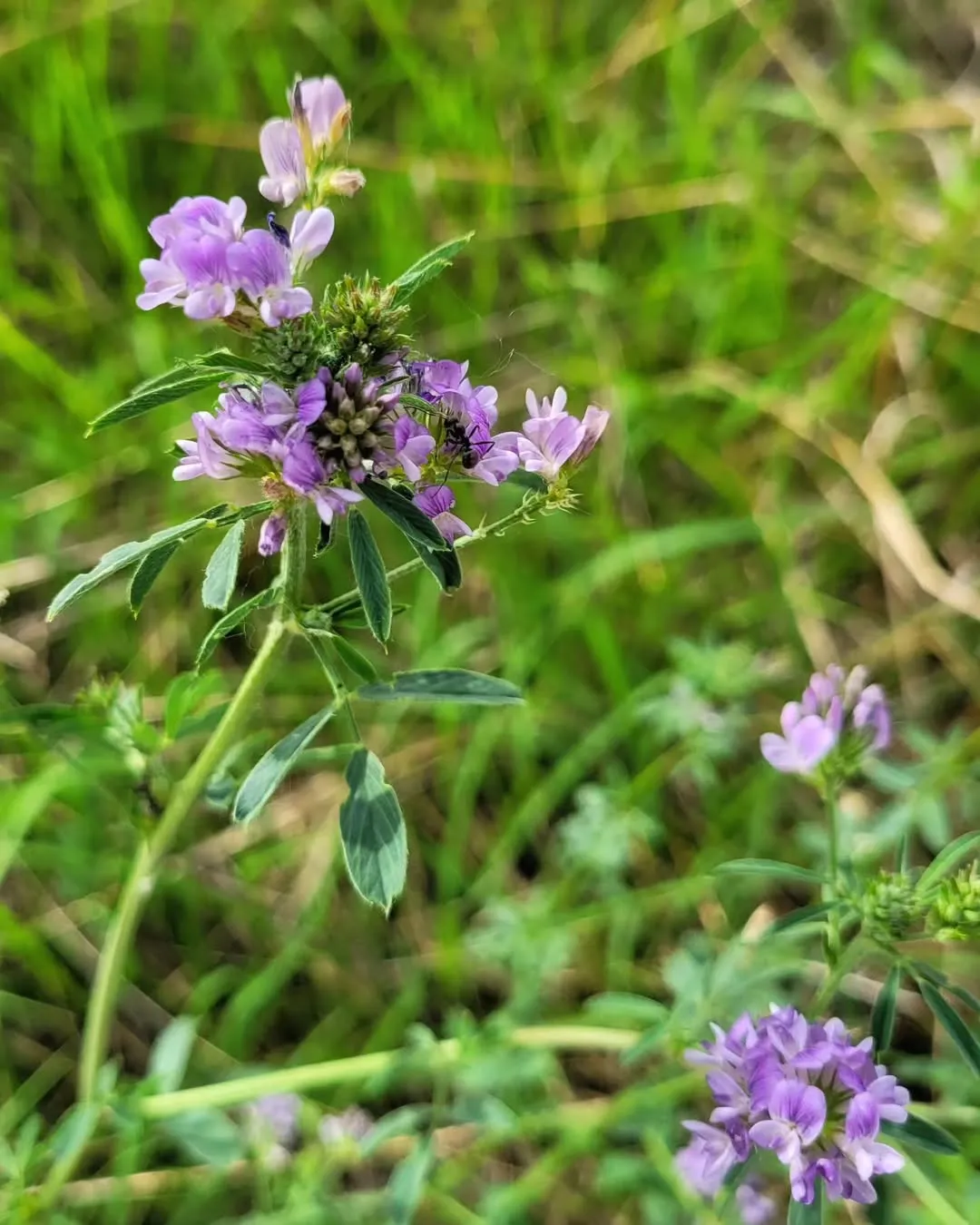
This flowering plant is often grown as a cover crop to improve soil quality, but due to its invasive nature, it is considered a weed in lawns and gardens.
Leaves and Flowers: Leaves are lance-shaped leaflets arranged oppositely on the stems. The plants produce purple to violet-colored flowers in clusters with a unique pea-shaped appearance.
Growing Conditions: It grows well in well-drained soil. It is known to correct soil nitrogen levels.
Tips to Control Their Growth: Mulching is an effective method, or selective herbicides can also help control their growth.
14. Comfrey (Symphytum Officinale)
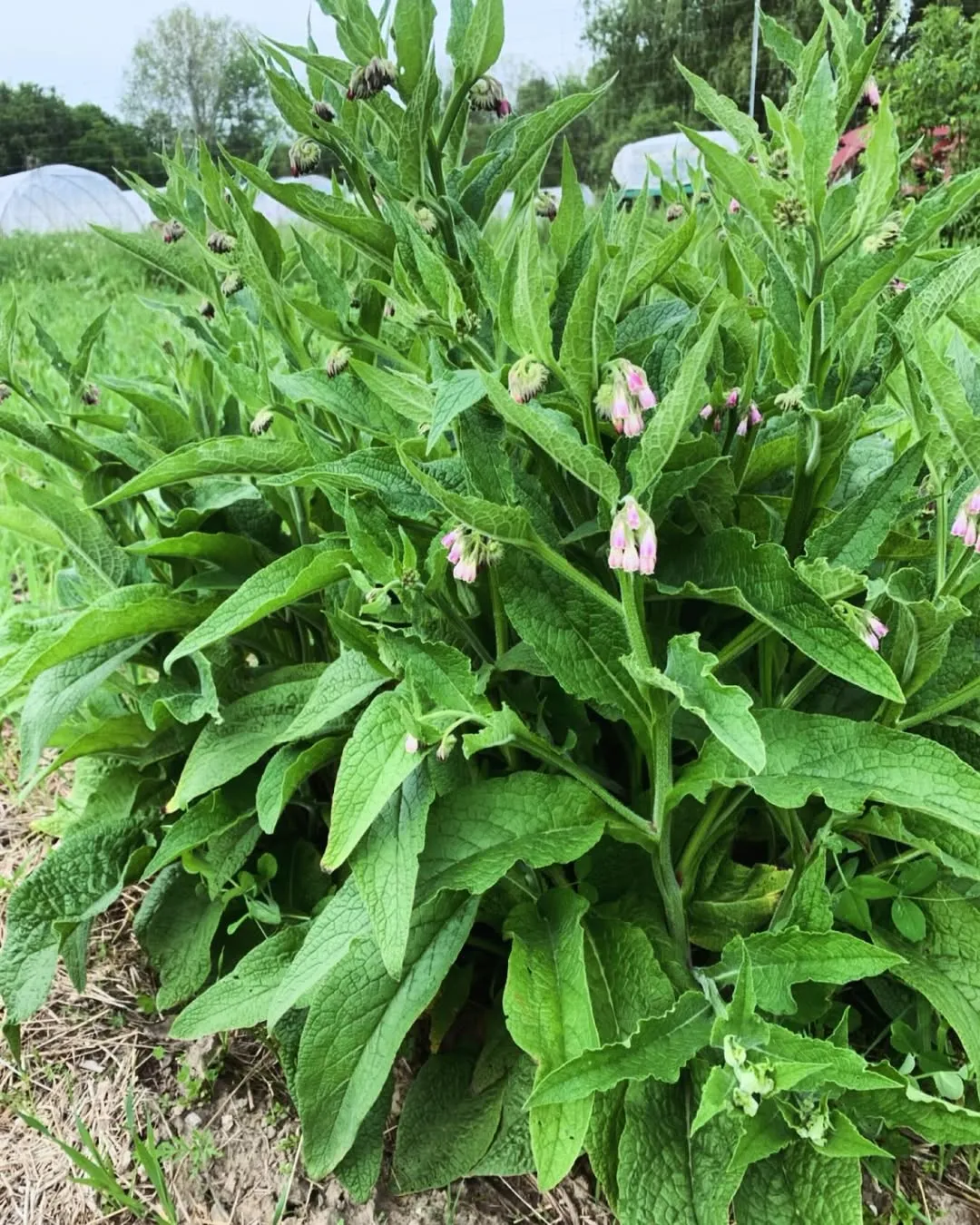
It is an invasive plant, but it has medicinal significance. It was used for culinary and medicinal purposes. It grows between 1-3 feet tall.
Leaves and Flowers: Leaves are oval-shaped, and flowers are purple, which bloom in summers.
Growing Conditions: It can grow in disturbed soil and can thrive in full sun.
Tips to Control Their Growth: Pull the plants manually before they are fully established. If the plant has already grown, dig it up and carefully remove the roots. Ensure that no root pieces are left behind, as the plant will regrow from them.
15. Dove ’s-Foot Geranium (Geranium Molle)
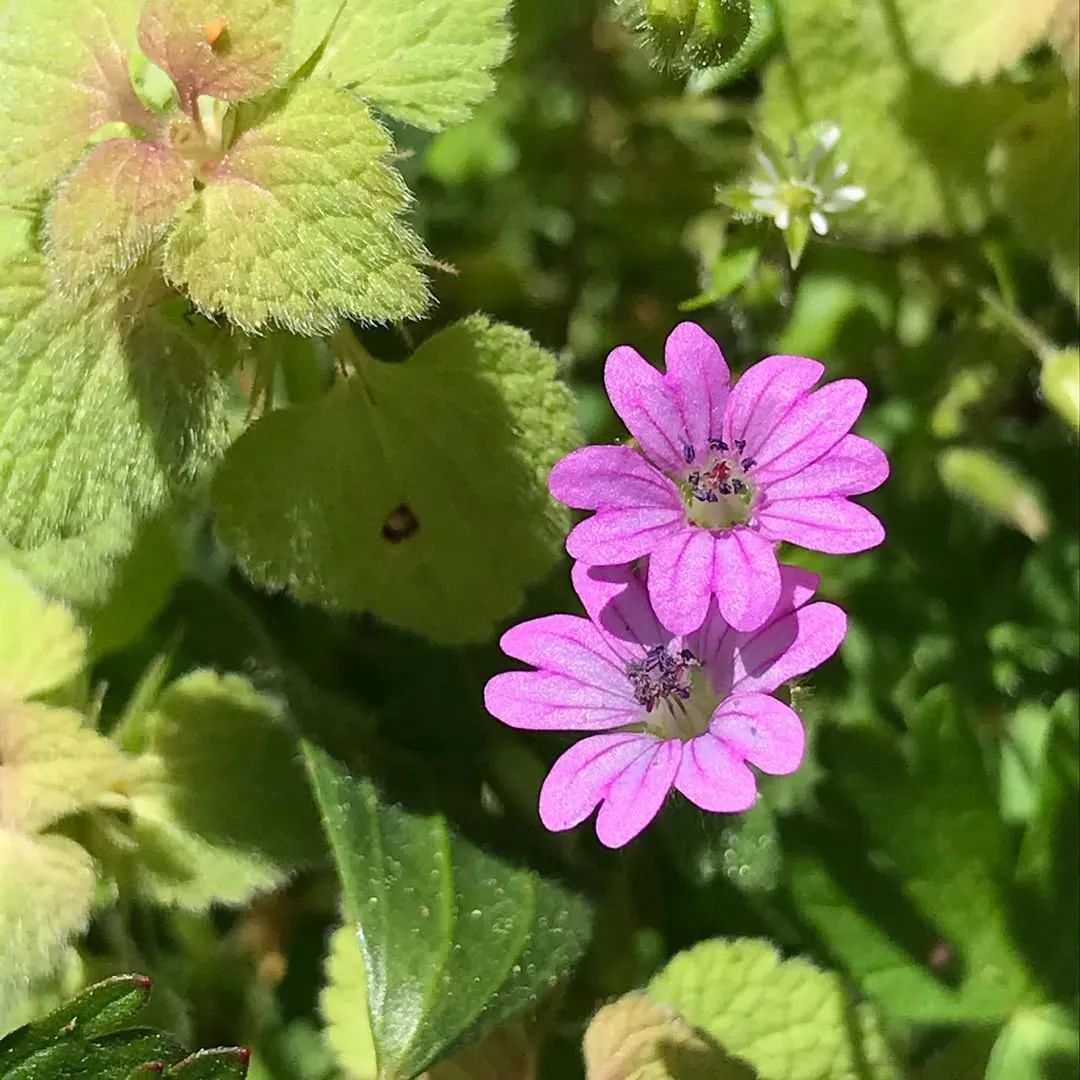
Dove’s foot geranium looks so beautiful that people often presume that it's an intentionally planted weed. This weed has ruled out the myth that a weed can’t be beautiful. However, their growth should be curbed.
Leaves and Flowers: Leaves are round, and the surface is covered with soft, spreading hairs, consisting of around 5 to 7 leaf points . Flowers look pinkish purple, and each petal is lobed.
Growing Conditions: It grows in dry, arid conditions.
Tips to Control Their Growth: For less intense infestation, manual pulling of the plant works. The best way to control their growth is to maintain a moist, nutrient-rich lawn, as they grow only in arid, dry conditions.
Conclusion
Purple flower weeds are often confused with wildflowers, but with a few indicators, it is identified correctly. There are a variety of such weeds, and each have their distinctive characteristics, including the growing conditions and the way they spread.


