Choosing between silk and real flowers for decorating a space involves several considerations, such as aesthetics, maintenance, cost, and environmental impact. Each option offers distinct advantages and drawbacks, influencing their suitability for different settings and preferences.
Deciding whether to opt for silk or real flowers can drastically affect the ambiance and upkeep of your space. Explore the nuances of each choice to determine which best aligns with your aesthetic goals and practical needs.
Choosing Between Silk and Real Flowers: Aesthetic and Practical Considerations
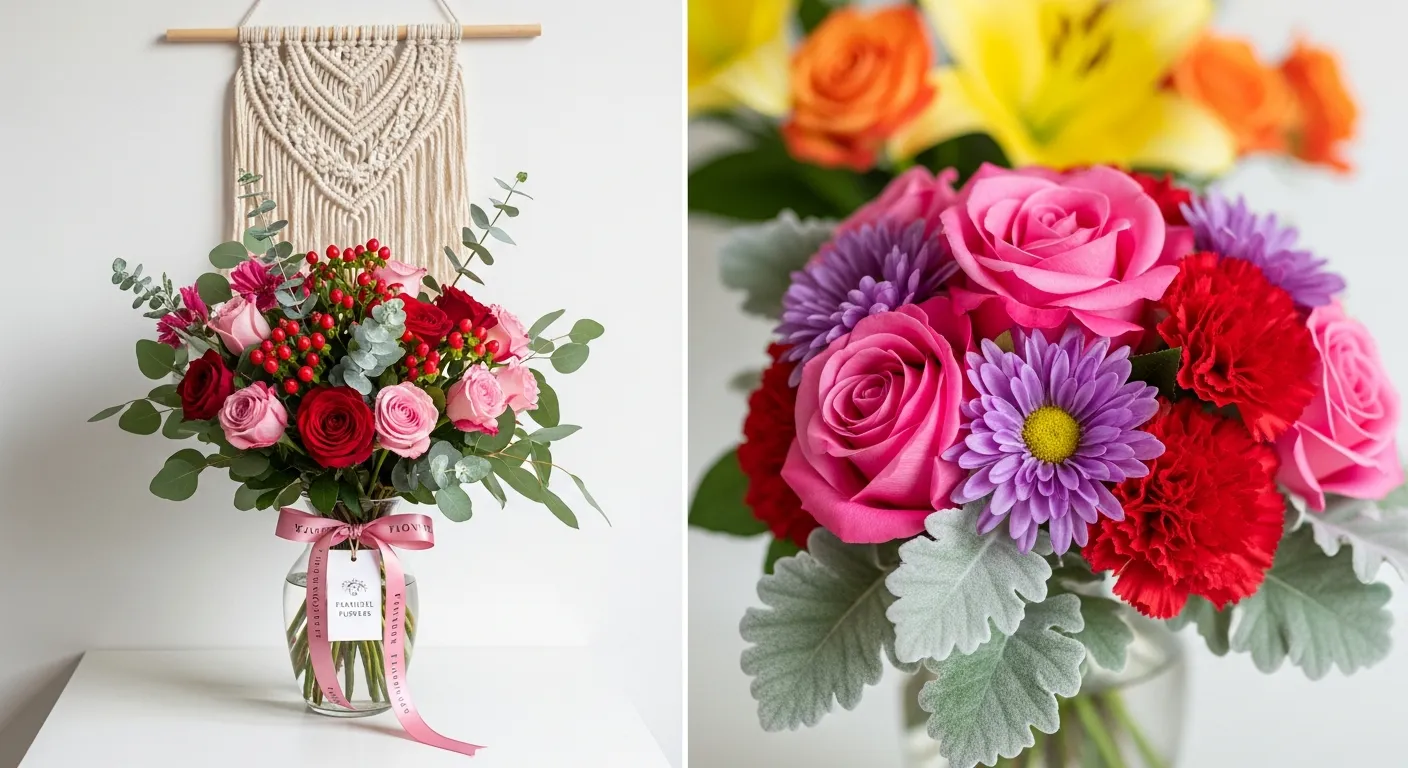
When choosing between silk and real flowers, aesthetics play a significant role. Real flowers offer unparalleled beauty and natural fragrance, creating a lively and inviting atmosphere. However, they require regular replacement to maintain their appeal, which can be impractical for some settings.
Silk flowers, on the other hand, remain vibrant and visually appealing without wilting or requiring water. This makes them especially suitable for environments where ongoing maintenance is a concern, such as offices or vacation homes. Although they lack the natural scent and subtle nuances of real flowers, advancements in manufacturing have greatly enhanced their realism.
Consider your lifestyle and the intended space's conditions. For instance, silk flowers might be the superior choice for high traffic areas or places with little natural light, where maintaining real flowers could prove challenging. silk flowers
Durability and Maintenance: Comparing Silk and Real Flowers
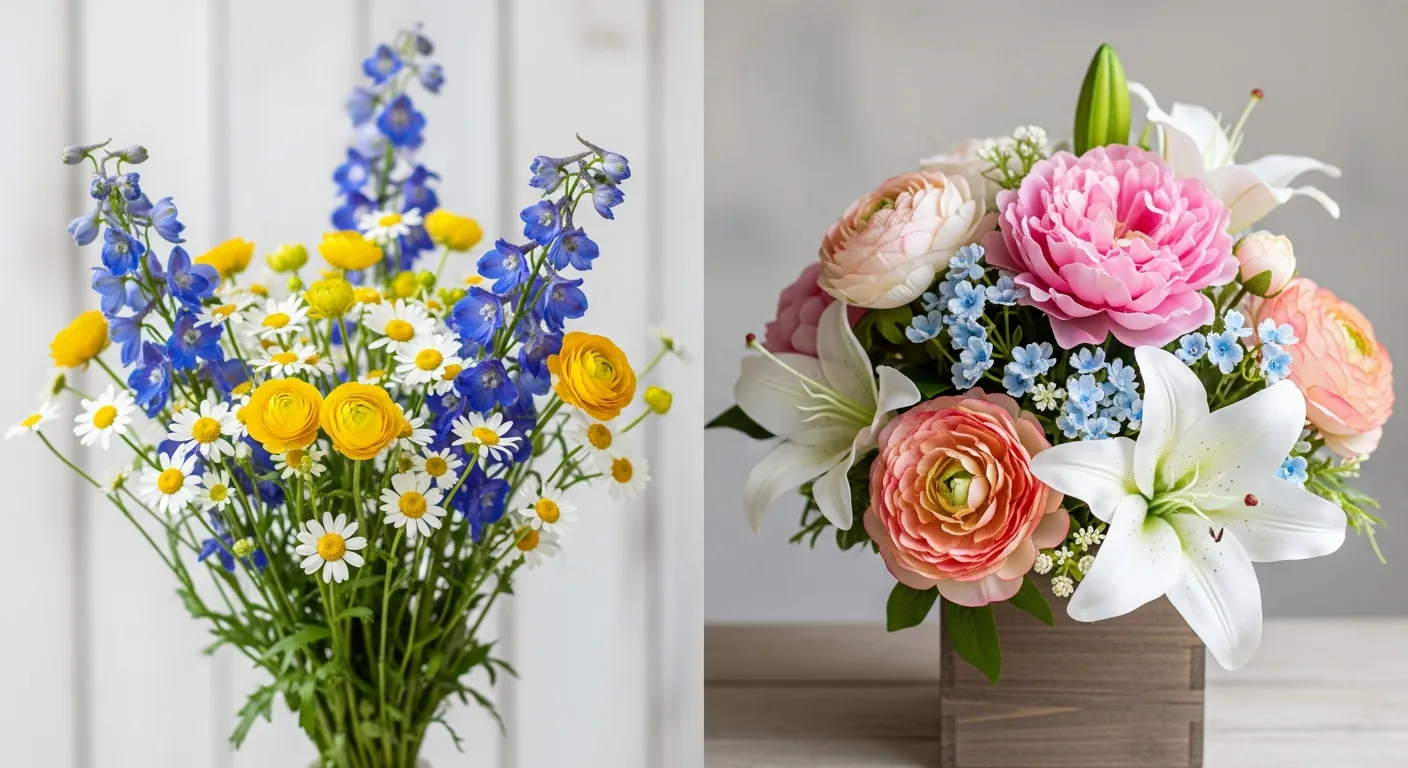
Silk flowers boast a significant advantage in terms of durability and longevity. Unlike real flowers, which typically last only a few days to a week, silk flowers maintain their appearance indefinitely with minimal care, avoiding the need for frequent replacements.
Real flowers, despite their shorter lifespan, provide the unique benefit of air purification and can contribute to an increased sense of well-being through their natural qualities. They do require regular watering, trimming, and optimal light conditions, which can add to daily maintenance tasks. A comprehensive guide to flower care can help manage these needs effectively.
To reduce maintenance efforts while still enjoying real flowers, opt for varieties known for their longevity and robustness, such as orchids or succulents, which thrive with minimal intervention and provide prolonged beauty.
Cost Analysis of Silk vs Real Flowers for Different Spaces
Cost considerations play an essential role when deciding between silk and real flowers. Initially, silk flowers may require a higher investment, but their longevity means they often offer better long-term value as they do not need replacement.
Conversely, real flowers, while generally less expensive per bouquet, can accumulate higher costs over time due to the need for continuous purchase. The total expense can vary widely depending on the types of flowers selected and their availability throughout the year.
To maximize budget efficiency, consider the frequency of flower replacement and the overall desired effect in the space. For events or short-term needs, real flowers might be more cost-effective, while silk flowers could be more economical for long-term decor.
Environmental Impact and Sustainability: Silk vs Real Flowers
The environmental impact of silk and real flowers is another critical factor. Real flowers are biodegradable and often grown without harmful chemicals if sourced from organic farms. However, the floral industry can also be associated with significant carbon emissions due to international shipping and intensive water use.
Silk flowers, although reusable and durable, are typically made from petroleum-based materials like polyester, which are not biodegradable. This aspect makes them less ideal from a sustainability standpoint. Moreover, the production of silk flowers can involve substantial energy consumption and chemical use.
For those prioritizing environmental considerations, researching the source of their flowers, whether real or silk, is advisable. Opting for locally grown real flowers or high-quality, eco-friendlier silk flowers can minimize negative environmental impacts. A resource on sustainable practices may offer additional insights.
Ultimately, the choice between silk and real flowers hinges on one's specific needs and values, such as aesthetics, maintenance, cost, and environmental impact. Understanding these factors and assessing how they align with personal or business objectives can guide a well-informed decision. Reflect on the desired atmosphere and practical aspects like longevity and upkeep to select the best floral option for your space.