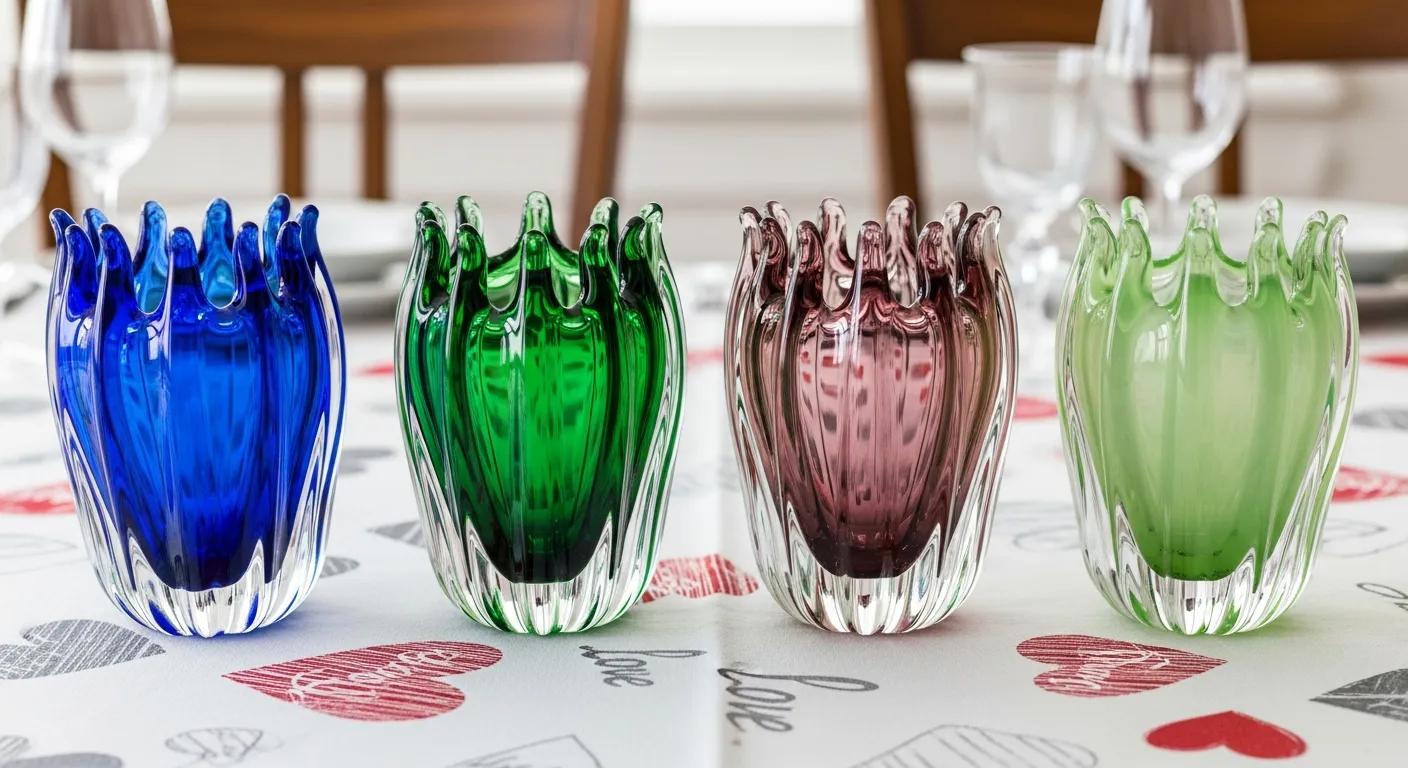
Swung vases were very popular in the 1960s through the early 1980s. The vase was made with a specialized glass-blowing method and is much sought after in the antique collecting world. Some people even call it “swing glass.” Blowing the glass gives it a unique shape, and it is mostly known for its irregular mouth shape, which sets it apart from a standard vase.
These vases are usually tall and slim, and have a narrow base that widens a bit when going upward. However, not everyone has an eye for distinguishing it from regular vases. So, this blog intends to discuss the identification factor for easy and correct recognition.
What is a Swung Vase?
Swung vases are mostly functional and are used simply to hold flowers. They are quite tall and sleek, with their wide mouths, which adds beauty to the vase. Swung glass vases are available in several colors, such as purple, red, green, pink, amber, and blue. These vases can be made of any kind of glass, and the term “swung” refers to the formation of the vase. Most manufacturers mark their initials on the hot glass.
Swung vases are quite durable because they are thick, especially at the bottom. However, as they are made completely of glass, it is important to handle them with care. Also, the neck of the vase is considered fragile, and it tends to break even with slight pressure. Hence, it is advised to hold the vase by the base instead of the neck.
History of the Swung Vase
The first company to make swung vases was Bryce Higbee in 1889. By around 1905, three additional companies started making these vases, namely Viking Glass Company, Fenton Art Glass, and L.E.Glass. They were very prominent and well-known for their varied designs and exclusive artwork. However, the demand for swing glass vases dropped significantly due to the financial crisis in the US.
How Are Swung Glass Vases Made?
The methods of making a swung glass vase may seem quite complicated, but they are not. The vase is formed when the molten glass is pressed into a mold and left to cool slightly. When the glass is subtly hot but takes the shape of the vase, the glassblower picks up the vase by its neck or base and swings it gently.
After swinging it, the glassblower cuts off the tail and shapes the vase’s mouth. The result of each vase is different, as some may have ruffled or sloped mouths. Some of the common mouth shapes are - toed, broken column, footed, diamond butt, fat butt, ribbed, hobnail, smoothies, pedestal, nubby, and wide mouth. Remember, the list does not end here, as there are a lot of designs you can find. Finally, once it cools down, these vases are polished to perfection.
What is the Size of a Swung Vase?
The size of a swung vase is determined by the diameter of the base, not the height. The base diameter normally ranges from 2 ⅜ to 5 ⅜ inches. They come in various sizes, and collectors usually classify them in ascending order:
- Miniature (the mini version)
- Small
- Standard
- Midsize
- Funeral
Even if the diameter of the base remains the same, the height differs, depending on the making method. Some may stretch up to 7 ½ inches, while others can extend beyond 14 to 16 inches. Some vases can also reach heights up to 22 inches, which makes them heavier (around 4 to 5 pounds). Before being swung, these pieces are called “jardinieres.” Some small vases can be as tall as 3 inches.
How to Identify Swung Glass?
Swung glass can be identified by some key features. First, check the base, where you’ll find a visible mold seam. During the blowing process, as the vase stretches, the seam becomes less noticeable along the neck. The most distinctive feature of the vase is its opening. It is quite uneven, with irregular yet soft curved dips and folds.
You can also identify them by seeing the mold seam along their body. Each manufacturing company has its own distinct ways to make sunglasses. So, these techniques help identify which type of swung glass you have.
What Are the Types of Swung Glass?
Here are two popular types of swung glass vases you can find:
Stretch Swung Glass
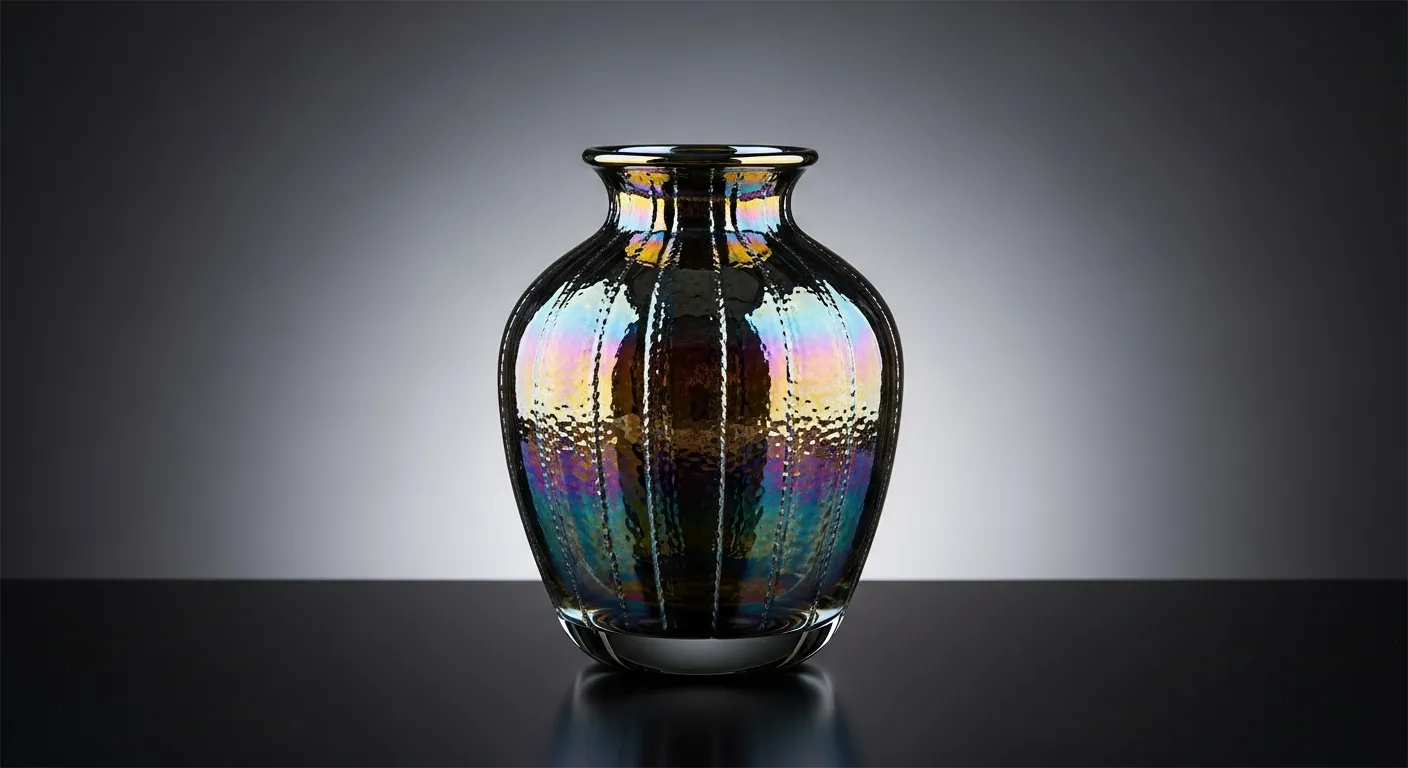
Stretch glass is a combination of two different glass-blowing techniques. The process of making stretch swung glass slightly differs from swung glass, which is combined to form a beautiful artwork.
The glass is heated up and then shaped into a vase body, which is further sprayed with a metallic finish. Once done, it is heated again, which gives the vase an iridescent finish. The resulting vase looks like carnival glass, but sturdier. However, it is considered different from swung glass, even though the making process is almost the same.
Viking Swung Glass
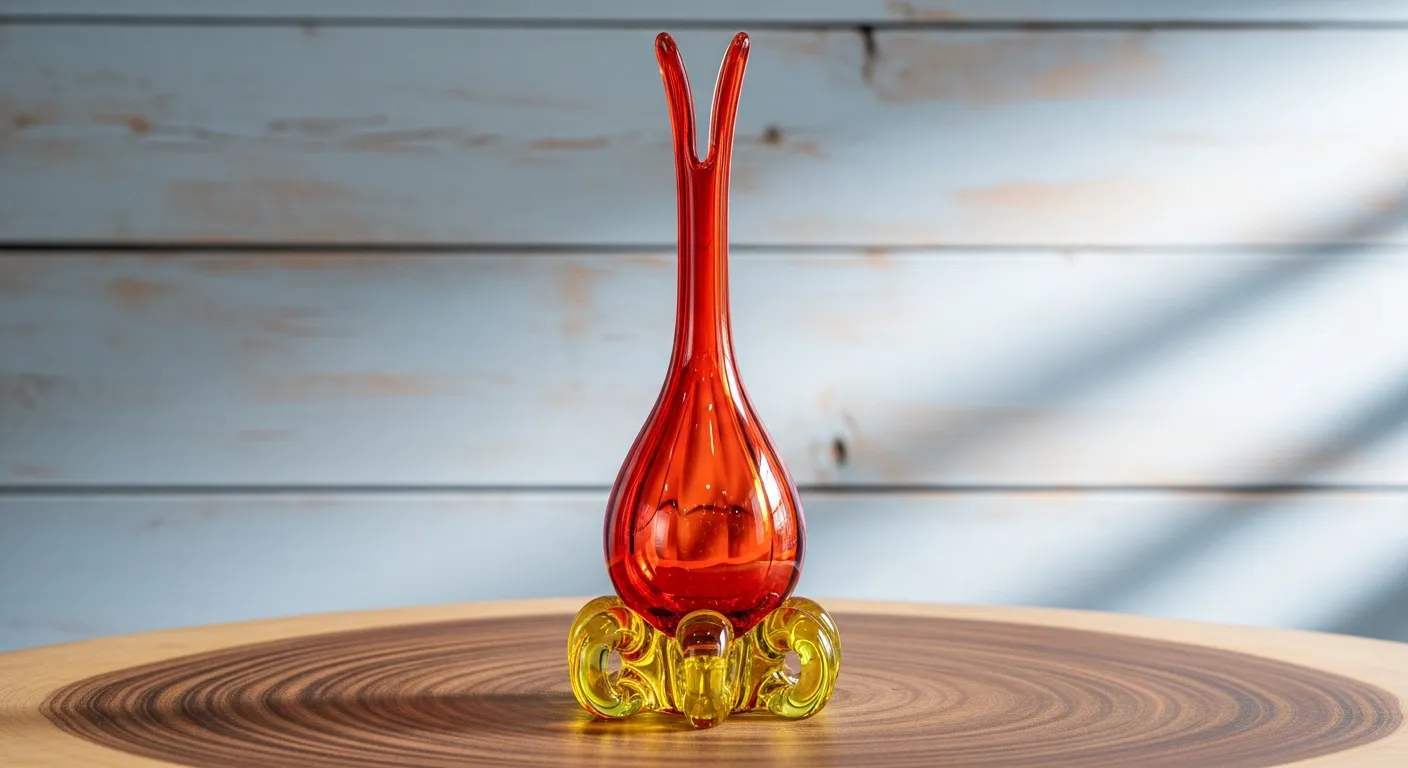
Viking Swing Glass is a type of swung glass manufactured by the Viking Glass company. It has a pedestal, which comes in a variety of forms and types. The company was widely known for making colorful glasses, especially swung glass vases. As they closed their business in 1999, the Viking swung glass is now considered an antique.
Popular Swung Vases One Must Know About
Swung vases are available in different patterns. So, if you are looking for swung vases to add to your collection, here are some popular swung vases that you must know about:
Purple Amethyst Swung Vase by L.E. Smith
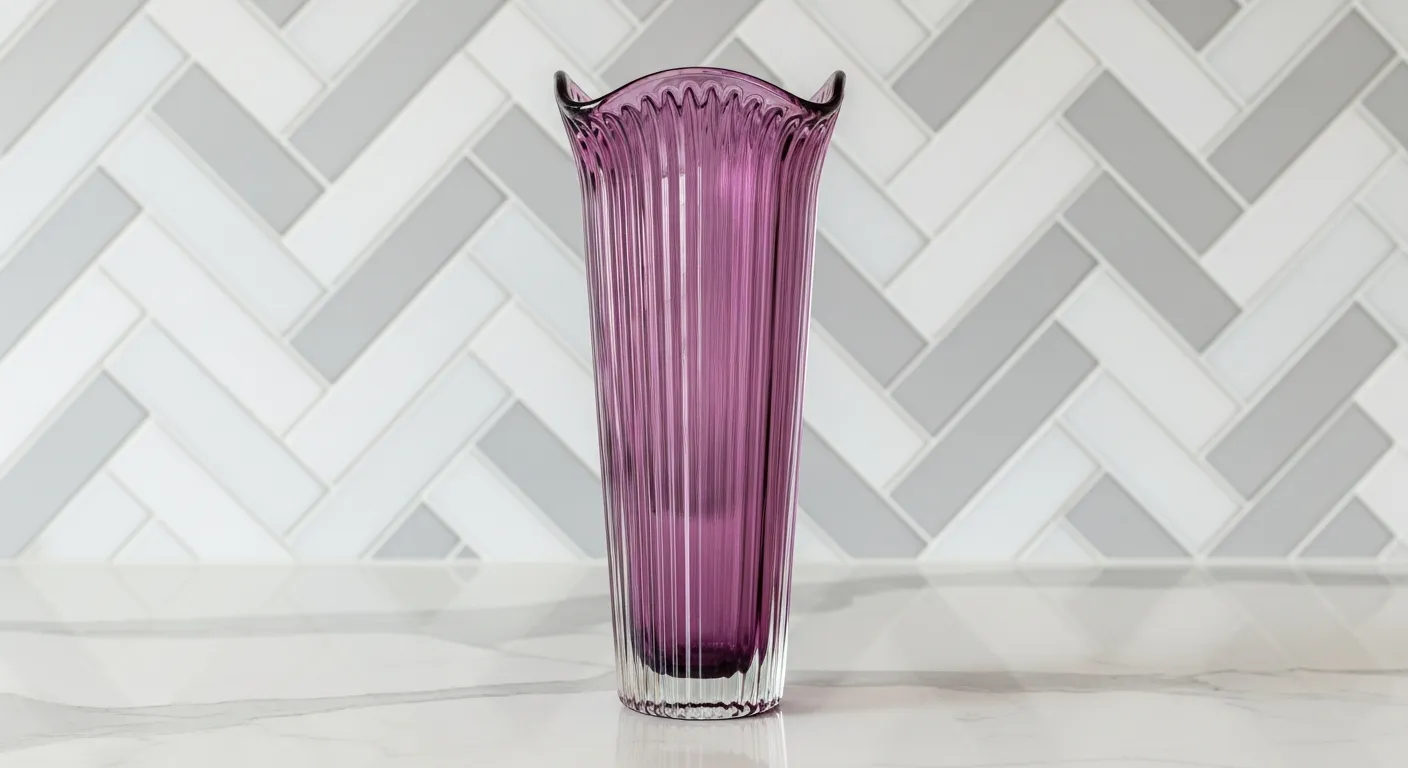
L.E. Smith started the trend of coloring the swung vases in the 1900s, a move considered revolutionary to the glass industry. The color amethyst is known to evoke a sense of power, calm, and inner depth. It is also linked to clarity of thought and higher consciousness. These vases are made with sophistication in mind, which feels soothing, too.
Mid-Century Pink Diamond Swung Vase by L.E. Smith
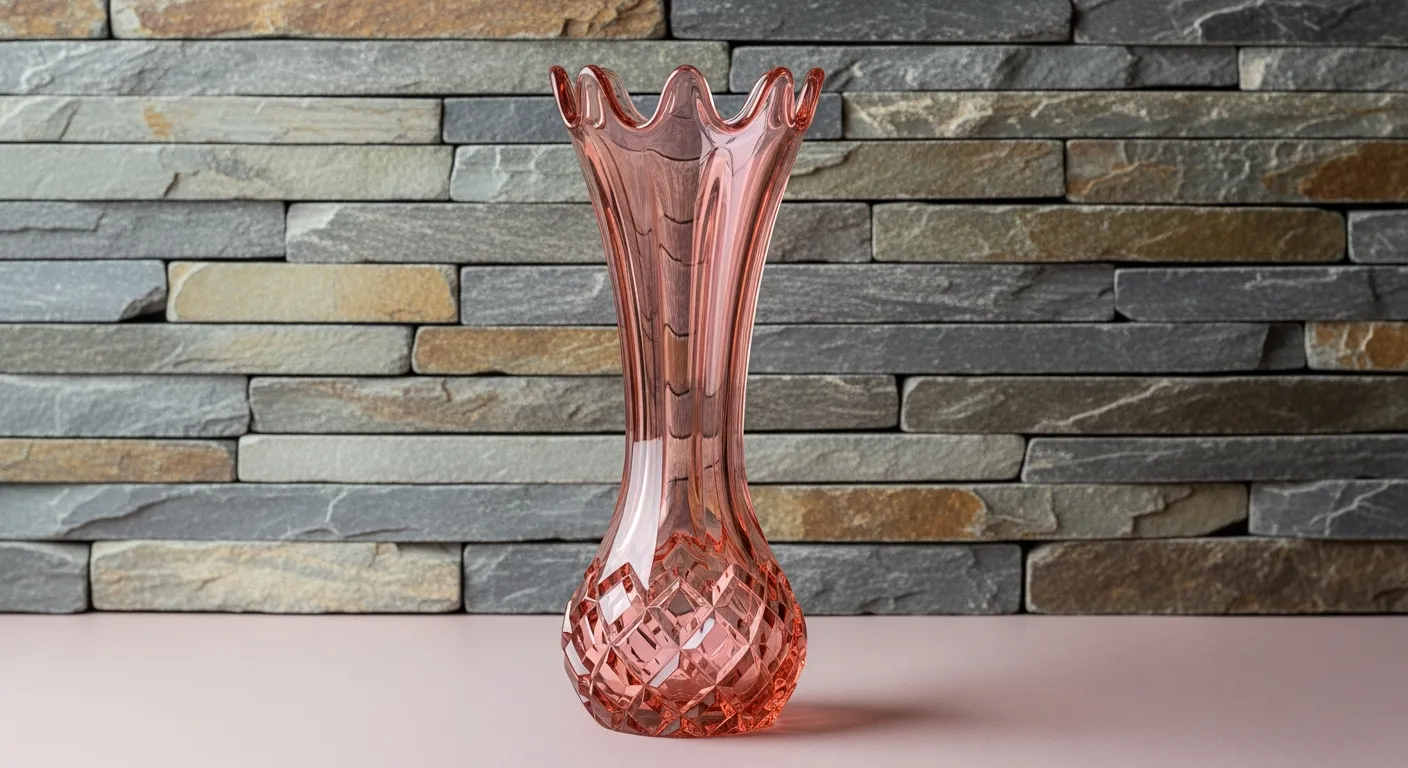
The light-reflecting diamond pattern is what makes this vase visually appealing. The mouth of the vase looks like fingers swelling outward from the rim.
White Opaque Swung Vase by Fostoria Heirloom
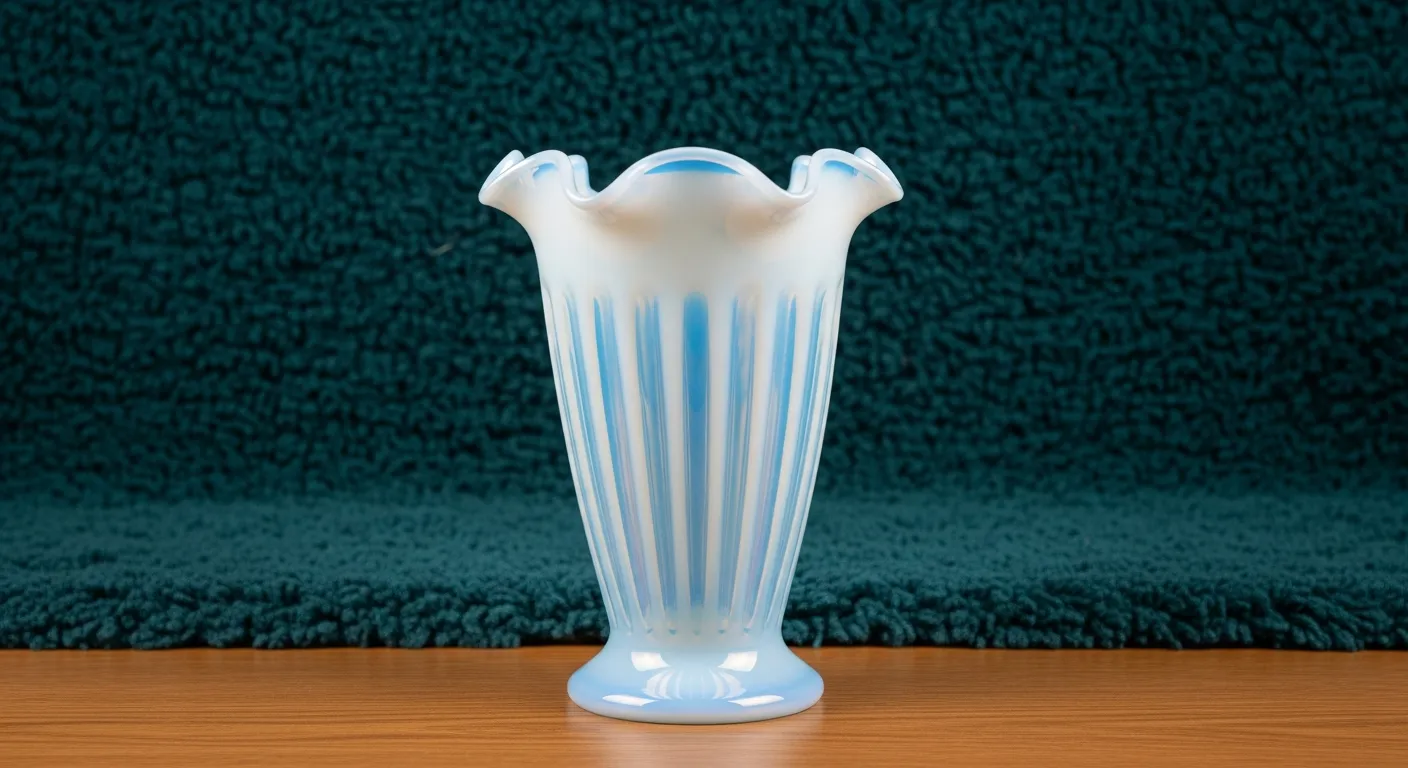
Unfortunately, these vases are no longer produced, as they were first introduced around 1959, and the line was discontinued in 1970. The hot glass was rotated and stretched to give it a tall, uneven rim. However, you can buy them in vintage or antique markets.
Orange Swung Vase by Viking Glass Company
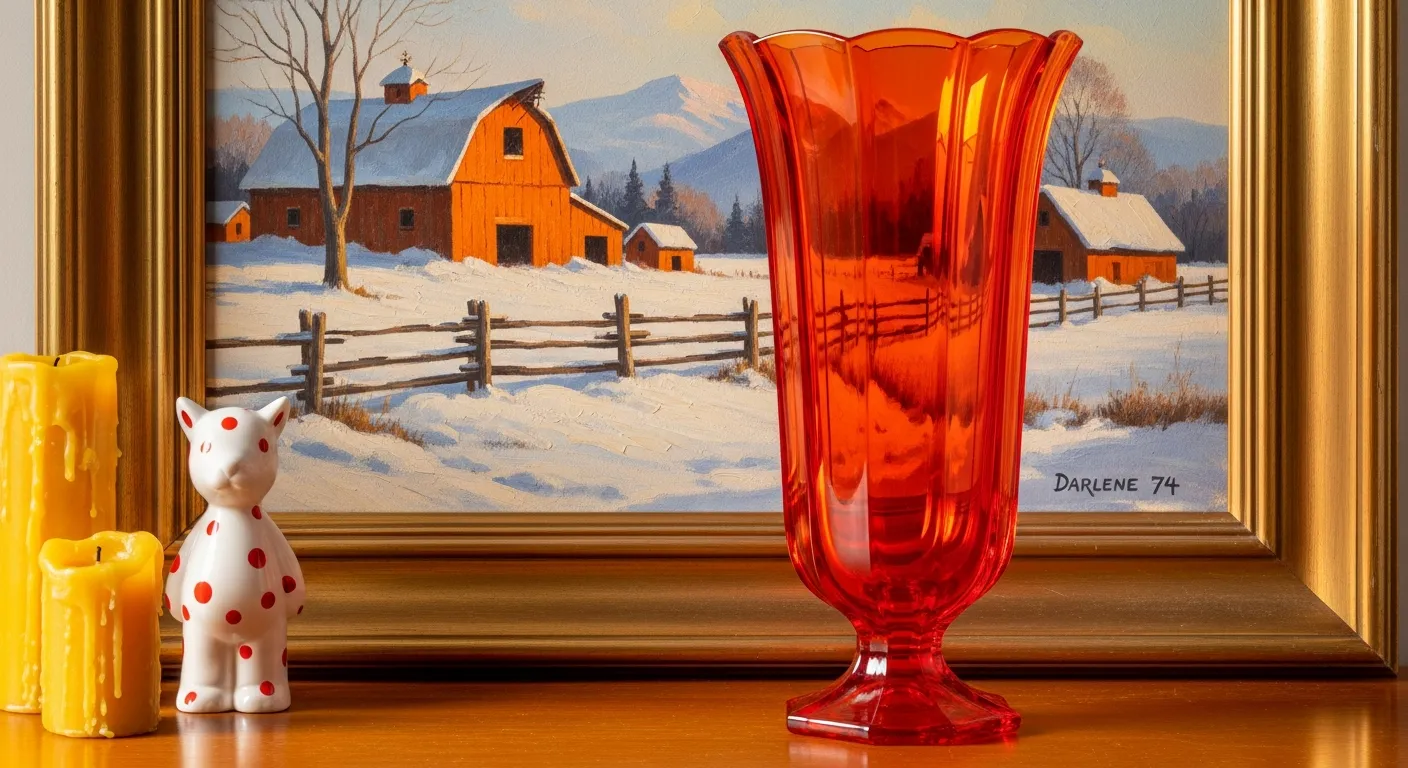
The orange hue of this glass vase makes it look like a melting volcano. Its base is quite sturdy and rounded, and as it stretches upward, it gets narrower.
Black Amethyst Swung Vase by Fenton
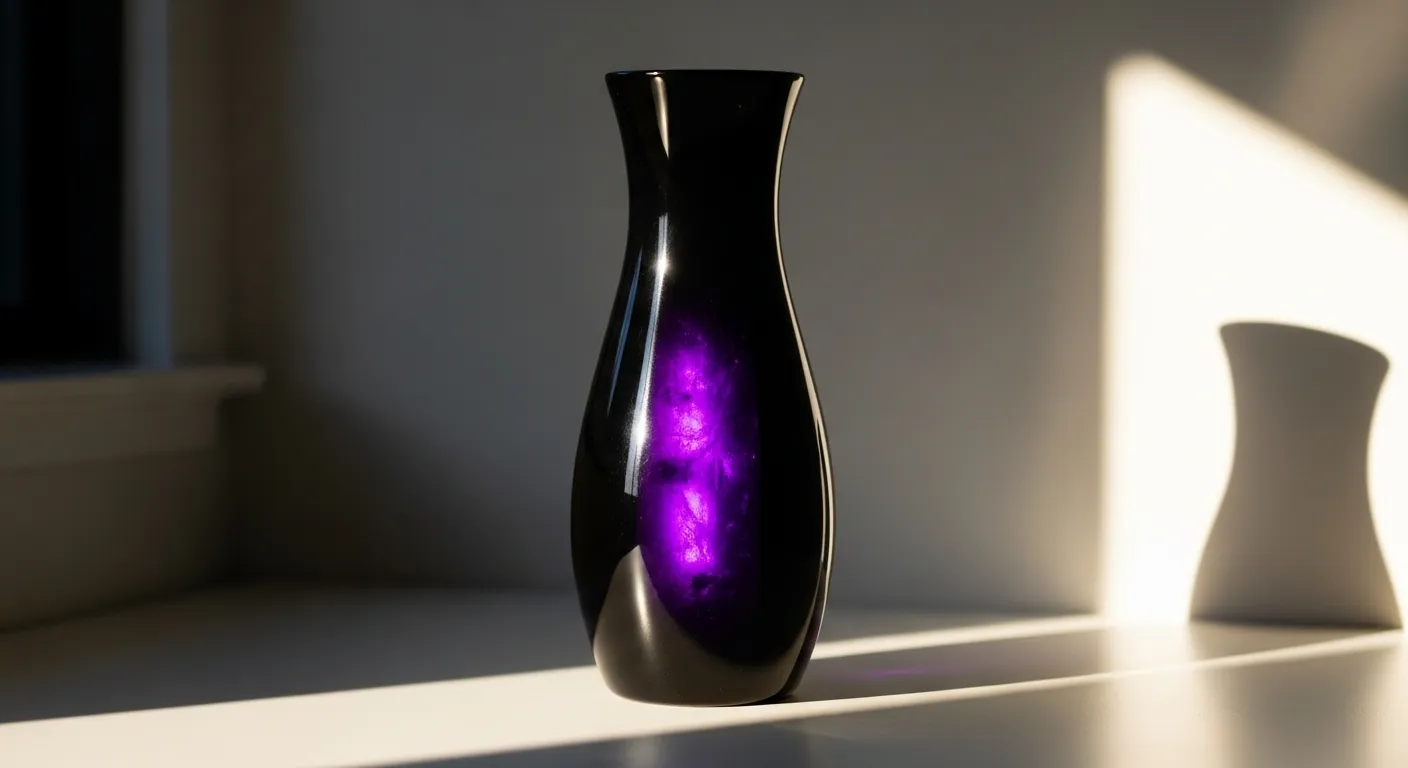
The black amethyst swung vase was manufactured between 1960 and 1969. It is black in color, which changes the color to purple when exposed to the sun.
Green Swung Glass Vase by Murano
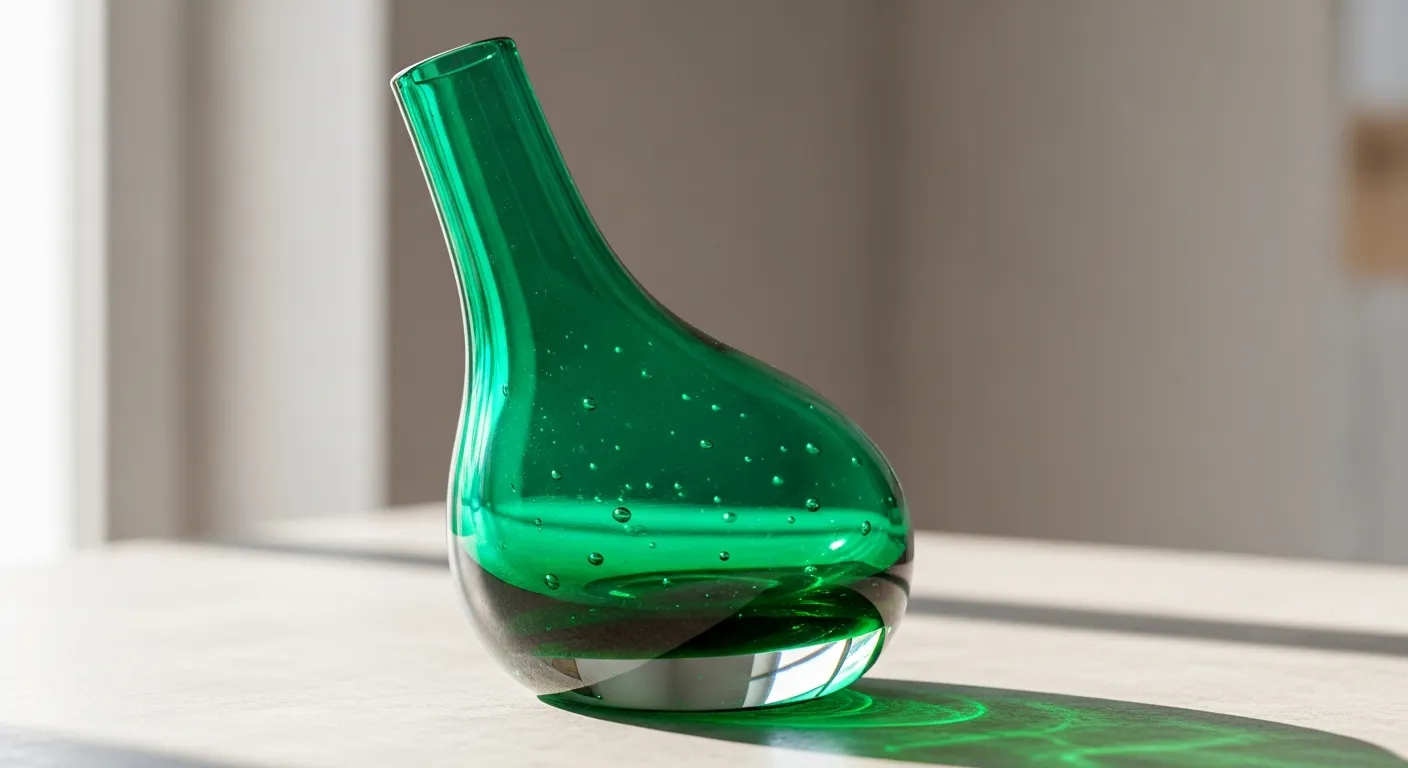
Murano Glass Company is a popular Italian brand that produces lamps, perfume bottles, and vases. The company was well-known for its swung glass, and the most popular ones were in green, black, and blue colors.
Jester’s Cap Swung Vase
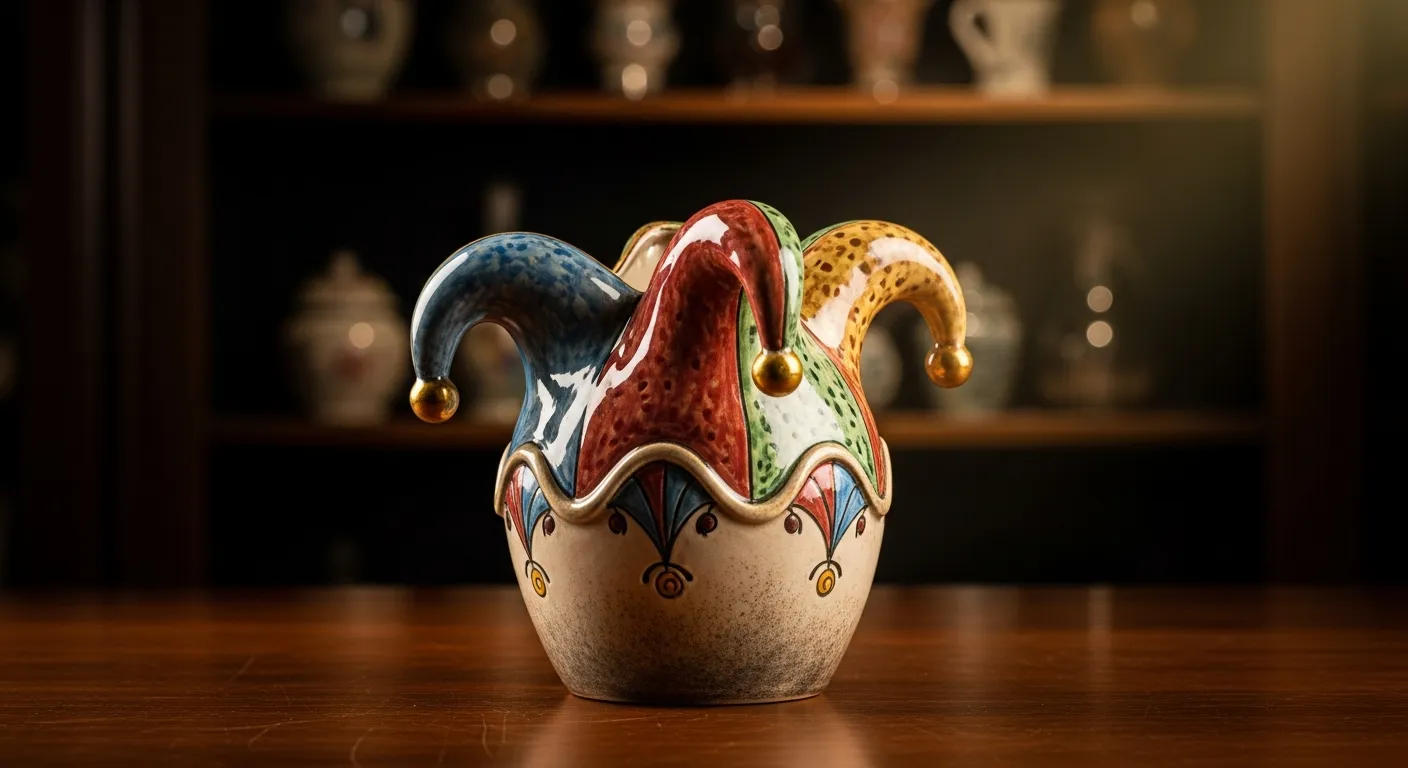
These vases look like a jester’s cap, and are one of the rarest products that you can find only in antique stores. The vase can be kept without flowers and will still look beautiful and attractive, because of its unique shape.
In addition to these, there are varieties, too, such as Fenton’s April Showers, Northwood’s Tree Trunk, Fenton’s Butterfly and Berry, Fenton’s Blackberry Open Edge, and many more. Most of these vases were discontinued, while some of them are still available.
Where Can You Find Swung Vases?
As most of these glass vases are not yet made, they are hard to obtain and costly, too. It is advised not to opt for antique stores; consider visiting antique malls where the booths are individually owned. You can also find great deals on eBay or at estate sales. You can also pick some up on Facebook Marketplace or at garage sales.
Conclusion
The swung vase is unique; hence, many people tend to collect them to keep as a display, rather than using them as a functional piece. These vases are made with precision, as the hot glass needs to be swung and stretched at the same time to give them a desired shape. Many manufacturers produced these vases in the late 1800s, which continued till the mid 1900s. However, due to low demand, they are not manufactured anymore, reducing them to an antique.