

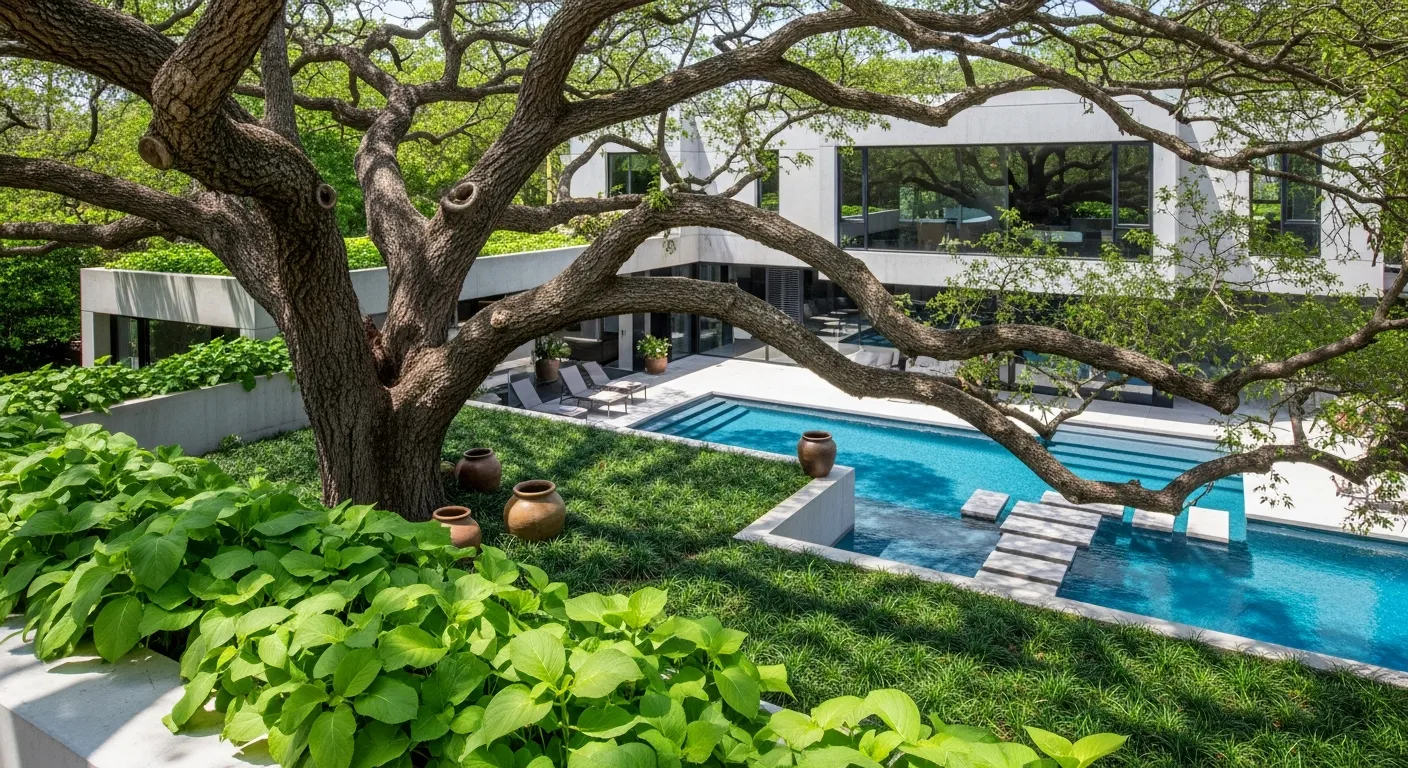
Texas summers are not for the faint of heart, and neither are Texas lawns. From scorching triple-digit temperatures to relentless UV exposure and the occasional flash drought, your outdoor space faces a gauntlet every year between June and September. If you've watched a once-lush yard turn patchy and pale by mid-July, you're not alone. But here's the good news: with the right preparation and the guidance of a skilled landscape designer in Austin, your lawn doesn't just have to survive the summer. It can thrive through it.
Central Texas presents a uniquely challenging climate for homeowners who want beautiful, functional outdoor spaces. The combination of clay-heavy soils, intense heat, and unpredictable rainfall patterns demands a strategy that goes well beyond basic watering. A landscape designer in Austin understands these regional conditions at a granular level, from how Bermuda grass responds to heat stress to which drought-tolerant ground covers can replace struggling turf without sacrificing curb appeal. Before we get to why professional design expertise matters so much, let's walk through what you can do right now to protect your lawn this summer.
1. Water Deeply, Not Frequently
One of the most common summer lawn mistakes in Texas is shallow, frequent watering. When you water lightly every day, roots stay near the surface where the soil dries out fastest. The result is a shallow root system that can't handle heat stress or brief dry spells.
Instead, water deeply two to three times per week, allowing moisture to penetrate six to eight inches into the soil. Early morning is the best time, before 10 a.m., so water isn't lost to evaporation and grass blades have time to dry before evening, reducing fungal risk. If you're on an automated irrigation system, audit it at the start of summer to make sure heads are functioning properly and coverage is even. Dry spots are often irrigation failures, not soil problems.
2. Raise Your Mowing Height
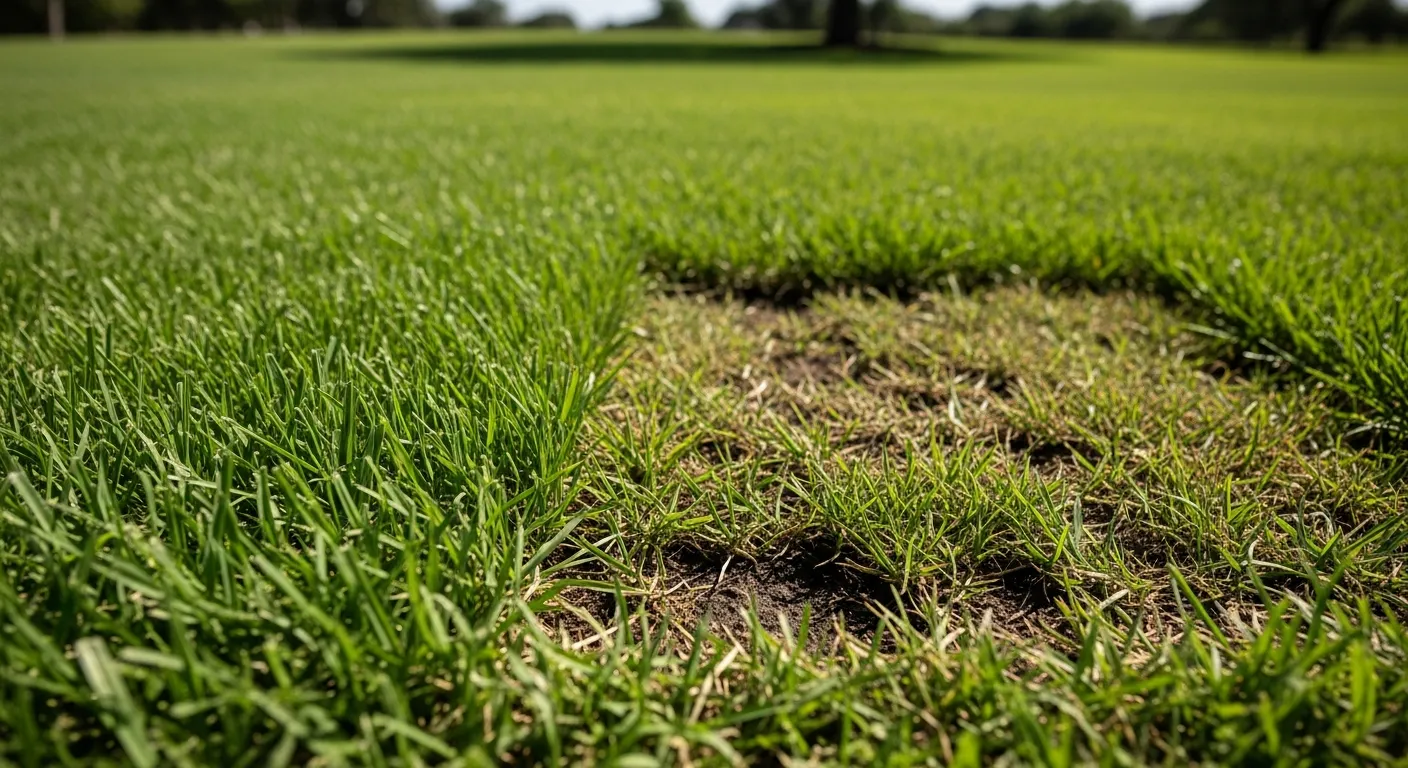
In summer, taller grass is healthier grass. Raising your mower deck to three to four inches allows grass blades to shade the soil, reducing moisture evaporation and keeping soil temperatures lower. For warm-season grasses common in Central Texas, like St. Augustine, Zoysia, and Bermuda, taller turf during peak heat helps maintain color and density.
Avoid cutting more than one-third of the blade length in a single mow, and keep mower blades sharp. Dull blades tear rather than cut, leaving ragged edges that brown quickly in the heat and invite disease.
3. Hold Off on Heavy Fertilizing
It might seem counterintuitive, but heavy nitrogen fertilizing in the middle of a Texas summer can actually stress your lawn. Pushing lush top growth when roots are already under heat pressure diverts energy at exactly the wrong time. If you fertilize in summer at all, use a slow-release formula and apply conservatively. A soil test in spring can help you dial in exactly what your yard needs so you're not over- or under-feeding throughout the season.
4. Address Drainage Before It Becomes a Crisis
Austin's summer weather follows a familiar pattern: prolonged dry stretches punctuated by intense rain events. Poor drainage means that when those storms hit, water pools on the lawn, suffocates grass roots, and creates conditions perfect for fungal disease and pest pressure. Grading issues, compacted clay soil, and hardscape runoff are common culprits.
If you notice standing water after rain, dry patches that never seem to green up, or erosion along beds and pathways, these are signs your yard's drainage needs attention. Addressing them proactively, before summer storms arrive, protects both your lawn and your foundation.
5. Mulch Your Beds Generously
A three-inch layer of organic mulch in planting beds does double duty in summer: it retains soil moisture and regulates soil temperature, keeping roots cooler during peak heat. In Austin's climate, hardwood mulch, cedar mulch, or decomposed granite (depending on the aesthetic) can significantly reduce irrigation needs in landscaped beds while also suppressing weeds that compete with plants for water and nutrients.
Refresh mulch at the start of summer each year. Decomposed mulch from previous seasons adds organic matter to the soil, which is a long-term win, but it no longer provides effective insulation.
Why Summer is the Right Time to Think About a Landscape Refresh?
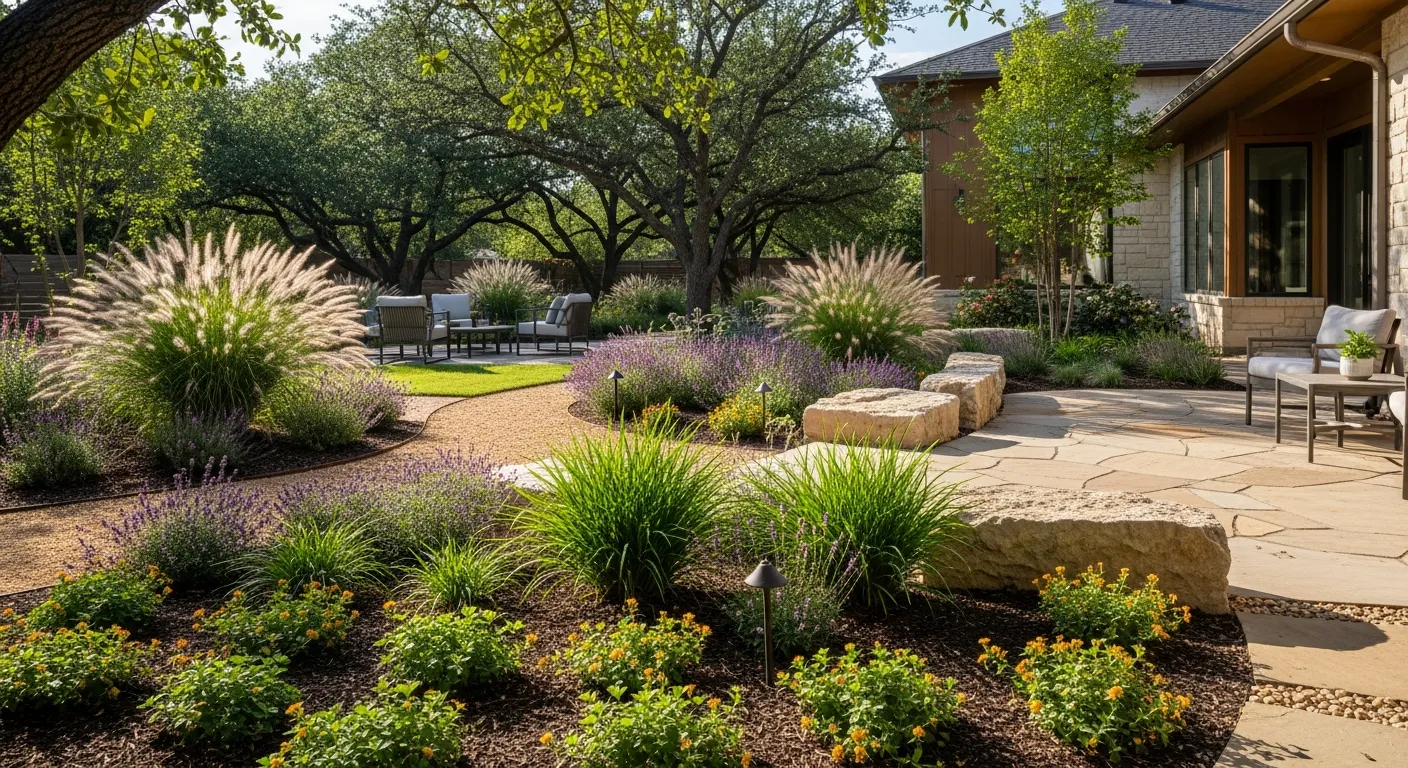
Here's something most homeowners don't realize: summer is actually an ideal time to plan a landscape redesign, even if installation waits until fall. When you're in the thick of the season, problem areas are impossible to ignore: the corner that always goes brown, the patio that floods, the front bed that looks tired no matter how much you water it. These are the pain points a professional designer can solve with lasting results.
Working with a landscape designer goes far beyond choosing plants. A skilled designer evaluates your soil health, sun exposure, existing irrigation infrastructure, drainage patterns, and how you actually use your outdoor space. They translate all of that into a plan that's beautiful, functional, and built for the Texas climate, not a generic design that looks good in a catalog but struggles in Austin's alkaline soils and punishing August heat.
Sustainable design is particularly important in Central Texas, where water conservation is both an environmental priority and a practical necessity. An experienced designer can reduce your lawn's overall water demand by replacing high-maintenance turf areas with native groundcovers, ornamental grasses, and low-water perennials that hold color and texture through the summer without constant irrigation. They can also integrate hardscape elements, decomposed granite pathways, limestone coping, flagstone patios, that reduce the overall planted area requiring maintenance while creating outdoor living spaces that make your yard more enjoyable, not less.
A landscape refresh isn't just about aesthetics. It's an investment in a yard that works with the Texas climate instead of fighting it.
Don't Wait Until Fall to Start the Conversation
Fall is the best planting season in Central Texas, temperatures cool, roots establish before winter, and plants have the best chance of thriving the following summer. But fall planting starts with spring and summer planning. Design consultations, site assessments, and material sourcing all take time. Homeowners who start the conversation with a landscape designer now will have a transformed yard by November.
If this summer has made it painfully clear that your lawn and landscape need more than basic maintenance, that frustration is useful information. Use it. Reach out to a professional who knows Austin's soils, microclimates, and the plants that perform beautifully in this region. The investment pays dividends in reduced water bills, lower maintenance time, and an outdoor space you'll actually want to spend time in, even on the other side of a Texas summer.


