

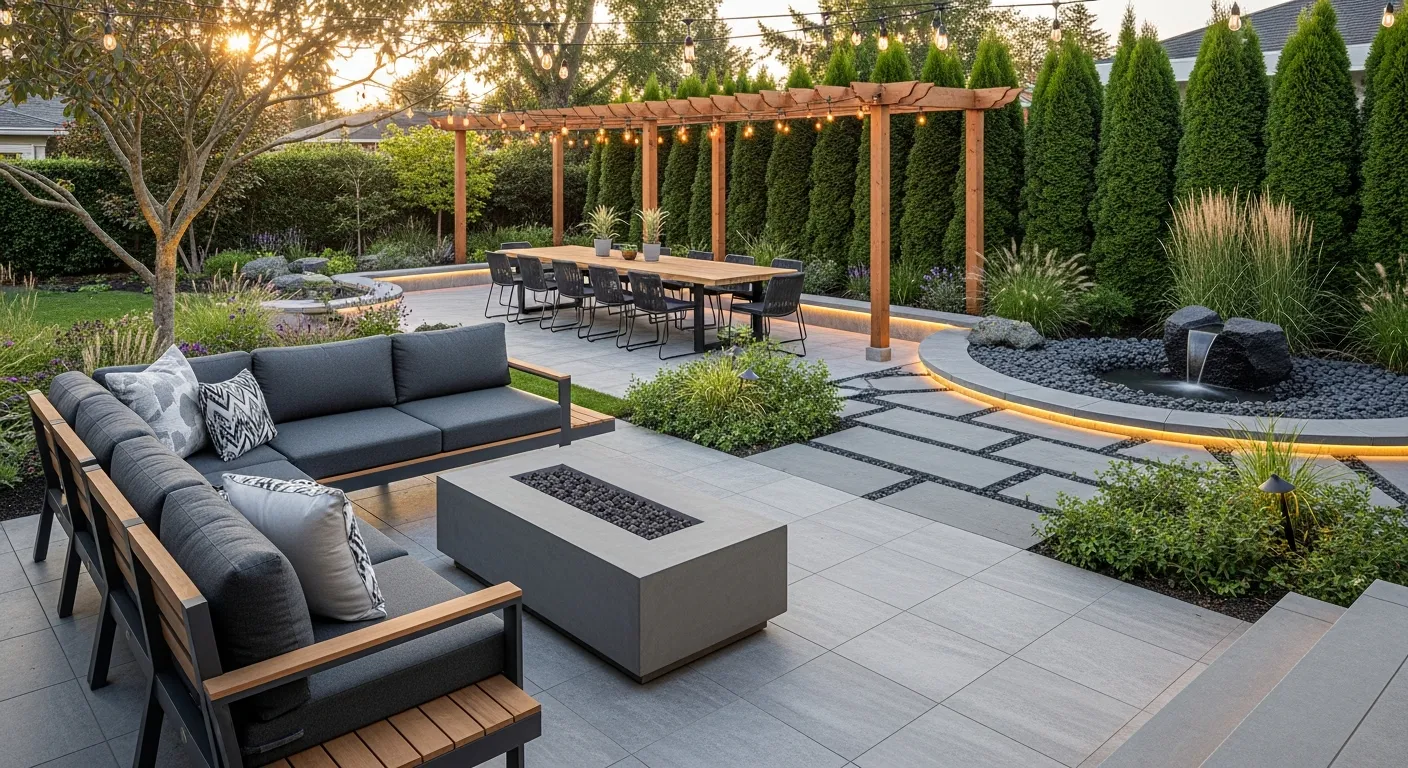
A functional outdoor space does more than enhance the appearance of a property. It creates an area where homeowners can relax, entertain guests, and enjoy everyday activities with greater comfort. Whether the goal is to build a patio, outdoor kitchen, garden retreat, or family gathering area, careful planning helps ensure the space meets practical needs while remaining visually appealing. A well-designed outdoor environment can also increase property value and reduce future maintenance concerns.
Before beginning any outdoor improvement project, homeowners should evaluate several important factors that influence long-term performance. Site conditions, intended use, material selection, and accessibility all play a role in determining the success of the finished space. By addressing these considerations early in the planning process, it becomes easier to avoid costly modifications later and create an outdoor area that remains useful for years to come.
Assess Your Property's Drainage and Site Conditions
Every successful outdoor project begins with a thorough understanding of the property's existing conditions. Homeowners should examine how water moves across the landscape, identify low spots where water tends to collect, and assess the overall grading of the yard. Ignoring these factors can lead to erosion, standing water, and damage to outdoor features over time. Even the most attractive patio or walkway may experience problems if the underlying drainage issues remain unresolved.
Proper water management should be addressed before selecting design elements or construction materials because it affects the long-term performance of an outdoor space. This is particularly important when adding hardscape features such as patios, driveways, and walkways, which can limit natural water absorption and increase runoff. As excess moisture accumulates, it can cause standing water, surface deterioration, and safety concerns. To help prevent these issues, homeowners often consider installing channel drains for hardscapes to collect and redirect water away from paved surfaces, reducing moisture-related damage and preserving the condition of outdoor features. By managing runoff more effectively, they help protect hardscape surfaces from premature wear and support the long-term functionality of the outdoor space.
Define the Purpose of the Outdoor Space
Once site conditions have been evaluated, the next step is determining how the outdoor space will be used. Different households have different priorities, and understanding those priorities helps guide every design decision. Some homeowners may want a dedicated area for entertaining guests, while others may prefer a quiet retreat for relaxation. Families with children may need open space for recreation, whereas avid gardeners may require room for planting beds and landscape features.
Clearly defining the intended purpose helps establish realistic goals for the project. It also prevents the space from becoming overcrowded with features that serve little practical value. By focusing on specific activities and lifestyle needs, homeowners can allocate their budget more effectively and create an outdoor environment that supports daily routines while remaining flexible enough to accommodate future changes.
Create a Functional Layout
After identifying the primary purpose of the space, homeowners can begin developing a layout that supports those activities. A functional design typically divides the outdoor area into distinct zones based on use. For example, dining areas, seating spaces, and recreational zones should have enough separation to remain comfortable while still feeling connected. Strategic placement of these areas improves usability and creates a more organized outdoor environment.
Traffic flow is another important consideration during the planning stage. Pathways should allow people to move easily between different sections without obstacles or unnecessary detours. At the same time, homeowners should avoid overcrowding the space with too many features. Maintaining an appropriate balance between open areas and built elements helps maximize available square footage while preserving comfort, accessibility, and overall functionality.
Choose Durable and Low-Maintenance Materials
Material selection has a significant impact on the appearance, durability, and upkeep of an outdoor space. Homeowners should choose materials that can withstand local weather conditions and support the intended use of the area. Surfaces exposed to heavy foot traffic, moisture, or direct sunlight require products that resist wear and maintain their appearance over time.
It is also important to balance aesthetics with practicality. Natural stone, concrete pavers, and other hardscape materials each offer distinct benefits and maintenance requirements. Comparing available options before construction begins can help homeowners make informed decisions that support both their design goals and long-term maintenance expectations.
Incorporate Comfort and Accessibility Features
Comfort should remain a priority throughout the planning process. Features such as shade structures, seating areas, and weather protection can make the space more enjoyable throughout the year. Well-designed outdoor living areas encourage homeowners and guests to spend more time outside while supporting a variety of activities.
Accessibility is equally important. Clear pathways, appropriate surface materials, and convenient transitions between spaces improve movement throughout the property. When homeowners consider users of different ages and mobility levels, they create an environment that remains practical, welcoming, and easy to navigate.
Plan for Outdoor Lighting and Safety
Outdoor lighting extends the usability of a space beyond daylight hours. Proper illumination helps homeowners enjoy patios, walkways, and gathering areas in the evening while creating a more comfortable environment. Thoughtful lighting placement can also highlight landscape features and architectural details without overwhelming the overall design.
Safety should guide every lighting decision. Steps, pathways, and changes in elevation require adequate visibility to reduce the risk of accidents. In addition, strategically placed lighting can improve security around the property by discouraging unwanted activity and increasing visibility near entry points and commonly used outdoor areas.
Consider Long-Term Maintenance and Future Needs
A functional outdoor space should continue meeting household needs for years to come. Homeowners can support this goal by selecting features that require reasonable maintenance and remain durable under regular use. Planning for upkeep from the beginning often reduces future expenses and helps preserve the appearance of the property.
Future needs should also influence design decisions. Families may expand, entertaining habits may change, or additional features may be added later. Leaving room for modifications and upgrades provides flexibility while protecting the overall investment. A forward-thinking approach helps ensure the space remains useful as needs evolve.


