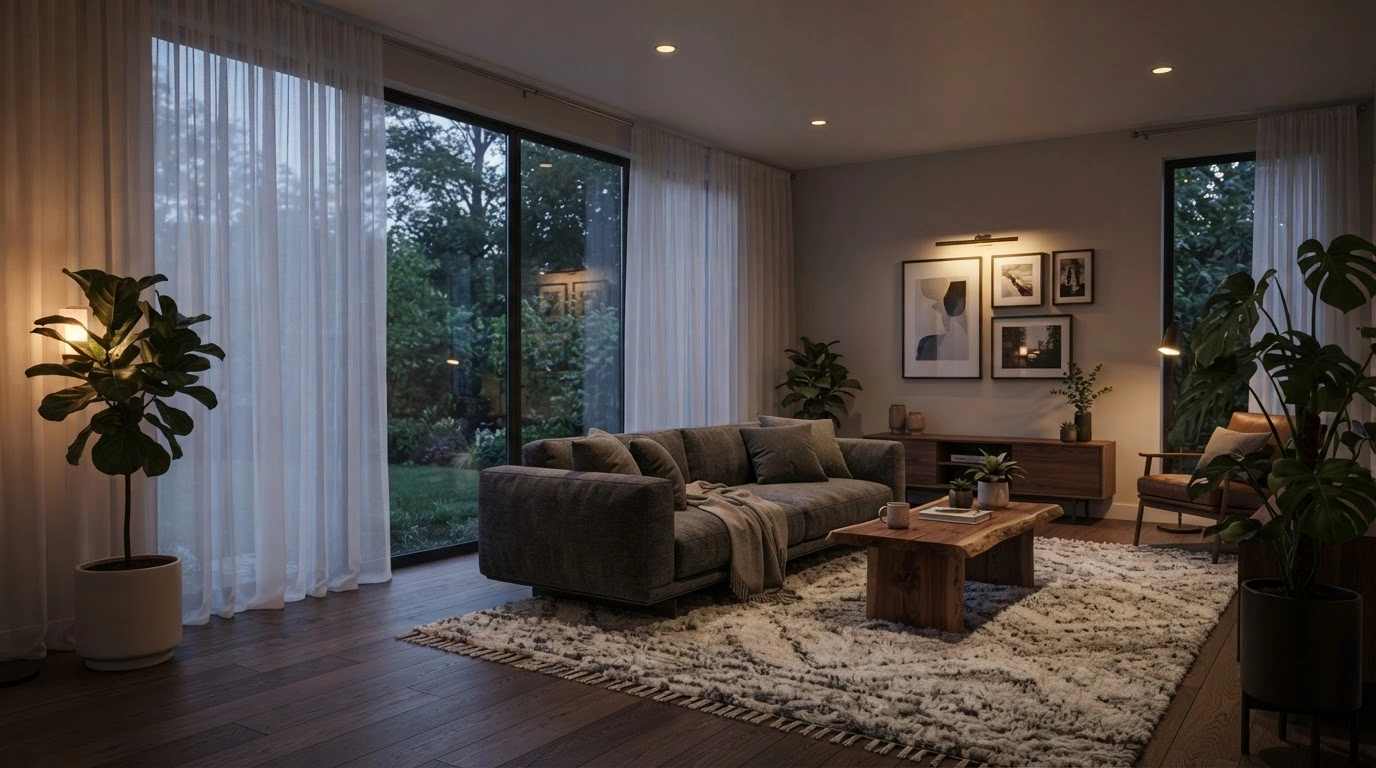
Around the world, many people dedicate a portion of their homes to worship or ceremony. People of different faiths practice readings, songs, and rituals that remind them of their faith and offer moments of pause.
Candace R. Kwiatek once wrote about a friend visiting a church and noting that there were a variety of rooms, including a sanctuary and a library, but no kitchen or social hall. The friend asked a congregant about this, to which he responded, “Church is a place where we gather to worship” – it was not, the congregant said, a place to eat and socialize.
The home, however, is a place where all these things and more regularly happen. How do homes and public spaces compare in religion, culture, and architecture?
How Churches and Places of Worship Differ Across the World
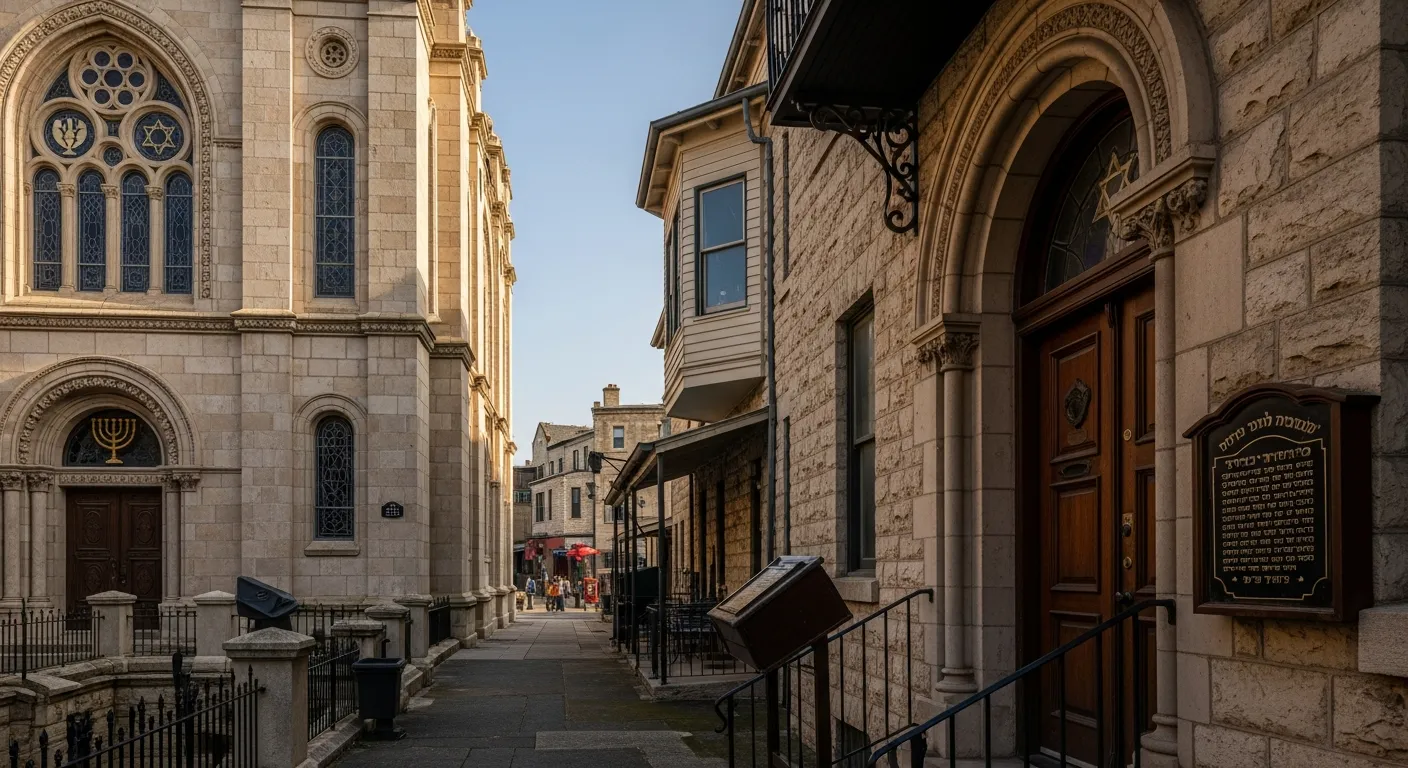
The architecture of churches and places of worship is one of the most striking differences across the world and different faiths. In Christianity, for example, churches normally center around a large cross. There are stained glass windows and an altar. In Islamic traditions, mosques feature a Sahn, a Minaret, and a Mihrah. Hindu temples include an inner shrine and prayer halls. The architecture of these buildings often differs greatly. The appearance of a synagogue could rarely be confused with a Christian cathedral, for example.
In the last few centuries, the world’s finest architects have often focused on sacral architecture (that concerning the design and construction of places of worship). Some of the most celebrated architects, such as Oscar Niemeyer, Le Corbusier and Michaelangelo, worked in this field.
The Word “Church”
“Church” is from the Greek and Germanic meaning “of the Lord” or “Lord’s house”. Those rooms that Kwiatek’s friend wondered about – dining halls, kitchens, meeting rooms, etc. – didn’t appear in churches until the late 1800s, as Kwiatek noted.
Some places that are often likened to churches are not quite churches, exactly. In Jewish culture, the synagogue is rather a multi-purpose place: a house of assembly, a school, a place for prayer, and a temple. It may not be right to say that a synagogue is more like a home than a church, for it is a community-operated, public place. But it is similarly multi-purpose.
Regardless of where one worships, intent is often the most important thing. Daniel Friedman once wrote for The Times of Israel that many people believed that they could “simply appear in shul”, thinking that if they were in the right place, they’d be fine. But “intent is the main issue”.
Ceremonies and Public Spaces
Many cultural ceremonies are practiced in public spaces rather than at home. For example, in Jewish culture, the Aliyah Torah ceremony involves an ‘Oleh’, an honoree, reciting blessings before a reading of the Torah, also known as the Five Books of Moses. Aliyah Torah refers to the idea that Israeli descendants have a special connection with God. Aliyah is the Hebrew term for “to go up”, with one interpretation relating to spiritual ascent. The Nadav Art Jewish blog explains the importance of Aliyah Torah in more detail.
The readings take place in a synagogue and the communal nature of the ceremony is an important part. This is an example of a ceremony that is far more suited to a public space, but that’s not to say that ceremony can’t be part of one’s home. For example, in Judaism, families light candles before sunset at the beginning of Shabbat; a Christian family might share a Bible reading every evening; and in some Muslim cultures a Dholki ceremony is often held at home before a wedding.
In short, both public spaces and homes are important to worship.