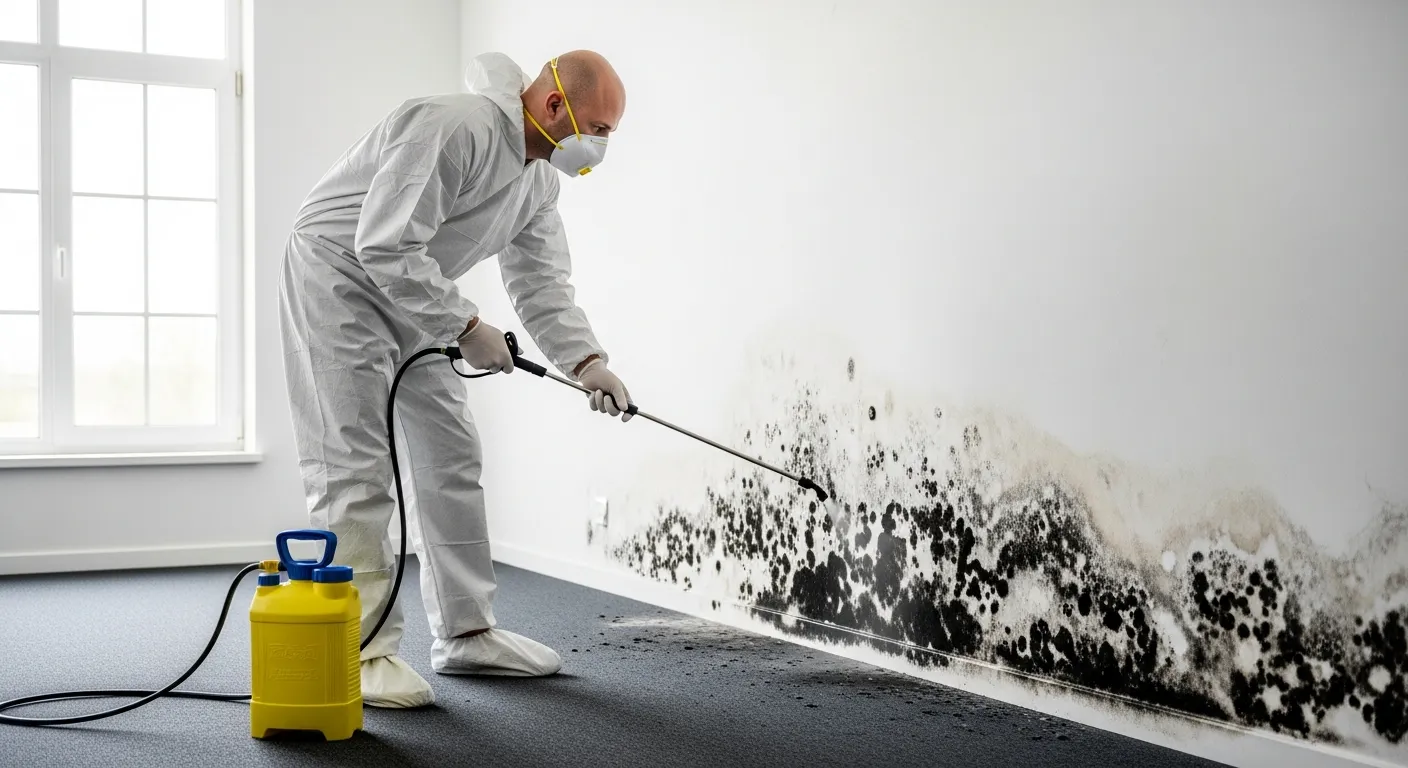
Some parts of the home are prone to mold growth due to continuous exposure to moisture and dampness. These areas could be the bathroom, kitchen, basement, laundry rooms, and ceilings. When mold grows on kitchen or bathroom walls, it spreads more quickly and can pose health hazards. All these raise a common query among homeowners, “how to prevent mold growth on the walls," and “does mold resistant paint work” in such cases. This blog covers the different aspects of mold-resistant paint work.
How Does Mold-Resistant Paint Work?
Mold-resistant paint is formulated with antimicrobial agents and fungicides to prevent mold, mildew, and bacterial growth. If your walls already have mold or mildew, these paints won’t be much help. This is because mold-resistant paint creates a moisture-resistant barrier that prevents further mold spread, but it cannot kill the existing mold. In moisture-prone areas of the house, such as the kitchen, bathroom, basement, and laundry room, these paints can be an effective long-term solution against mold and mildew damage when used on mold-free surfaces.
Pros and Cons of Mold-Resistant Paint
Though these paints have many benefits, they're not a perfect solution for killing existing mold. It’s important to assess both aspects and decide whether to opt for mold-resistant paint.
Pros
-
Inhibits Mold and Mildew Growth- It inhibits mold and mildew growth because it is specially formulated with fungicides to prevent their growth.
-
Better Indoor Air Quality- It ensures better indoor air quality by reducing airborne mold spores, thus preventing people staying in the house from allergies and other respiratory problems.
-
Add Life to the Paint- It helps maintain a clean and fresh surface, which adds life to the paint.
-
Improved Moisture Resistance- It improves the moisture resistance in areas with high humidity.
-
Low-Maintenance- It’s low-maintenance and easy to clean because surfaces can be wiped clean, reducing stains and grime buildup.
Cons
-
Won’t Work on the Existing Mold Growth: One of the major disadvantages of these paints is that it doesn’t kill the existing mold. You will first need to clean the surface and remove the existing mold, then apply the paint for effective mold remediation.
-
Work Best if the Moisture Source is Controlled: If the source of moisture is kept under control, this paint can effectively keep mold growth in check. If proper moisture control is not maintained, mold can grow behind or around painted surfaces. You should focus on the root cause of the problem through repairs and proper ventilation. All these measures ensure a long-term solution to mold growth.
-
Doesn’t Work on Invisible Areas- Mold-resistant paints protect the visible areas and not the areas behind the walls or some hidden spaces.
-
It’s a Temporary Solution- This paint doesn’t guarantee a permanent solution for mold growth because over the years, the paint loses its effectiveness, especially when it is exposed to continuous moisture.
How to Maximize the Effectiveness of Mold-Resistant Paint?
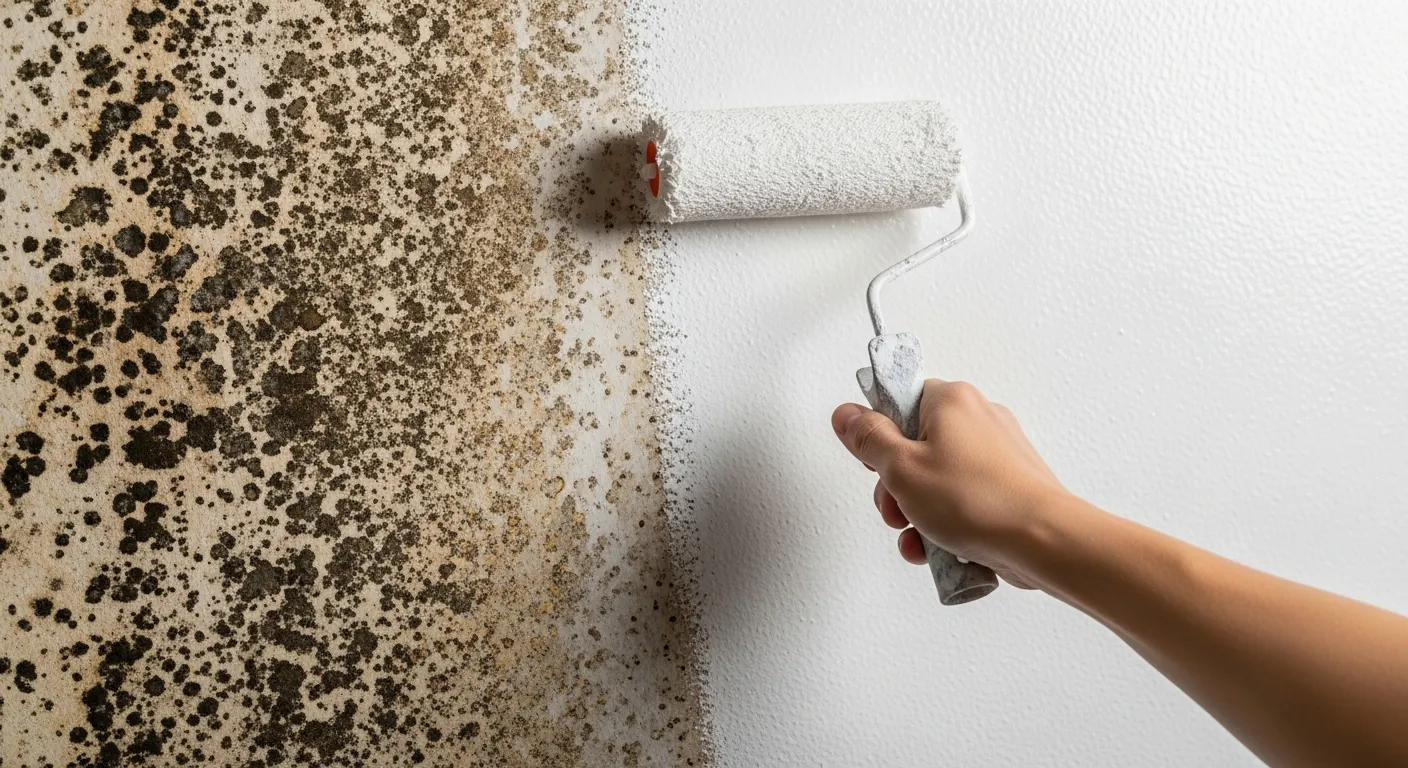
Mold-resistant paints are effective at preventing mold growth, but they have certain limitations, too. However, by following the tips mentioned below, the benefits of such paint can be maximized.
Clean the Surface- The benefit of mold-resistant paint can be maximized by preparing the surface. Clean the surface thoroughly to remove existing mold, as this will help the paint stick to the surface effectively.
Fix Moisture Issue- Identify any moisture-related issues, such as leaks or humidity, and get them fixed, which may involve fixing the plumbing problem or ensuring better ventilation. Use of a dehumidifier is also a solution to fix the issue.
Regular Maintenance- With little focus, you can easily ensure long-term mold protection for your home. Regular maintenance is key to it. All you need to do is keep a close watch for even the slightest sign of moisture or mold.
Is Painting Over the Mold a Good Idea?
No, it’s a bad idea because painting over the mold will worsen the condition. It’s a temporary fix for a complex problem that can lead to costly repairs later. It can also pose health hazards, as exposure to toxic mold can lead to respiratory issues.
Best Places to Use Mold-Resistant Paint
Though mold growth can take place in any part of the house, it usually occurs in warm and damp areas such as the kitchen, bathroom, basements, patios and decks, laundry rooms, and garages. Hence, these areas are the best place to use such paint.
Conclusion
Mold-resistant paint undoubtedly works if the surface is free from moisture or mold, as it prevents the mold and mildew growth. However, if there’s an existing mold growth, then merely painting the surface with such paint won't make much difference. The reason is that mold-resistant paint can’t help you get rid of the existing mold growth, but it can prevent fresh moisture buildup and mold growth.