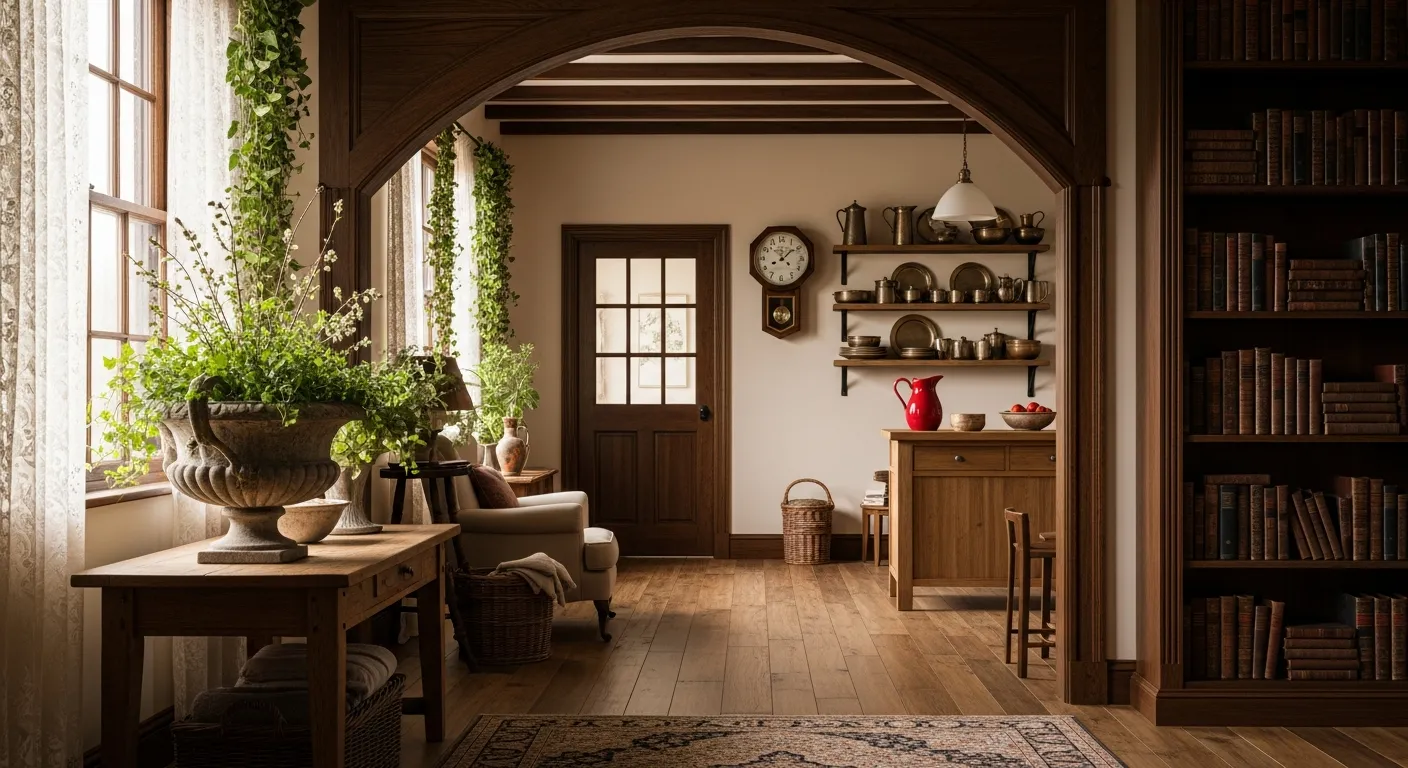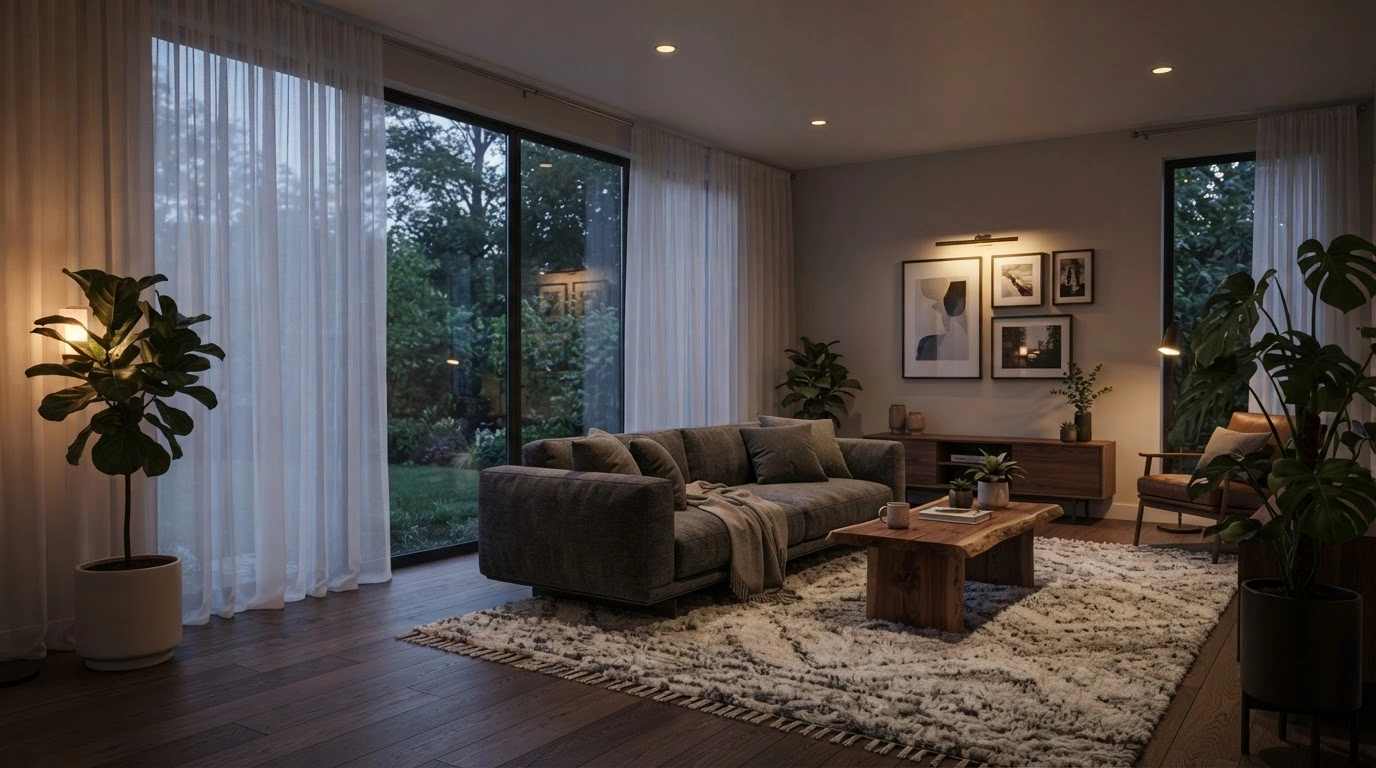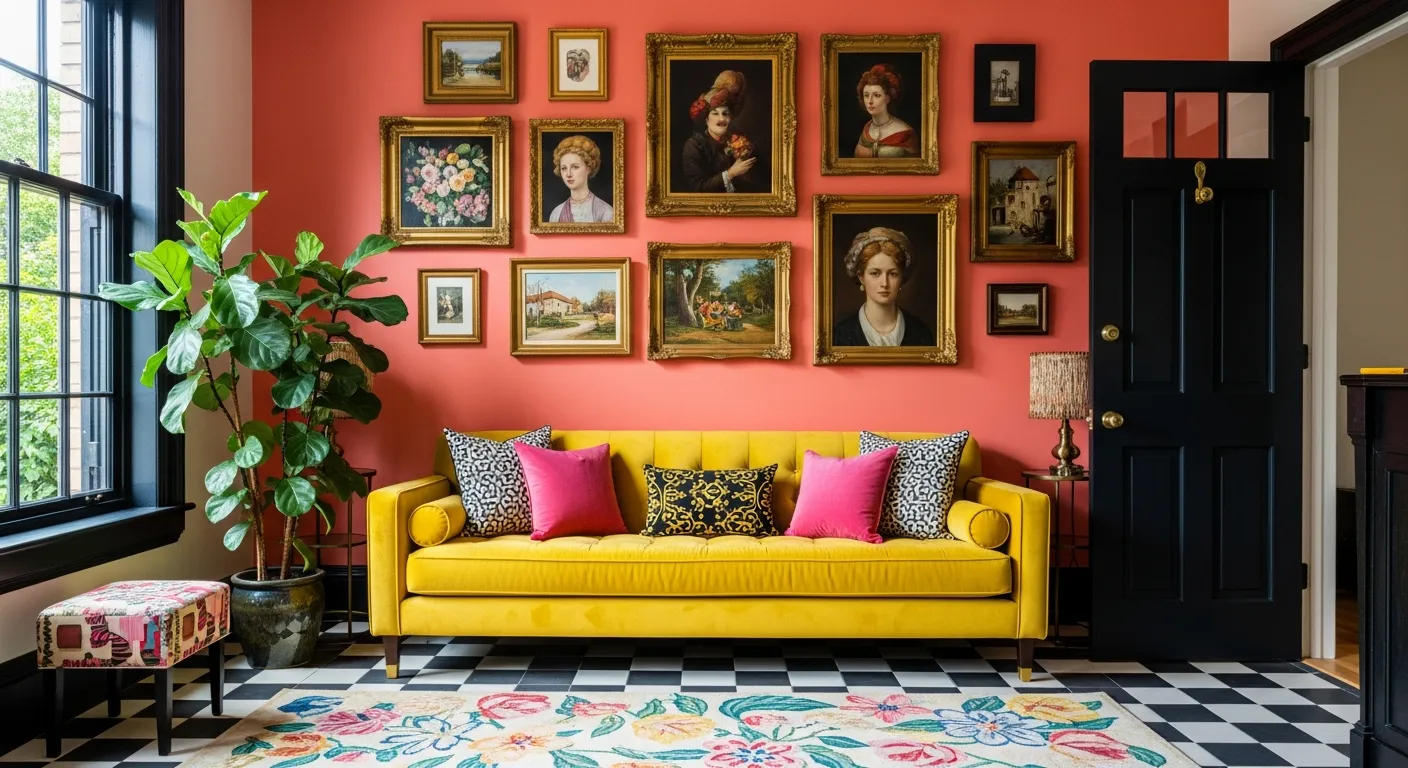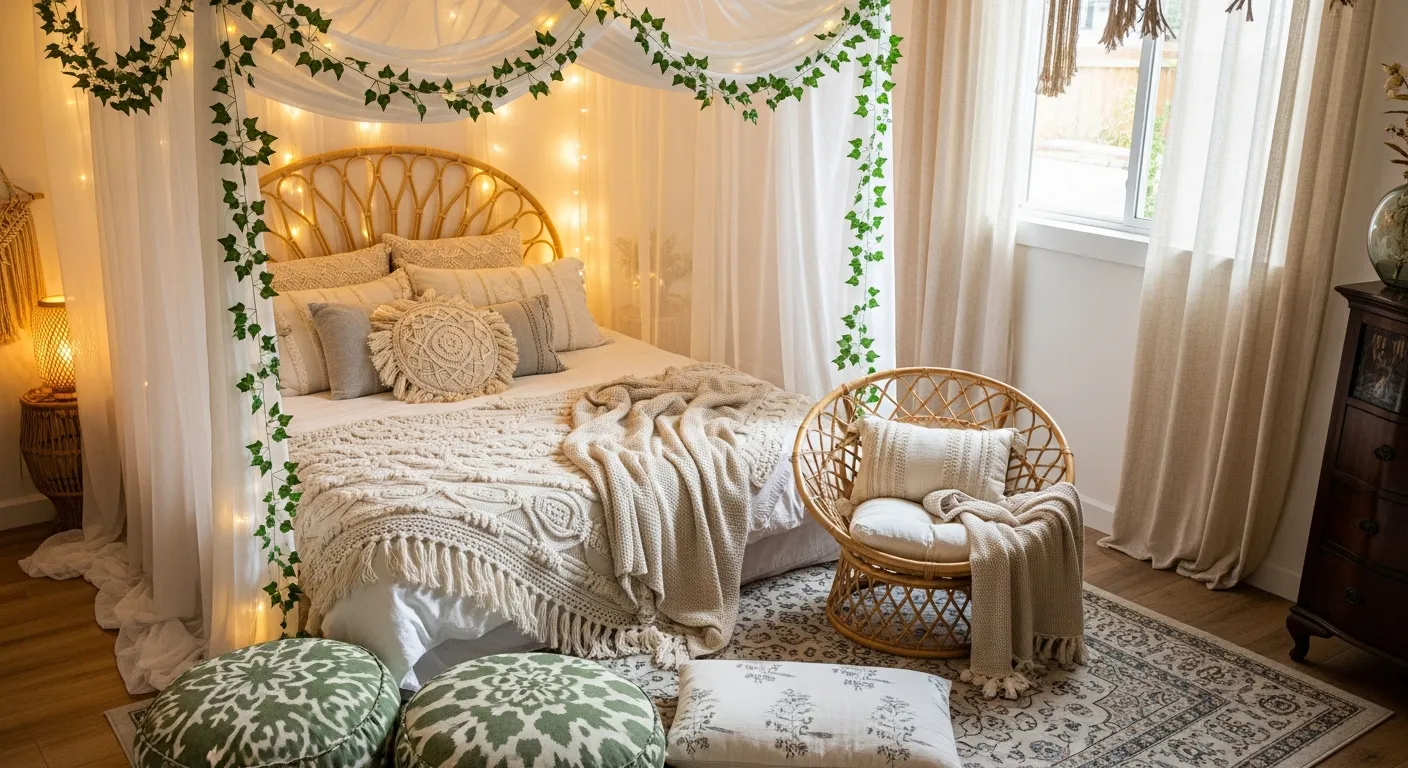
Cottagecore aesthetic centers on living a simpler, rural-inspired life that is more connected to nature. It can be traced back to English history, vintage foundations, and feminine overlays. It is one of the visually appealing home design trends found across popular social media platforms.
In this design, plants are hung from walls and ceilings. Wicker foraging baskets reflect an escapist, forest-inspired way of life. The space inspired by the cottagecore aesthetic often radiates comfort, self-reliance, and a quiet sense of personal freedom.
This timeless feature creates a space that is marked by warmth and slowness. This article covers a few ideas to build a cottagecore space and how it can add depth to a plain living space.
Inspos for Creating a Cottagecore Space
Below are a few factors and inspirations to consider while creating a unique cottagecore living space.
Add More Plants
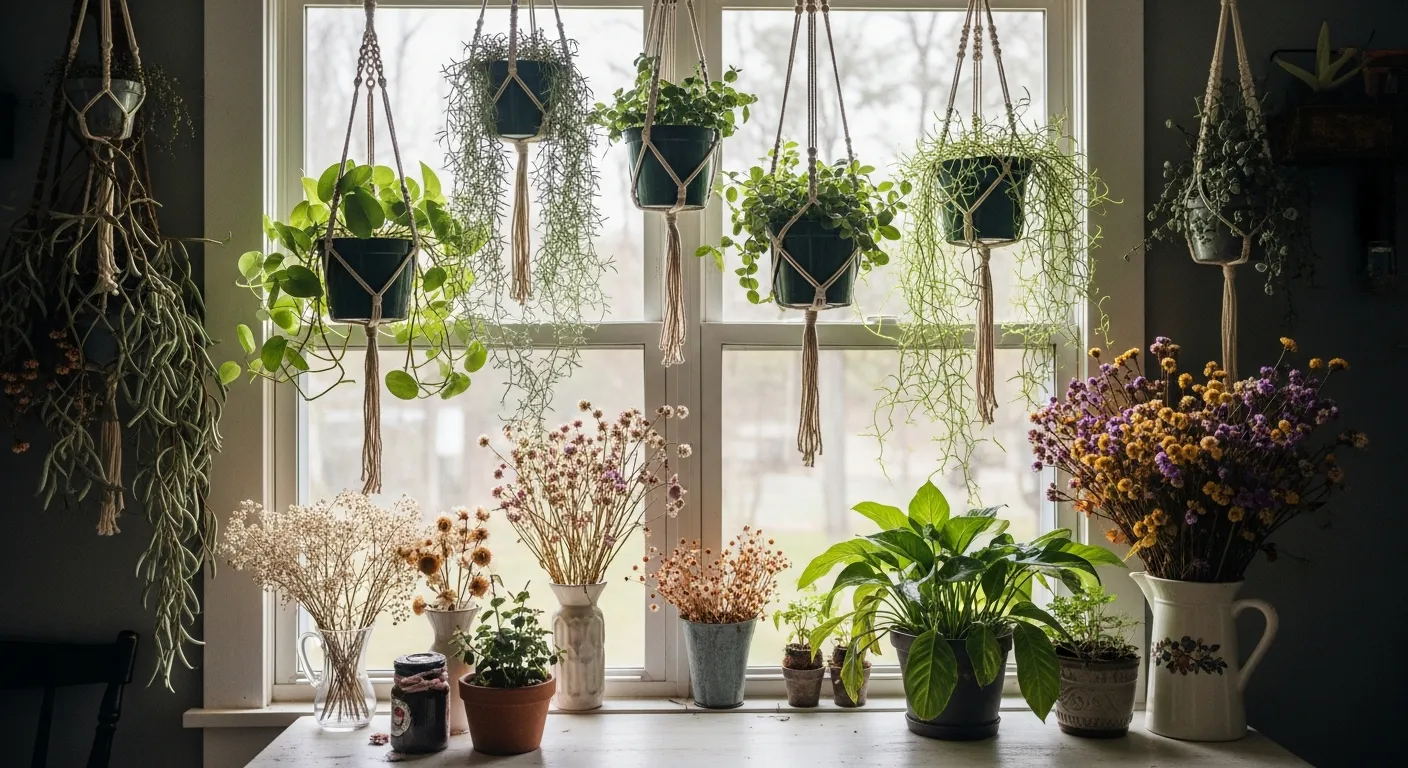
This particular aesthetic draws heavily from agrarian life and forest living. Live plants and dried flowers are essential elements in putting together a dreamy cottagecore room. Wild or dehydrated flowers look great when displayed in vintage vases.
Antique hanging planters work well when draped from the ceiling, and choosing plants that are native to the local area adds a nice personal touch. The idea of having too many plants is impossible in a cottagecore space. And if you’re not confident with plant care, faux plants and flowers work well. They carry the same visual look and require very little maintenance.
Vintage Bedding
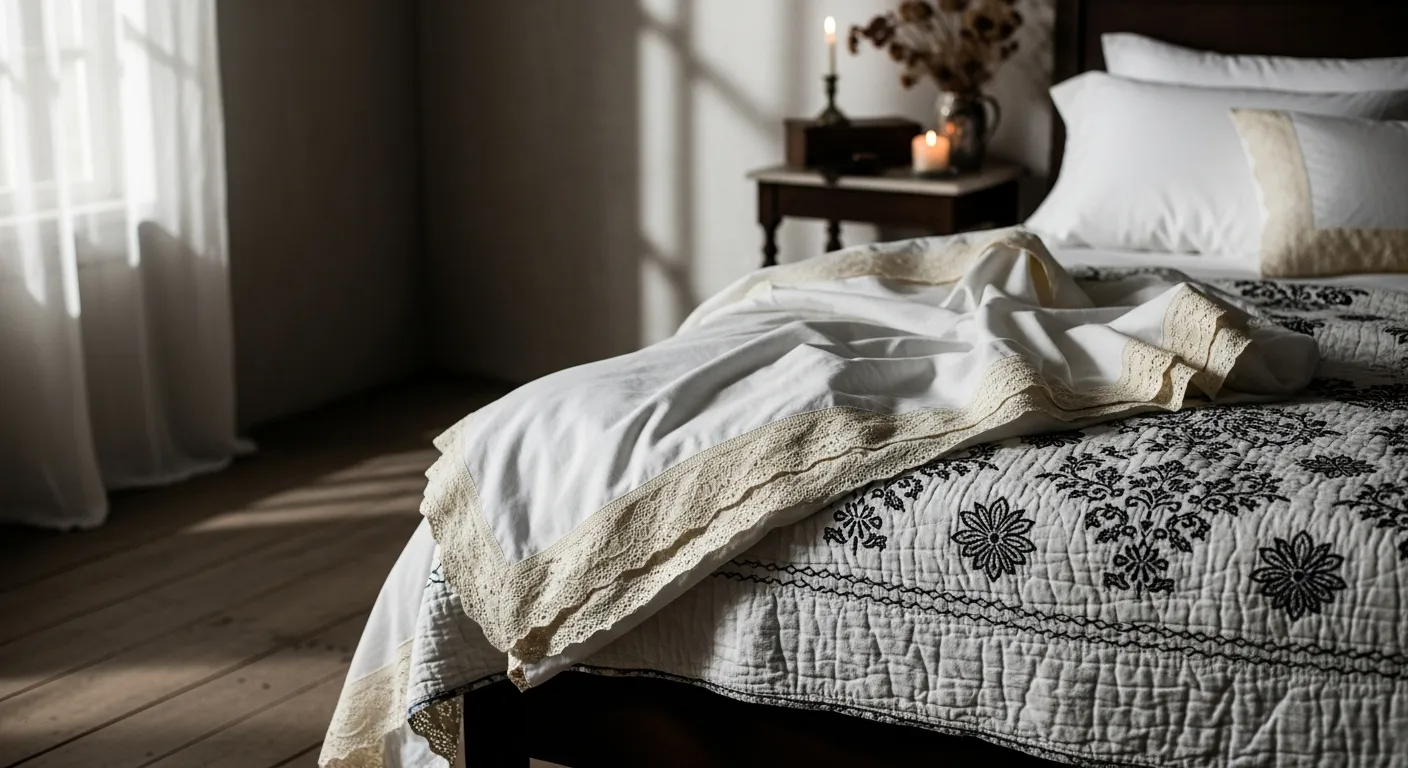
Vintage-inspired bedding sets the right tone before anything else goes into the space. Crisp white linens with delicate lace trim or heirloom-quality quilts with intricate stitching work beautifully for a dark cottagecore aesthetic. Vintage floral patterns and subtle damask designs add a sense of nostalgia that feels right at home. This gets the space ready for the darker, moodier accents that come later.
The Color Palette
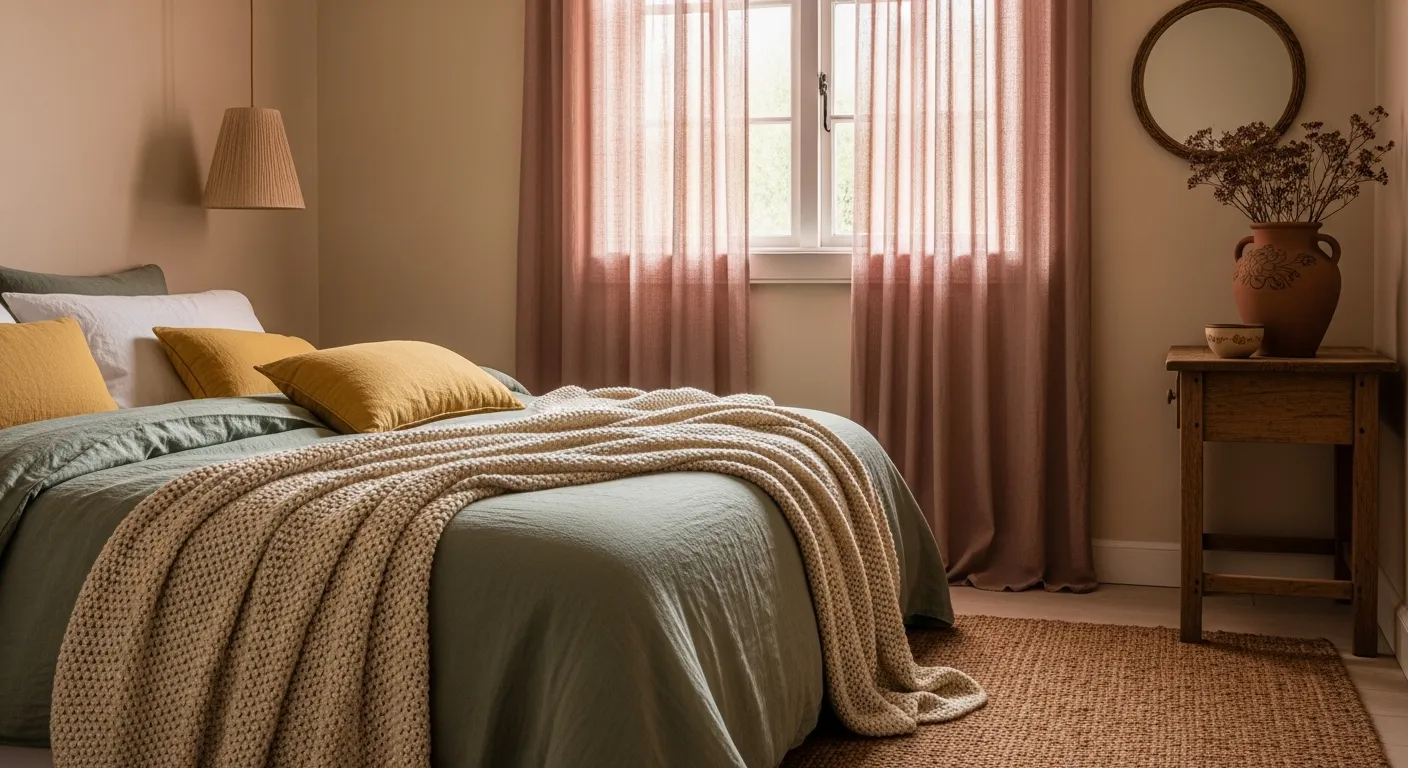
The cottagecore color palette is inspired by natural elements and vintage fabrics. Below are tones that are soft and muted, with a naturally time-worn finish.
- Sage green set well alongside cream and butter yellows.
- Dusty roses pair naturally with warm browns and terracotta.
- Layered neutrals and soft blues also find their place in this aesthetic.
It is important to keep in mind that the colors should feel organic, not too sharp. The base should always be neutral, whether ivory, linen white, or warm beige, on the walls. Nature-inspired tones can be layered in through bedding, curtains, and accessories. This also makes it easy to shift the space's mood without repainting.
Showcase Spices and Ingredients
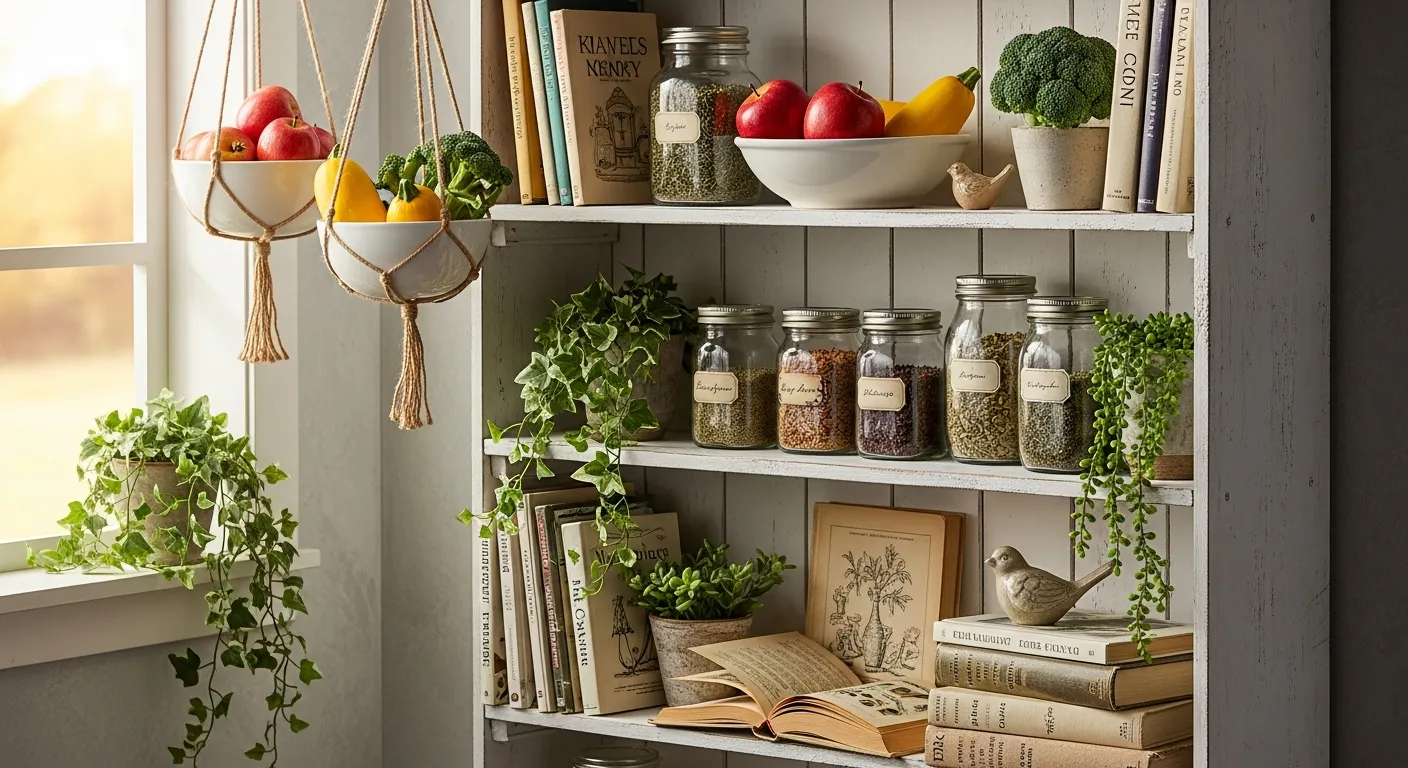
Along with plants and flowers, everyday items tied to cooking, baking, gardening, and general homemaking are also deeply connected to the cottagecore design. If you have a small kitchen, it is best to get creative with furniture to create more space.
A simple bookcase can be used to display dried herbs and spices in decorative jars and containers. Additionally, stack cookbooks, arrange small faux plants, and tuck in other little decor pieces to add character to the space.
Placing bright fruits and vegetables like apples, squash, and broccoli in suspended bowls adds color to the kitchen space. Handwritten labels on spice jars are a small but effective detail that enhances the cottagecore aesthetic of the space.
Create a Thoughtful Design Composition
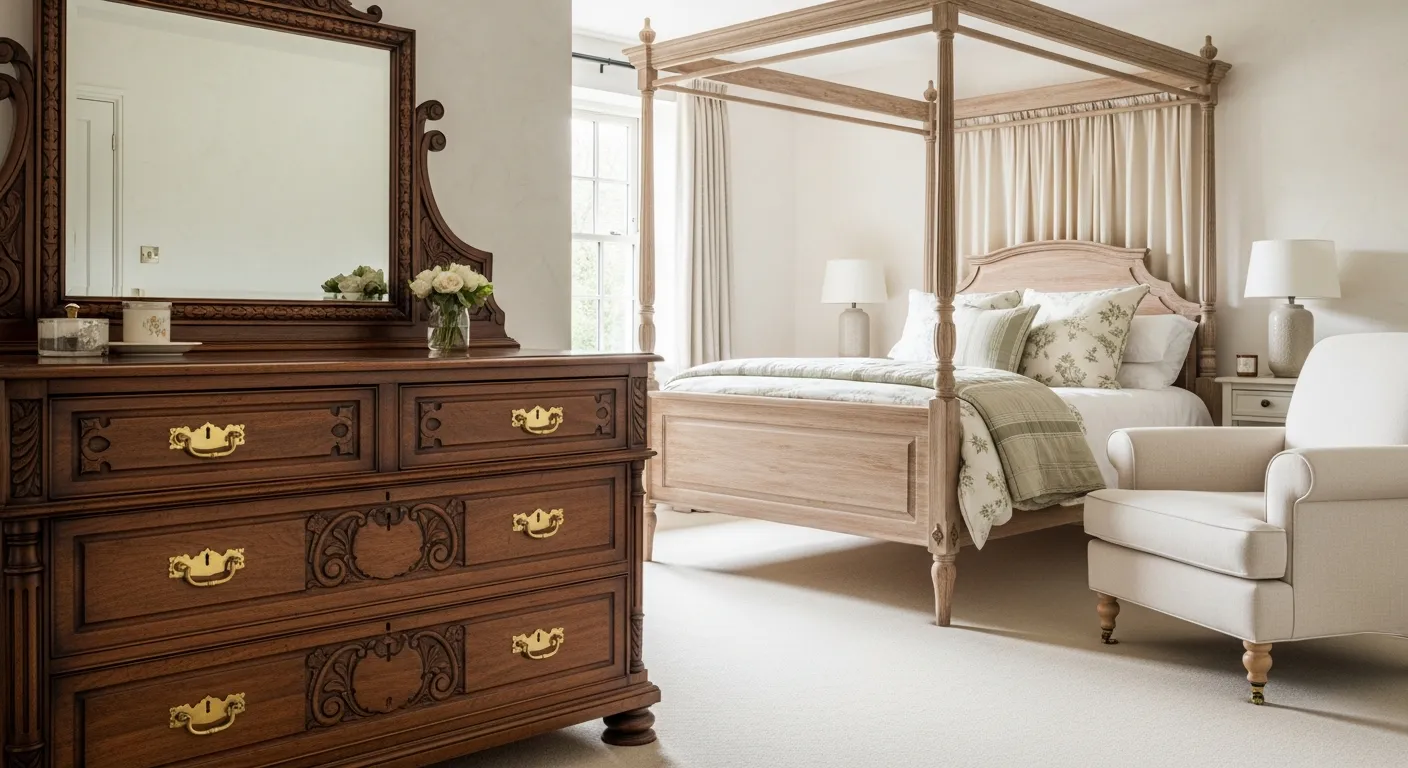
Building an authentic cottagecore bedroom significantly depends on its thoughtful design. The most effective approach is to combine authentic vintage with well-crafted reproductions rather than committing to either fully.
For example, homeowners can pair an antique dresser with new bedding in a traditional pattern. Even balancing a more ornate piece with simpler elements can keep the space from feeling cluttered.
It is best to adapt the rule of thirds here. If there are three main pieces of furniture in a room, one can be a statement vintage centerpiece, another a more antique reproduction, and the third can be a modern piece with classic detailing. This combination creates visual interest across the space while keeping the overall look cohesive.
Make Wallpaper the Focal Point
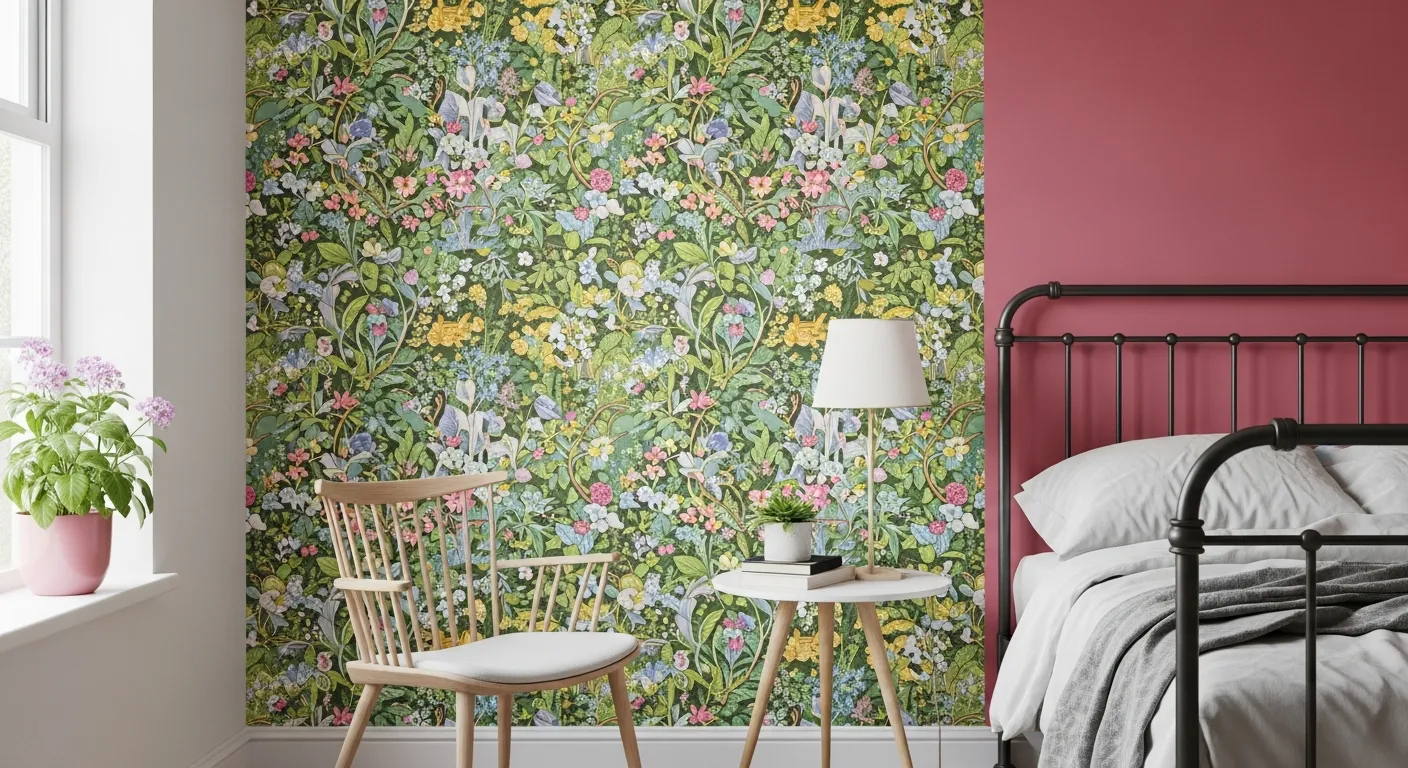
Vintage-inspired wallpaper has made a strong comeback in interiors inspired by cottagecore aesthetics. Floral or nature-detailed prints make for a striking backdrop to the rest of the decor.
One way to inculcate this style is to use wallpaper on a single accent wall with a bold, whimsical paint color. Another option would be to cover the entire room. None of the choices is wrong, and both can work well depending on the space.
For those who would rather skip installing real wallpaper, faux alternatives are widely available. They look equally good, and the effect they create is much the same.
Warm Lightings
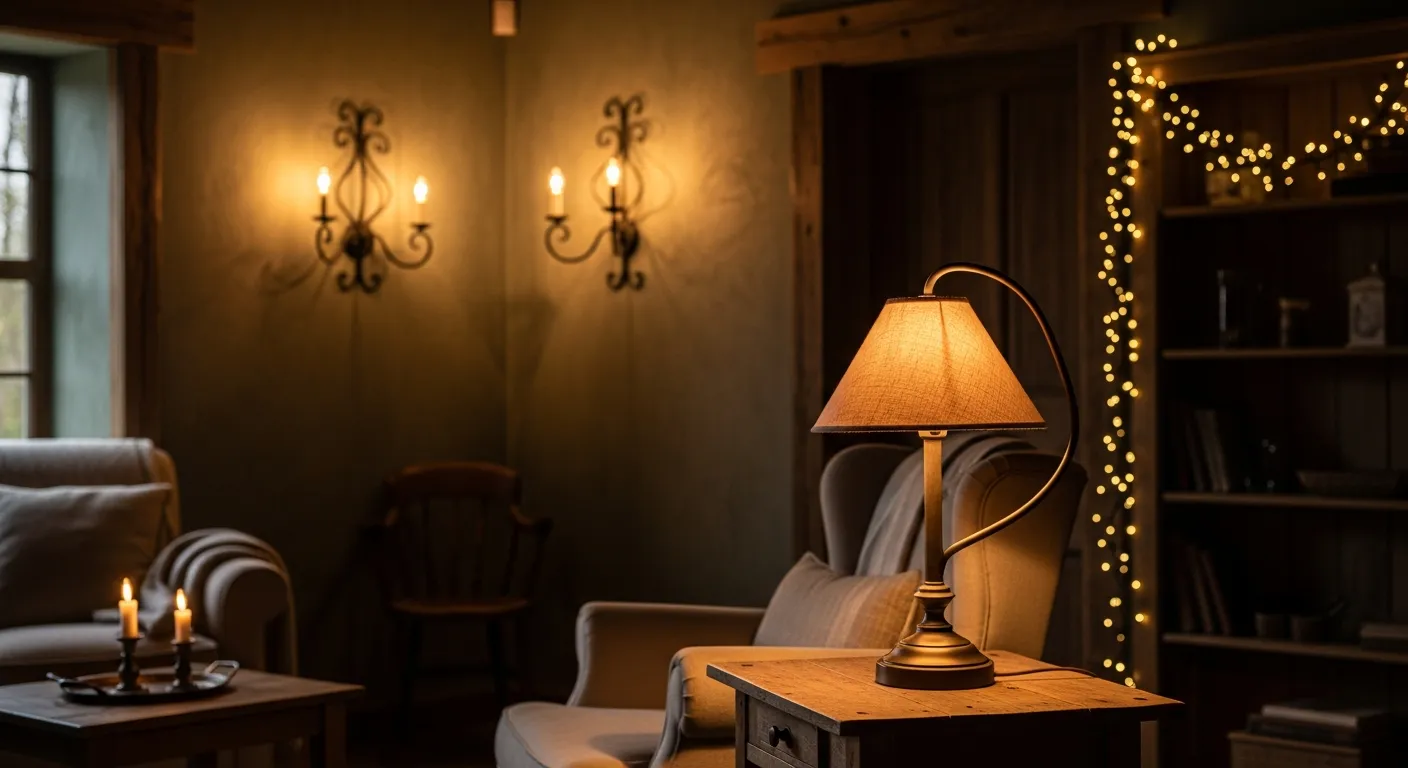
Cottagecore rooms, especially dark cottagecore rooms, feel incomplete without the right lighting. Warm lights give a tender glow of warmth that enhances the space and its environment. Vintage-inspired table lamps with softly diffused shades work well.
Antique scones fitted with candlelight bulbs that cast a gentle, warm glow across the room also make the space feel more inviting. Layering in fairy lights or draped string lights adds another level of warmth while maintaining cottagecore aesthetics.
Essential Decor Elements
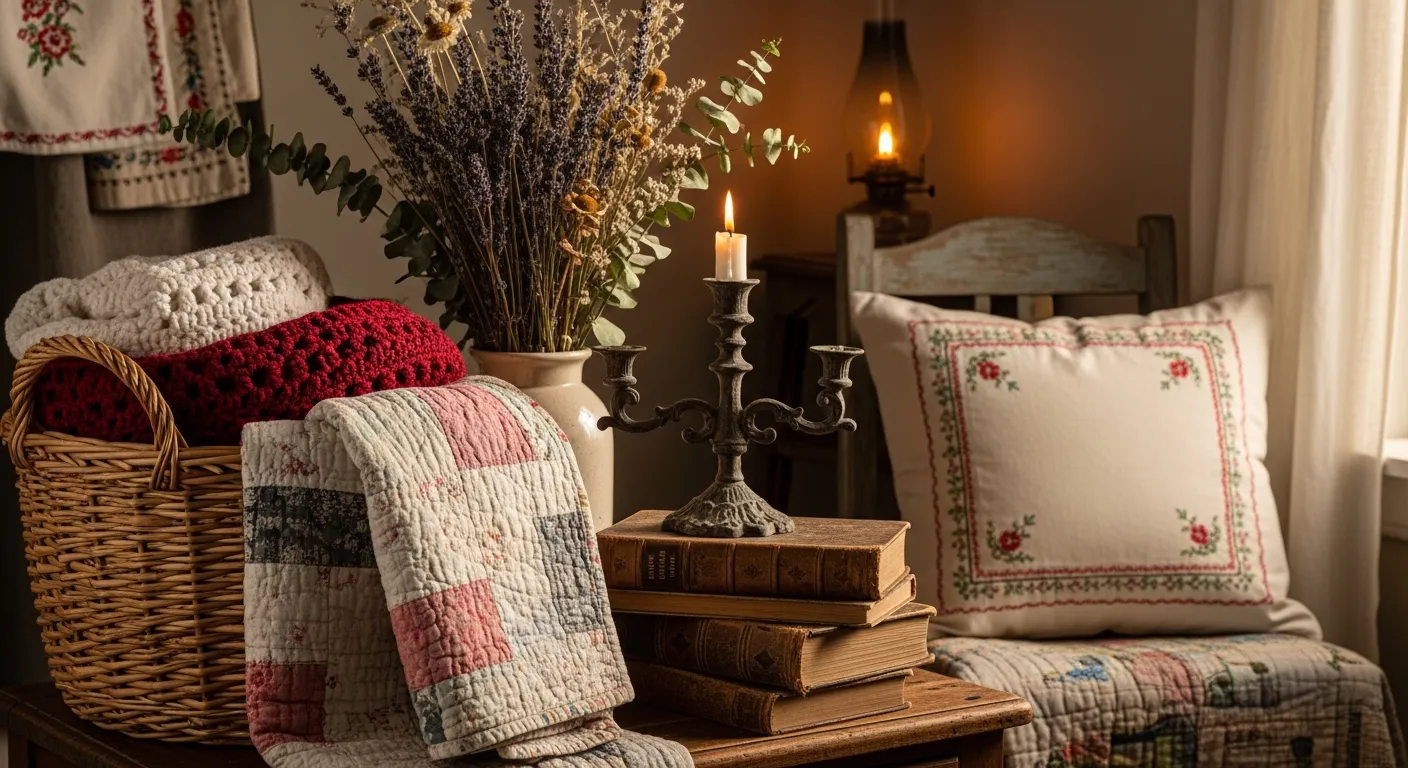
Woven Baskets and Dried Botanicals
Some pieces immediately highlight the cottagecore aesthetic, and their placement becomes very important in bringing a cottagecore space together. One such piece is woven baskets, which serve a practical purpose by storing blankets and throws. They also add texture and warmth to the space.
Dried flowers and herbs are another staple addition. Lavender bundles, eucalyptus sprays, and wildflower arrangements all work well and bring a touch of nature indoors year-round.
Vintage Books
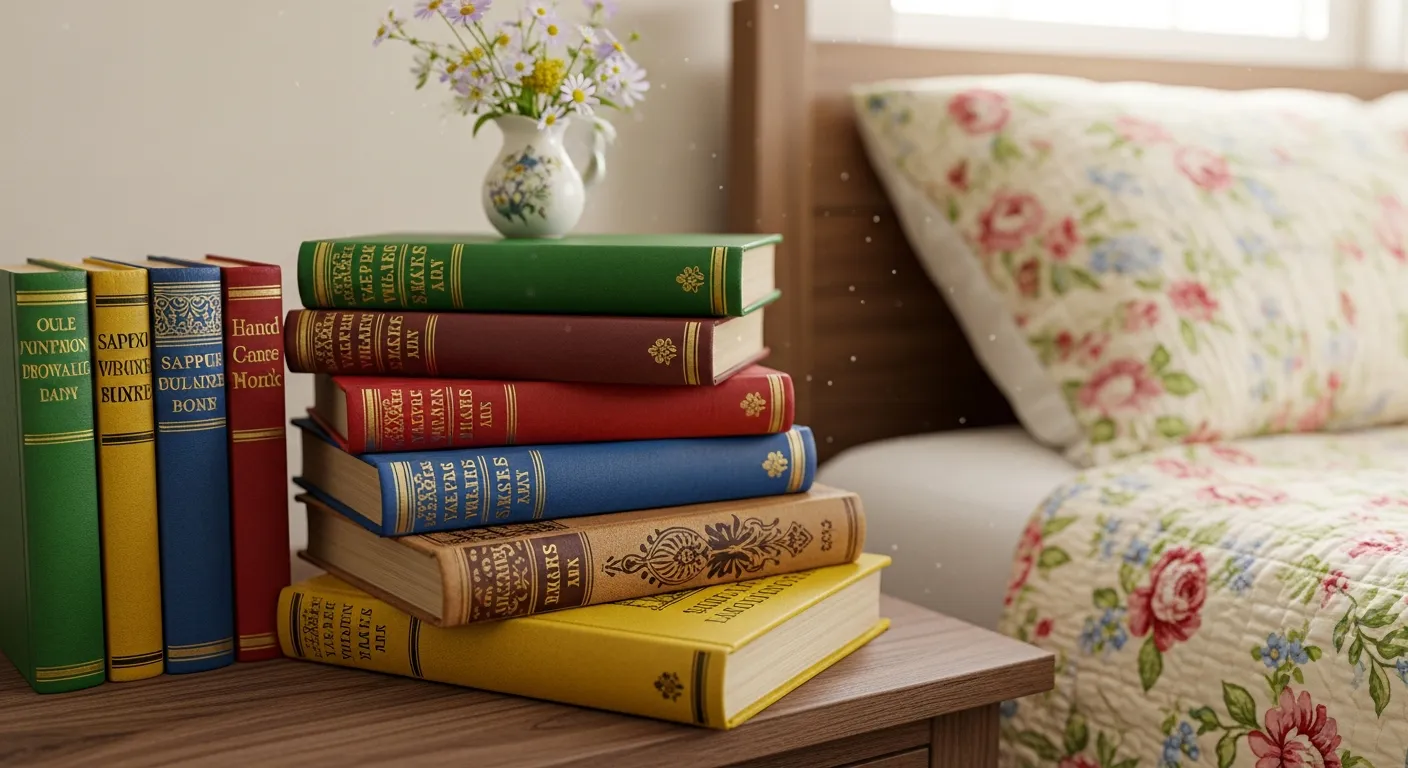
Vintage books add color and a sense of character when stacked on a nightstand or shelves. Even if not read, they feel collected and curated carefully over time, which is crucial to the cottagecore look.
Textiles and Natural Materials
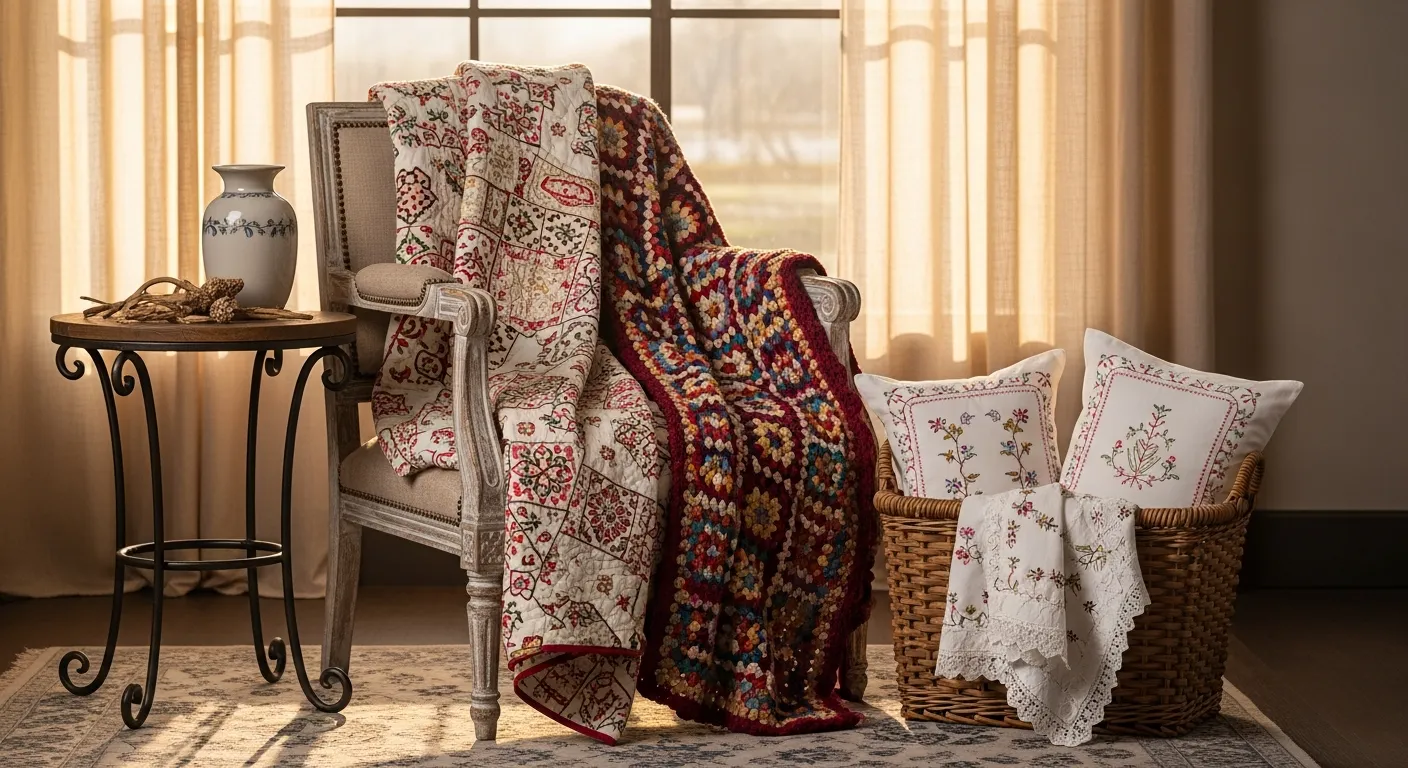
Quilts, crocheted blankets, and embroidered pillowcases help build up a layered feel through pattern and texture. Adding natural materials like wood, wicker, and iron grounds the space and keeps it balanced.
Lighting
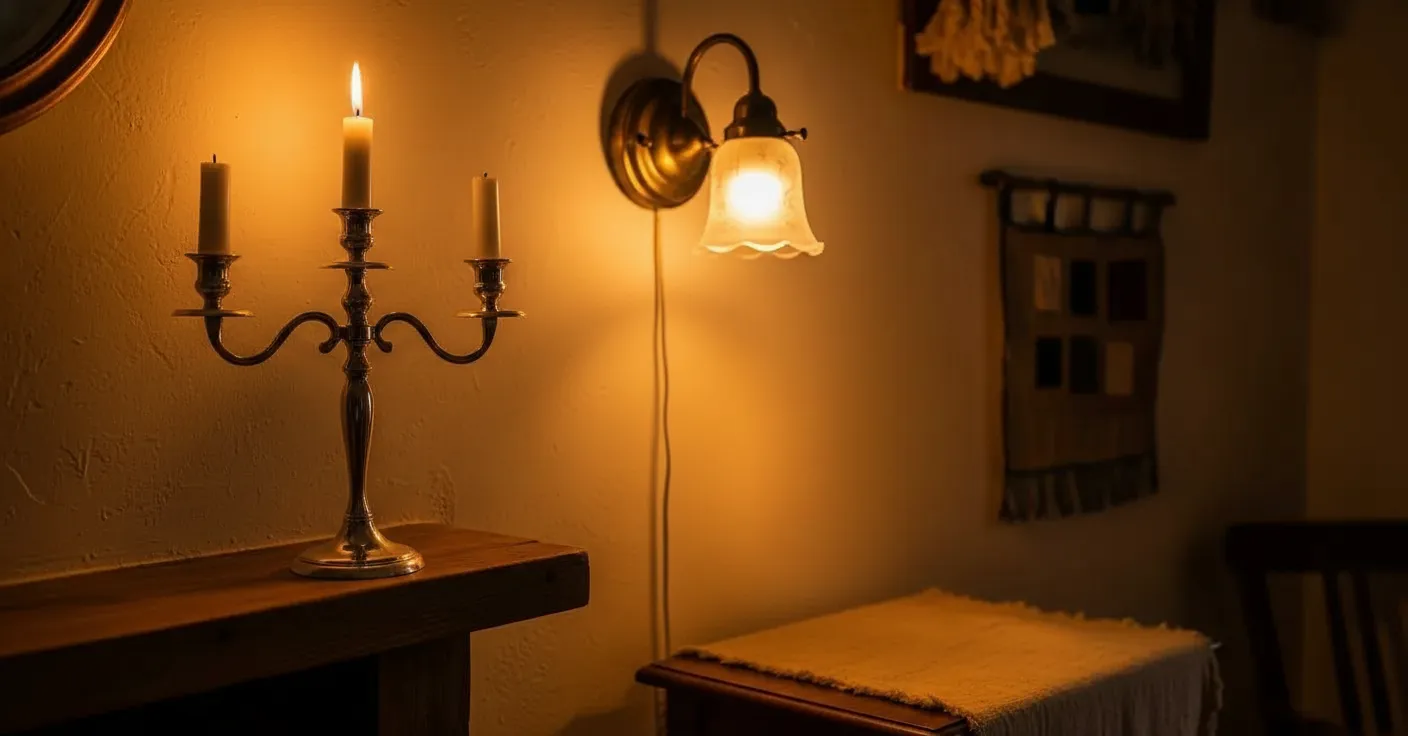
As mentioned before, lighting is a crucial element in the cottagecore aesthetic. For lighting, candlesticks, oil lamps, and vintage-style fixtures are considered essential. They set the tone of the room and create a layered lighting effect.
Vintage Furniture
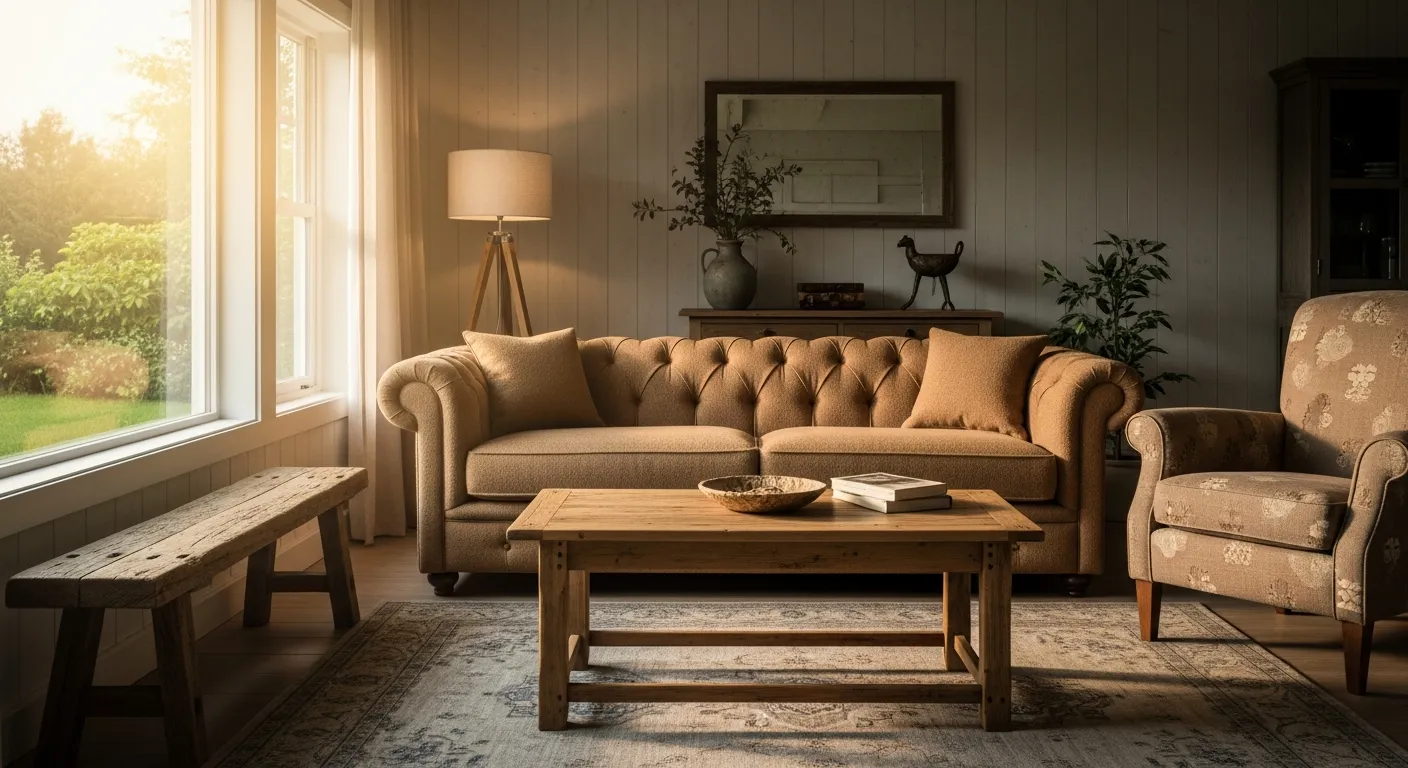
Vintage furniture, or furniture inspired by vintage design, works well with the cottagecore aesthetic. This also creates a nostalgic atmosphere that the aesthetic is known for. The same vintage look can also be achieved with newer pieces, as long as they follow classic themes. Here is how to make use of vintage-themed furniture in individual home spaces-
Dining Room: In the dining room, a warm-toned rustic farmhouse table paired with a classic, well-upholstered dining chair creates a welcoming atmosphere.
Bedroom: A statement paneled headboard paired with a matching dresser set works well. The focus here should be on warm wood tones, soft bedding, and an overall sense of comfort. This makes the room feel like a quiet retreat from the outside world.
Living Room: Opt for classically designed pieces in the living room. Furniture inspired by Chesterfield designs and rustic, textured fabrics like boucle bring that timeless quality to the space.
Adding a rustic bench is also worth considering as a finishing detail. Placed at the foot of a bed or near an entryway, it adds both functionality and charm to the space.
Window Treatments
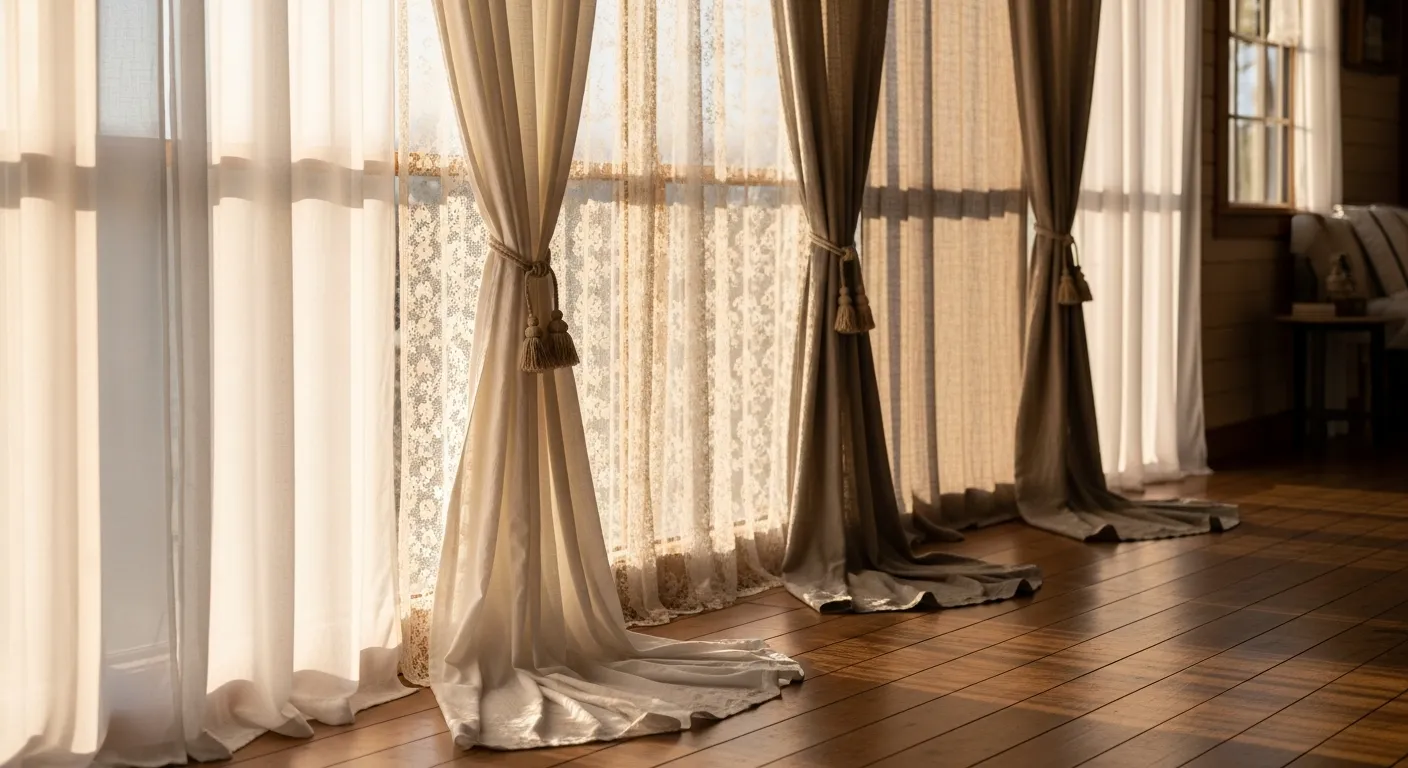
The treatment needs to be soft and romantic to sit and appreciate the aesthetic. Sheer curtains are a good starting point as they filter light in a gentle, diffused way that sets the mood right. Layering them with heavier linen or cotton panels adds privacy when needed and adds visual depth to the window.
One tip is that curtains in a cottagecore room should run a little longer than necessary. That slight puddle of fabric on the floor adds to the relaxed and romantic element of the space.
For smaller windows, vintage lace panels work particularly well. Mixing different fabric weights adds visual interest. Additionally, simple ribbon or rope tie-backs keep the look functional without losing the charm. The right curtains have a way of making even a plain modern window feel like it belongs to a countryside cottage.
Conclusion
The color, the textile, the plants, the furniture, the small objects, and the lighting all work together to materialize a cottagecore aesthetic. The best version of this aesthetic is one that feels genuinely personal. The point is to build a space that feels like a retreat from the cluttered outside world. This aesthetic makes the space feel like an antidote to the modern world, where things are curated and gathered with care. It promotes a slow way of living and is full of warmth.