

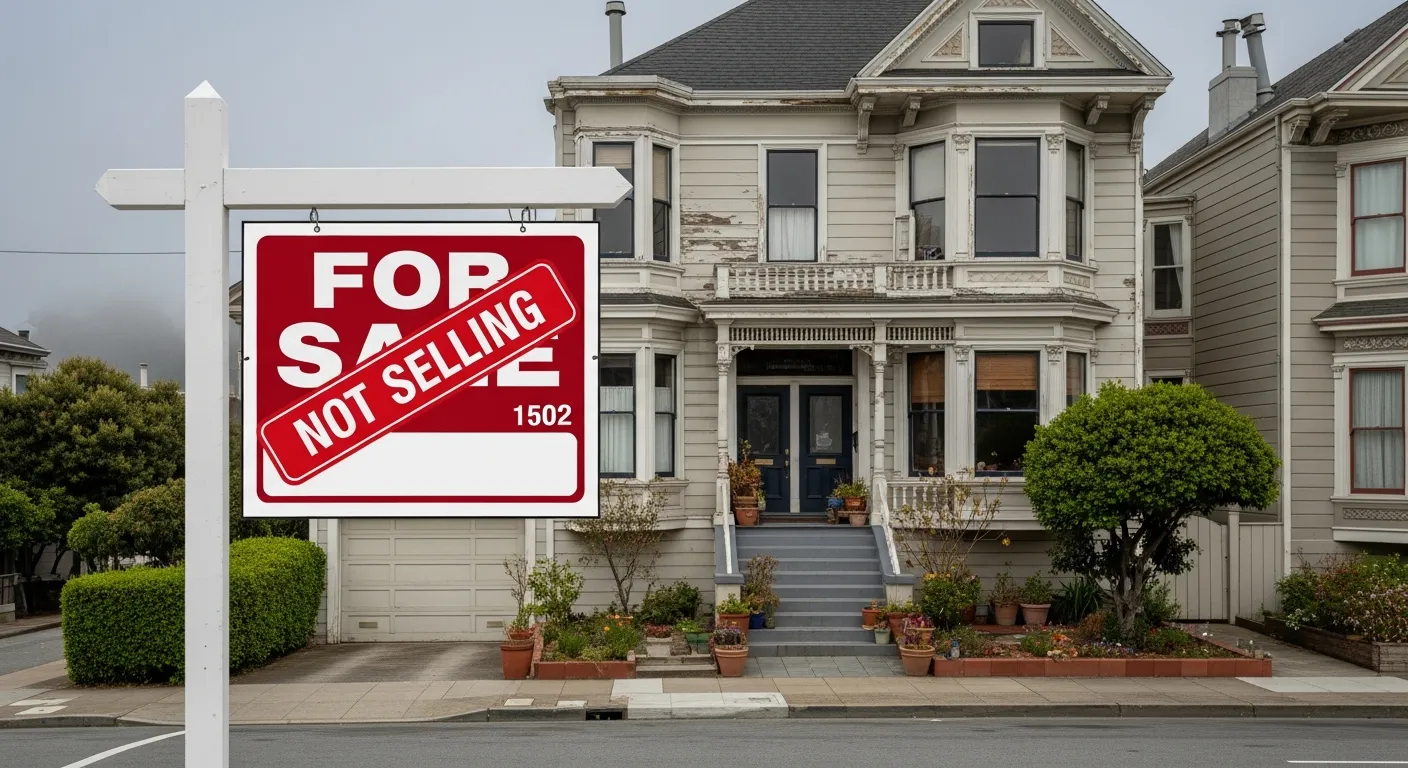
If your San Francisco home is not selling, you’re not alone. The San Francisco housing market has shifted heading into 2026, and many sellers are experiencing longer days on market than expected. What used to be a fast-paced, multiple-offer environment has evolved into something more measured—and more strategic.
The good news? Homes are still selling. But in today’s market, success depends less on timing and more on execution. If your listing is sitting, it’s usually not bad luck—it’s a signal to adjust your approach.
Understanding the 2026 Market Shift
According to HomeLight’s Top Agent Insights Housing Market Outlook & Predictions for 2026, agents across the country agree that the market slowdown is easing, but conditions are far more balanced than before. Inventory is expected to increase as more sellers re-enter the market, giving buyers more choices and leverage.
At the same time, buyers are navigating affordability challenges due to mortgage rates, making them more selective. This combination explains why homes sit on the market longer—and why strategy matters more than ever when selling a home in San Francisco.
1. Your Home May Be Overpriced
Pricing remains the number one reason a home doesn’t sell. In fact, HomeLight reports that accurate pricing is one of the biggest factors influencing how quickly a home sells.
In a shifting market, yesterday’s comparable sales may no longer reflect today’s buyer expectations. Many sellers make the mistake of pricing high to “test the market,” only to later reduce the price. Unfortunately, price reductions can weaken your position and signal to buyers that something is off.
What to do instead:
Work with one of the top real estate agents in San Francisco to analyze real-time data and price your home competitively from the start. In many cases, pricing slightly below market can generate more interest and even multiple offers.
2. Your Presentation Isn’t Compelling
Today’s buyers start their search online—and they make quick decisions based on what they see. Poor listing photos, lack of staging, or outdated interiors can turn buyers away before they ever schedule a showing.
Agents in the 2026 outlook emphasize a “digital-first” approach, including high-quality photos, video tours, and a clean, modern presentation.
What to do instead:
Invest in professional photography, declutter your space, and consider staging. Your goal is to make the home feel move-in ready and visually appealing, both online and in person.
3. You Missed the First 10–14 Days Window
The first two weeks your home is on the market are critical. This is when your listing gets the most exposure and attention. If your pricing or presentation is off during this window, you may miss your best chance to generate momentum.
HomeLight insights highlight that sellers should treat this early period as a “make-or-break,” adjusting quickly based on feedback.
What to do instead:
Monitor showing activity and buyer feedback closely. If interest is low, don’t wait—adjust your price or marketing strategy early rather than letting your listing stagnate.
4. Buyers Are More Price-Sensitive
Affordability remains a key concern in the San Francisco housing market 2026. Higher mortgage rates mean buyers are focusing more on monthly payments than ever before.
This shift has changed buyer behavior. They are more cautious, more analytical, and less willing to overpay.
What to do instead:
Consider offering incentives, such as closing-cost assistance or rate buydowns. In some cases, working with cash home buyers in San Francisco can also be a practical option if speed and certainty are priorities.
5. Increased Inventory Means More Competition
With more listings entering the market, your home is no longer competing in a vacuum. Buyers now have options—and they’re comparing them carefully.
If your home doesn’t stand out in terms of value, condition, or presentation, it may simply be overlooked.
What to do instead:
Study competing listings in your neighborhood. Make sure your home is positioned as one of the best options in its price range, not just another choice.
6. Your Home Needs Strategic Updates
Sometimes, the issue isn’t price or marketing—it’s the condition of the home itself. Minor repairs, outdated finishes, or deferred maintenance can create hesitation for buyers.
In today’s market, buyers prefer homes that feel turnkey and require minimal effort.
What to do instead:
Focus on high-impact improvements like fresh paint, lighting updates, and small repairs. A pre-listing inspection can also help identify and resolve issues before buyers do.
Final Thoughts: Adjust, Don’t Panic
If your home isn’t selling, it doesn’t mean the market is broken—it means your strategy needs refining. The 2026 market is not about extremes; it’s about balance, precision, and responsiveness.
By pricing correctly, presenting your home effectively, and adapting quickly to feedback, you can reposition your listing for success. In a market like San Francisco, where demand still exists, the right home selling strategy makes all the difference.
The key isn’t to wait—it’s to act smarter.


