

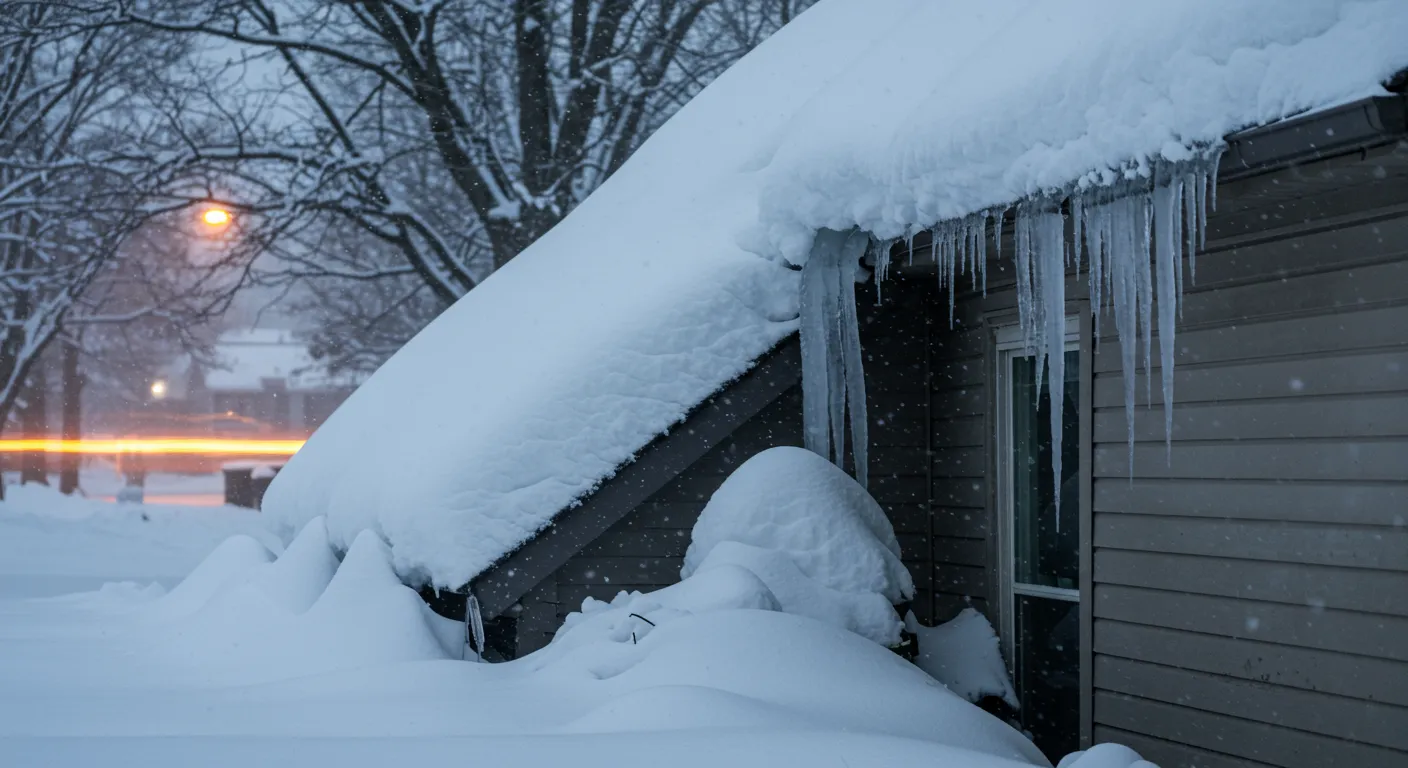
Winter weather can be difficult on both the interior and exterior of a home. Snow buildup, melting ice, and extreme temperatures can cause significant damage to the home’s structure and systems. While winter can be intimidating to prepare for, proper precautions can mitigate a lot of damage. If you're going through your first winter as a homeowner or simply want to better prepare for winter, it's a smart first step to be aware of the threats you and your home can face in extremely cold temperatures.
Roof Damage or Collapse
Snow is significantly heavy. Just a single foot of snow can weigh over 20 pounds, making it a major stress on your roof. If you have a flat or low-pitch roof, these types bear even more weight of snow due to the increased buildup. All this weight sits and damages your roof over time. Eventually, heavy snow loads can even lead to roof collapse without proper maintenance and replacement when necessary. Extreme temperatures from the ice and snow on your roof can also cause cracking in many types of roofing.
Ice Dams: Mold Growth and Water Damage
Snow buildup on the roof often causes ice dams, where warmer temperatures melt the snow, causing it to run down and refreeze at the edges of the roof. Ice dams block more water from draining there, causing the melted snow to gather on your roof. Eventually, this melted snow can penetrate and leak through to your home, causing extensive water damage and mold growth in the house.
Frozen or Burst Pipes
Snow doesn't just affect the home's roof systems. The plumbing can take a significant hit during winter weather, especially in older homes where pipes aren't insulated. Temperatures below freezing can also cause pipes to freeze. Water expands as it freezes, putting strain on the pipes. A frozen pipe can break or burst, resulting in expensive pipe replacement and potential interior flooding. Flood damage can ruin interiors, cause mold, break electronics, and cause electrocution hazards near exposed wires.
Gutter or Siding Damage
Heavy snow and ice can also affect your gutters and home siding. The weight of the snow can pull your gutters away from the home. Replacing a gutter may not be the most expensive repair, but it can lead to water damage if proper drainage is not maintained. Gutters torn from your home can also damage the trim and siding, especially during extreme temperatures or with additional snow buildup. Siding is significantly more expensive to replace, and it can make your home more vulnerable to damage.
Blocked Vents or Exhaust
Ice and snow can easily block exhaust vents for your home's heating system. Dryers, water heaters, and furnaces all rely on exhaust vents to function properly. Blocking these vents can trap heat in your home, leading to fire hazards. For systems that produce carbon monoxide, this odorless and colorless gas can also build up in your home due to snow covering a vent. Carbon monoxide can kill both people and pets inside quickly. While CO detectors can warn you, blocked vents should be avoided at all costs.
Health Hazards
Low temperatures and ice can be deadly, especially if you're older, immunocompromised, or disabled. Small children are also vulnerable to the effects of freezing temperatures. An improperly insulated home during winter can be extremely difficult to keep warm, which can be dangerous. Broken windows, roofs, or doors can exacerbate this effect. Ice can make it easy to slip and fall around home exteriors, which can easily cause broken bones, concussions, or death.
HVAC Failure
Your heating system has to work hard in the winter to prevent heat loss. The colder it is outside, the longer and harder it runs. This excessive workload can put strain on even the newer HVAC systems, increasing the risk of damage or maintenance issues sooner. A total failure is common, especially with older systems, clogged HVAC filters, or other pre-existing problems.
Foundation Damage
When snowfall gathers around your home’s exterior and foundation, it can cause significant damage due to fluctuating temperatures. Melting snow can cause flooding in your home's foundation, potentially leading to water and mold damage in the basement or other lower levels of your home. Extreme cold or fluctuating temperatures can even cause masonry, such as brick or concrete, to crack. These problems can be exacerbated when there isn't sufficient drainage on your property. Clearing the snow around your home and driveway can help keep the structure sturdy and prevent mold growth. Less snow also means less ice, which can be a significant hazard for falls or accidents around the home as well. You can clear snow in your yard with a shovel, blower, or even a plow. If you have limited mobility or are concerned about safety, professionals have industrial-grade removal equipment to tackle any project. They can even use a tractor snow blade if necessary for large yards or significant buildup.
Fire Hazards
Homeowners are often tempted to use portable heaters to save money on their energy bills or to increase the temperature in their homes quickly. When used properly, portable heaters can be a safe option. However, when placed near flammable objects, plugged into an extension cord, or left unsupervised, heaters can easily cause house fires. Fires caused by portable heaters in winter are quite common. The use of unsupervised flame lanterns or candles has a similar effect.
Conclusion
Preparing your home for winter can be a daunting task. Ensuring your home is properly insulated and well-maintained can help keep all occupants safe and warm. When using heaters, ensure they are used safely and supervised. Keep your roof maintained and insulated to prevent snow or water damage. Ensure snow is plowed away from your driveway and foundation to keep the surfaces safe and free from water damage. Insulate your pipes and leave the faucet dripping during extremely cold temperatures to prevent frozen pipes. Knowing the dangers of winter weather to your home and family, as well as learning how to avoid these issues, can help you enjoy a safe and happier home year-round.


