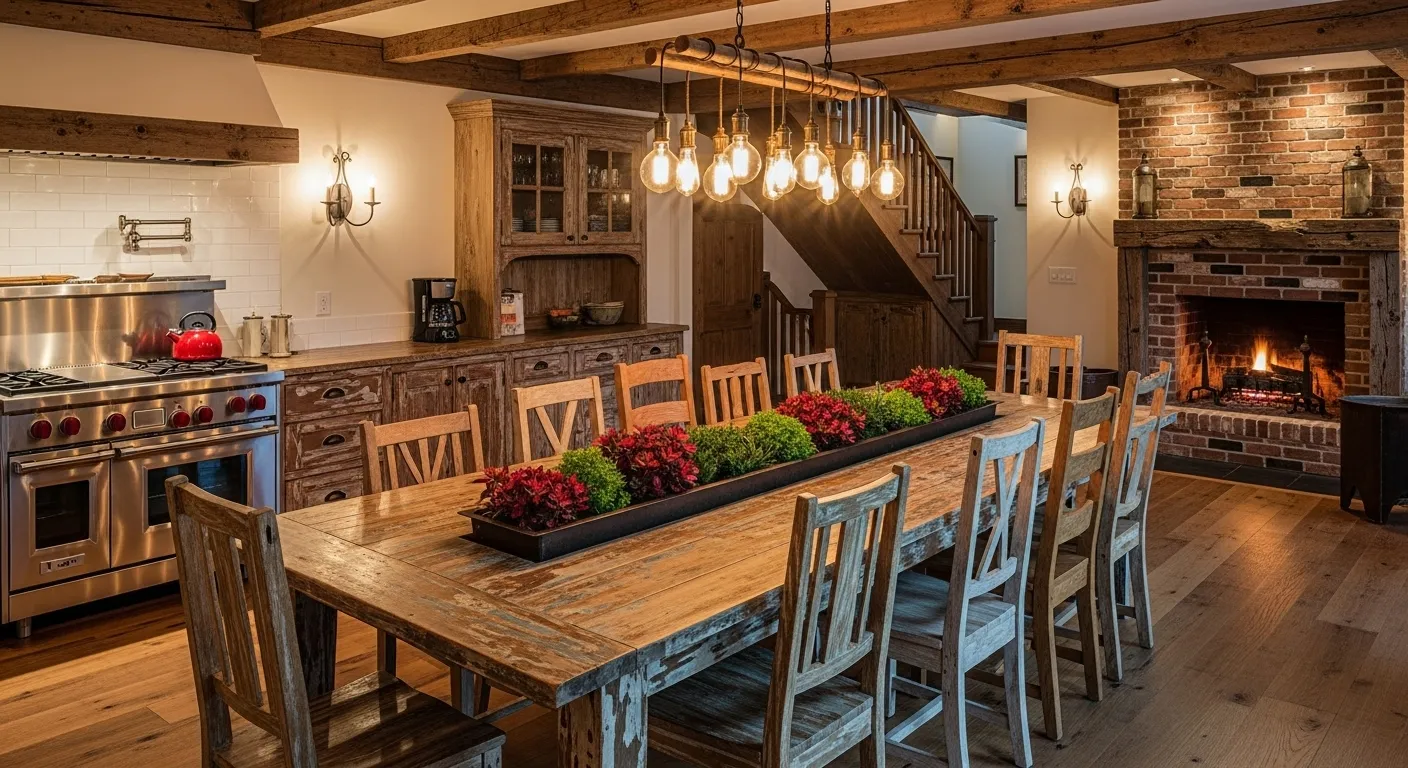
Split-house designs can transform modern family living with their unique, staggered levels that blend functionality and style. You'll find efficient use of space, creating distinct zones for various activities while maintaining an open flow. However, consider potential privacy issues and maintenance challenges that come with multi-level layouts. To maximize your space, incorporate multifunctional areas, visual dividers, and natural light enhancements. Look at real-life examples that showcase how families creatively adapt these designs to meet their needs. Explore more ideas to elevate your home's layout while balancing communal living and personal retreats.
Overview of Split-House Designs
Split-house designs offer a unique architectural approach that combines functionality with aesthetic appeal. This layout, characterized by staggered levels, creates distinct yet interconnected living spaces.
In recent years, split level architecture has emerged as a popular choice among homeowners looking to embrace modern design trends while maximizing space efficiency.
You'll find that split-house designs often feature open floor plans, blending the living, dining, and kitchen areas seamlessly. This fosters a sense of spaciousness, allowing natural light to flow freely throughout the home.
Additionally, the varying levels can create visual interest, breaking away from traditional single-story layouts.
Consider how this architecture encourages freedom in customization. You can easily adapt the design to suit your lifestyle, whether you prefer separate zones for family activities or a more integrated communal feel.
The flexibility of split-house designs allows you to play with materials, colors, and textures, aligning with contemporary aesthetics while maintaining practicality.
Ultimately, embracing split-house designs means opting for a home that reflects your individuality, offering both comfort and style.
This approach not only meets modern needs but also stands as a demonstration to evolving design philosophies in residential architecture.
Advantages of Split-House Layouts
One of the key benefits of a split-house layout is its efficient use of space, which allows you to maximize both functionality and aesthetic appeal. By creating distinct functional zones, you can cater to various family dynamics, enabling each member to thrive in their environment.
For instance, you might design a quiet area for work or study, while another space can serve as a lively gathering spot for family activities.
The separation of levels also fosters privacy. Parents can enjoy a retreat away from the hustle and bustle of children's play, while kids have their own designated areas to unwind or entertain friends.
This layout encourages communication and interaction without sacrificing personal space, striking a perfect balance for modern families.
Moreover, split-house designs often incorporate natural light through strategically placed windows and open areas, enhancing the overall ambiance.
The flow between spaces can promote a sense of freedom, allowing you to navigate your home effortlessly.
You'll find that the thoughtful arrangement of functional zones not only meets your family's needs but also provides an adaptable foundation for future changes in family dynamics, ensuring your home evolves with you.
Disadvantages to Consider
While split-house designs offer numerous advantages, there are several disadvantages to contemplate that could impact your decision. One major concern is privacy. With shared living spaces often located near bedrooms, noise issues can arise, disrupting your personal sanctuary. You might find it challenging to maintain tranquility, especially if family members have different schedules or activities.
Moreover, design limitations can restrict your creativity. The layout may not suit all lifestyles, making it difficult to customize spaces to meet your family's unique needs. For instance, if one level is dedicated to sleeping areas, you might struggle to create a flexible environment for work or play.
Maintenance challenges also come into play. Multi-level homes can be harder to clean and upkeep, particularly if you're not keen on climbing stairs regularly. Keeping track of repairs across different levels can add to your stress, especially if you have a busy lifestyle. For families who decide the upkeep is no longer worth the hassle, services like we buy houses St. Louis can offer a quick and convenient way to move forward.
Ultimately, weighing these disadvantages against the benefits is essential. You'll want to guarantee that your split-house design aligns with your vision of a harmonious, functional home that caters to your family's needs while maintaining the freedom you crave.
Creative Layout Ideas
When envisioning a split-house design, innovative layout ideas can transform your space into a functional and aesthetically pleasing environment. One effective approach is to utilize open floorplans that seamlessly connect living, dining, and kitchen areas. This design fosters a sense of spaciousness, allowing for easy movement and interaction among family members.
You'll appreciate how removing walls can enhance natural light, creating a warm and inviting atmosphere.
Incorporating multifunctional spaces is another clever strategy. Think of a den that doubles as a guest room or a home office that can transform into a play area. By investing in convertible furniture, like a sofa bed or a foldable desk, you can adapt your space to meet various needs without sacrificing style.
Consider adding visual dividers, such as bookshelves or sliding doors, to delineate different zones within an open layout. This way, you maintain the benefits of openness while still offering privacy when necessary.
Tips for Maximizing Space
Maximizing space in a split-house design requires strategic planning and thoughtful execution. Start by evaluating your needs and identifying areas where space feels cramped. Incorporate space-saving solutions such as built-in shelving and wall-mounted storage to keep floors clear.
Think vertically—using wall space helps you store items without sacrificing square footage.
Invest in multifunctional furniture that serves more than one purpose. For instance, a sofa bed can transform your living area into a guest room when needed, while an ottoman with storage can declutter your space.
Choose dining tables that expand or fold down, adapting to your family's needs while maintaining an open atmosphere.
Embrace open floor plans by minimizing barriers between rooms. Use rugs or furniture arrangement to define spaces, allowing for a seamless flow without the confinement of walls.
Consider sliding or pocket doors, which save space and add a modern touch.
Real-Life Examples and Inspiration
Split-house designs offer a canvas for creativity and innovation, as seen in various real-life examples that showcase their potential. By examining case studies, you'll find that these layouts can effectively balance privacy and communal living.
For instance, a family in Portland transformed their split-level home into distinct zones, allowing for shared spaces while preserving individual retreats. This reflects current design trends emphasizing flexibility and functionality.
Consider another example from Australia where a split design embraces nature. The home incorporates large windows and outdoor terraces, seamlessly blending indoor and outdoor living. This not only enhances the aesthetic but also promotes a sense of freedom, allowing you to connect with the environment.
Moreover, innovative storage solutions often surface in case studies of split-house designs. Families have utilized under-stair storage and modular furniture to maximize efficiency, aligning with the growing trend of minimalism. And for homeowners who feel ready to transition into a different living arrangement, services like we buy houses Oklahoma City can provide a fast and stress-free option.
These real-life inspirations highlight how you can tailor split-house layouts to suit your lifestyle, creating a harmonious balance between personal space and togetherness.
Conclusion
Incorporating split-house designs into your home can transform your living experience. With about 35% of modern families opting for these layouts, it's clear they're gaining traction for their efficient use of space. Imagine a home where distinct areas blend seamlessly, fostering both privacy and connection. As you explore creative layouts, remember that the right design can elevate not just your home's aesthetic but also the harmony of your family's daily life. Embrace the possibilities!