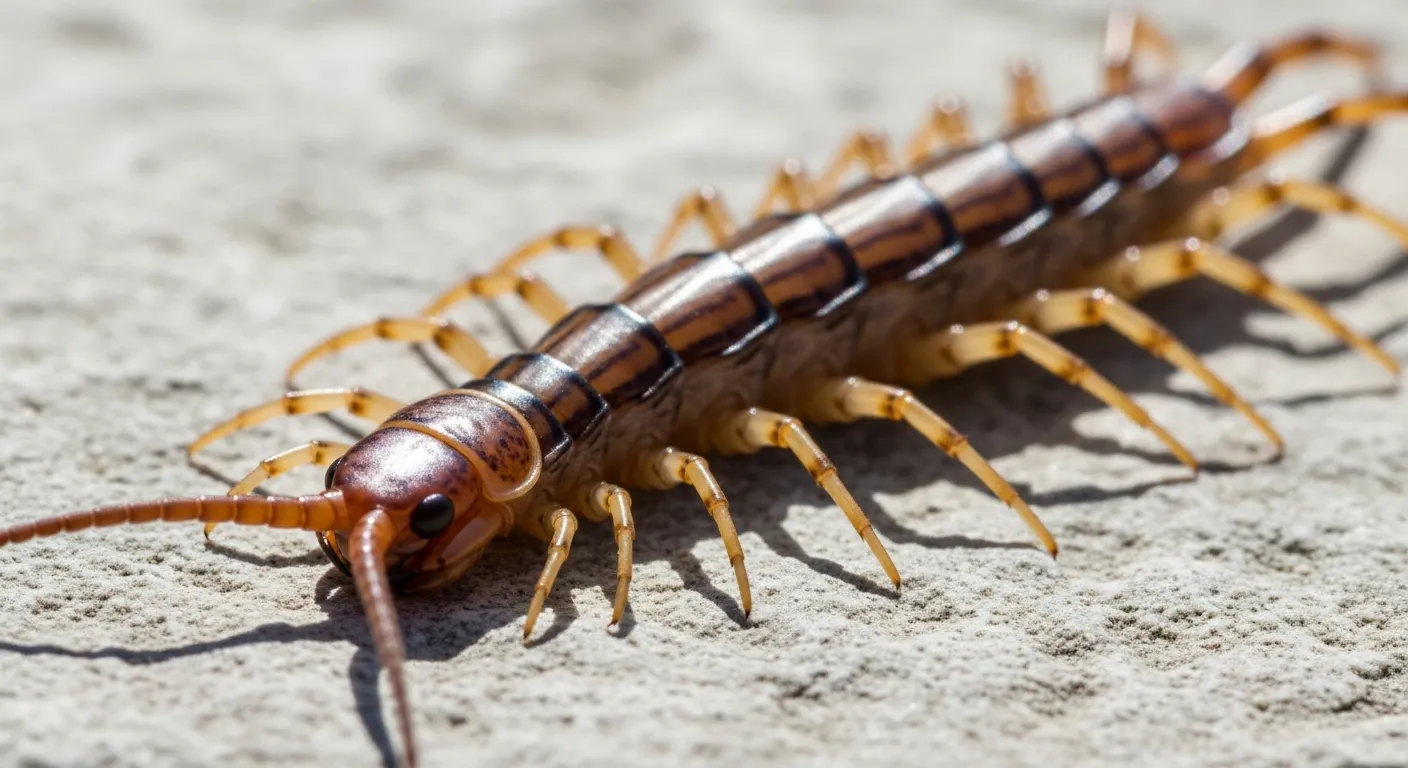
Pests rarely send a polite notice before moving in. One day your kitchen feels normal, and the next you’re side-eyeing a crumb like it started a whole neighborhood. The good news is that most pest problems begin with simple home conditions you can actually control. If you know what attracts bugs and rodents, what warning signs to watch for, and when to get help, you can make your place a lot less inviting. Think of it as giving unwanted guests a permanent “no vacancy” sign.
Why Pests Show Up
Pests usually come inside for the same reasons people do. They want food, water, and shelter. If your home has crumbs under the toaster, a dripping pipe under the sink, or a quiet pile of boxes in the garage, you may be offering a tiny all-inclusive resort.
That doesn’t mean your home is dirty or neglected. Even tidy homes can have pest issues, especially during weather swings. Heavy rain can drive insects indoors. Cold snaps can send rodents looking for warmth. Hot summers can make water sources extra tempting.
If you’ve started noticing more activity, it may help to look into pest management solutions that address common household invaders before they settle in. The key is to think like a pest for a minute. If your home feels safe, easy to enter, and full of snacks, they’ll keep trying their luck.
Spot Early Warning Signs
Small clues often show up before a full-blown pest problem. You might hear faint scratching in a wall at night or notice tiny droppings near the pantry. Sometimes the signs are sneakier, like chewed food packaging, a strange musty smell, or little bits of shredded paper tucked into corners.
You may also see grease marks along baseboards, especially with rodents. Insects can leave shed wings, egg casings, or trails near windows and sinks. If something feels off, trust that instinct. Your home has its own normal rhythm, and you usually notice when it changes.
Catching these signs early matters because pests multiply fast. One or two can turn into many before you’ve even bought a trap or spray. Early action gives you more control and often means less mess, less stress, and fewer “what was that?” moments after dark.
Fix Easy Attractors
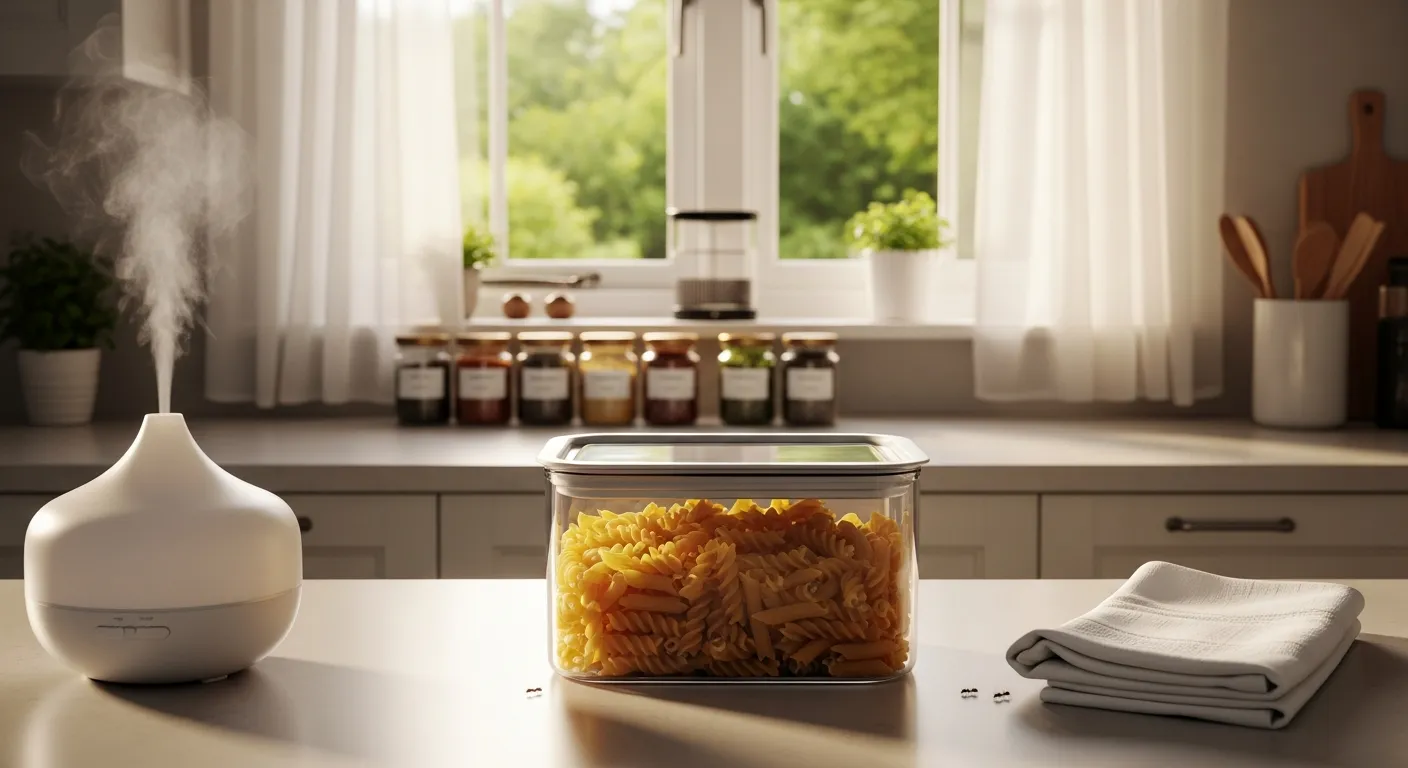
A lot of pest prevention comes down to boring little habits, which is actually great news. You don’t need a full home makeover. Start with the basics. Wipe crumbs from counters, sweep under the table, and store dry goods in sealed containers. Even a loosely folded cereal bag can feel like an invitation.
Pet food is another common attractor. If bowls sit out all day or kibble spills behind them, pests may treat that corner like a snack bar. Trash matters too. If your bin doesn’t close well or you wait too long to take it out, odors can draw in insects and rodents.
Moisture is just as important as food. Leaky faucets, damp cabinets, and standing water near planters can attract all kinds of trouble. Outside, overgrown shrubs, wood piles, and clutter against the house create cozy hiding spots. None of these fixes are fancy, but they work. Pests love convenience, so your job is to make your home a little less convenient.
Seal Common Entry Points
You’d be surprised how little space a pest needs to get inside. A small gap under a door, a torn window screen, or a crack where pipes enter the wall can act like an open front gate. Mice can squeeze through tiny openings, and insects need even less room.
Start with a simple walk-around, inside and outside. Check door sweeps, window frames, dryer vents, utility lines, and the foundation. Look for gaps, tears, loose trim, or holes around plumbing. You don’t need to become a contractor overnight. A flashlight and a curious eye go a long way.
Basic fixes can help a lot:
- Replace worn weather stripping
- Repair ripped screens
- Add door sweeps where light shows through
- Seal small gaps around pipes
- Clear debris near vents
The goal isn’t perfection. It’s reducing the easy access points pests count on.
Build Better Routines
The best pest prevention plan is one you’ll actually keep doing. That means simple routines, not a dramatic Saturday deep-clean every six months. A quick kitchen reset at night helps more than you might think. Wipe surfaces, rinse dishes, and check the floor for dropped food. Tiny crumbs can cause big confidence in tiny freeloaders.
Each week, take a few minutes to empty indoor trash, vacuum hidden spots, and peek under sinks for moisture. If you have a basement, attic, or garage, glance around for clutter, droppings, or signs of chewing. You’re not hunting for a mystery creature. You’re just staying aware.
Seasonal habits help too. Trim plants away from the house, clean gutters, and store firewood away from the foundation. In colder months, check seals and cracks before pests start shopping for winter housing. These routines don’t have to be perfect. They just need to be regular enough that pests stop seeing your home as the easy option.
Know When to Call
Some pest issues are manageable with cleanup and prevention. Others keep coming back, no matter how many crumbs you remove or gaps you patch. If you’re seeing pests often, finding nests, hearing movement in walls, or noticing damage that spreads quickly, it may be time to call in help.
This is especially true when the source seems hidden. You might handle one ant trail, but repeated activity in different rooms usually means there’s a bigger issue nearby. The same goes for rodents, roaches, and stinging insects. If they’ve settled in, DIY efforts may only slow them down.
Getting professional support isn’t overreacting. It’s being practical. A trained team can identify what’s drawing pests in, where they’re nesting, and what treatment makes sense for your home. Sometimes the smartest move is knowing when to stop battling the bug brigade alone and let a pro take over.