

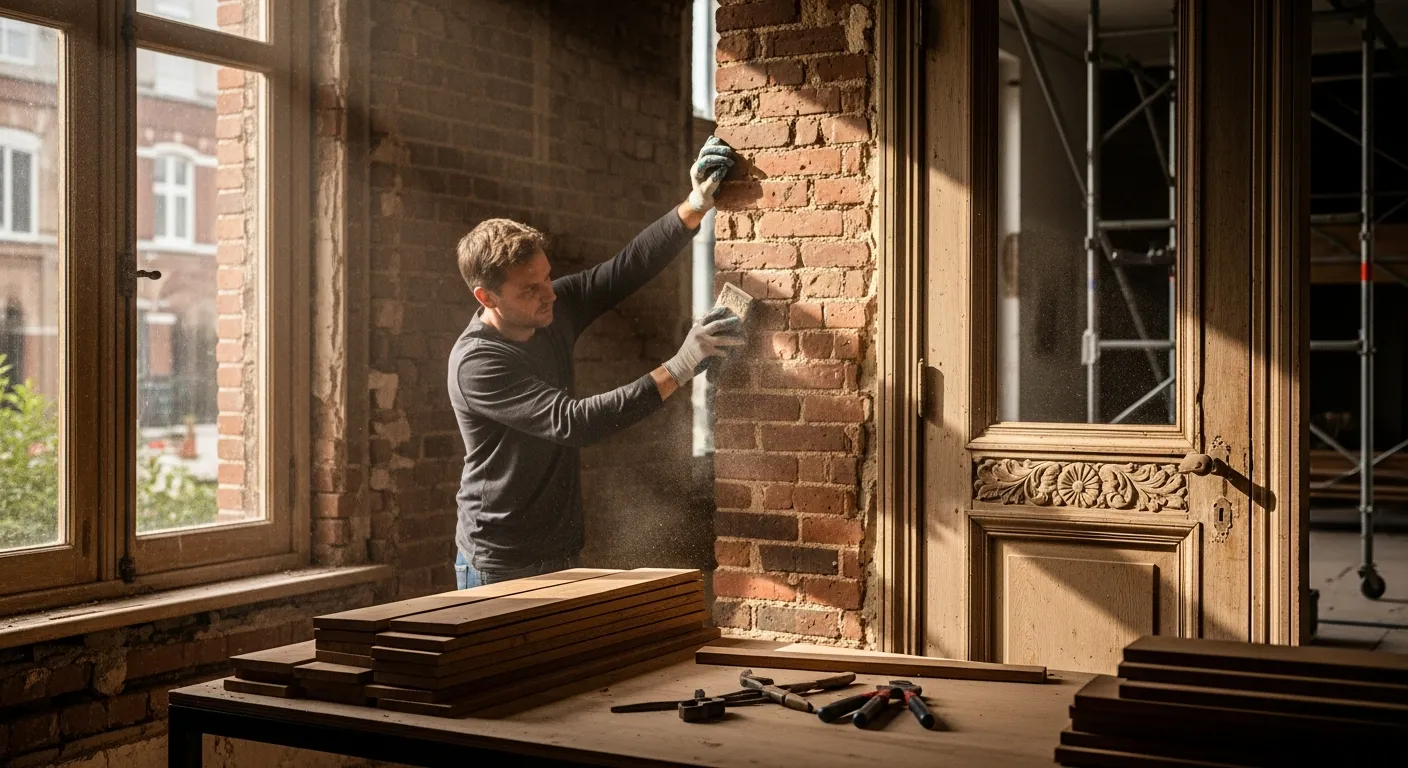
If you have watched renovation shows, you have probably seen crews carefully remove every cabinet, trim board and fixture so nothing goes to waste. That process is called deconstruction, and it can preserve a surprising amount of material. Many homeowners simply cannot afford to spend extra weeks removing materials piece by piece, but responsible renovation exists in the middle ground. You can reduce waste, save money and make smarter material choices without turning your project into a preservation effort.
Start With a Room-by-Room Waste Audit
Before you pick up a hammer, walk through the space and decide what is truly worn out and what is simply outdated. A scratched vanity, a solid-wood door or a functioning light fixture may not need replacement.
I have noticed that this quick audit helps you avoid unnecessary demolition. It also gives you a realistic list of materials you may be able to reuse, donate or sell. Even saving a few doors, cabinet boxes or shelving units can reduce disposal costs and replacement costs at the same time.
If your kitchen layout works, keep the cabinet boxes and replace only the doors, hardware and countertops. If the bathroom tile floor is sound, consider refinishing the surrounding surfaces instead of tearing it out.
Selective demolition also reduces hidden repair costs. When walls and floors remain in place, you may be less likely to uncover electrical, plumbing or structural issues that could expand the project budget.
Prioritize High-Impact Upgrades
Focus on upgrades that improve durability and energy performance rather than cosmetic perfection. Air sealing, insulation improvements, weatherstripping and efficient lighting often provide a better long-term return than replacing every finish in a room.
The U.S. Department of Energy notes that insulating your home can lower your energy costs, provide a more comfortable environment and reduce your carbon emissions, making it one of the most cost-effective home improvements available.
A useful idea that has worked for me is to spend first on anything hidden behind walls, then on surfaces you touch every day and finally on decorative items. That order protects your investment and keeps future renovation options open.
Reuse Materials by Removing Them Carefully
One of the easiest ways to renovate responsibly is to reuse materials you already own. Solid wood trim, shelving, doors, bricks and some cabinetry can often be cleaned, repaired and reinstalled elsewhere in the house. Local reuse centers and community marketplaces can also help these materials find a second life if you do not need them. The key is how you remove them. Ripping materials out with a pry bar usually damages edges, splits wood and bends fasteners beyond reuse.
Cutting and separating materials cleanly preserves their value and makes storage easier. When you plan to reuse metal framing, shelving supports, pipe or other structural materials, the quality of the cut matters.
Variable pitch blades use teeth and gullets of varying size and depth, which reduces vibration, minimizes chatter and produces cleaner finishes across a range of structural materials and metals. That cleaner cut can make salvaged pieces easier to reinstall and less likely to require additional grinding or trimming.
Plan for Donation Before Demolition Begins
Many homeowners wait until demolition day to think about donation, but most reuse organizations need advance notice. Schedule pickups for appliances, cabinets, doors or fixtures before contractors arrive. Label items that should be saved so they are not accidentally discarded during the demolition rush.
This step can reduce landfill disposal fees and help usable materials stay in circulation. The United States Environmental Protection Agency recommends donation and reuse whenever practical because these strategies conserve resources. You can donate items that can be easily removed, such as doors, hardware, appliances and fixtures.
Buy Fewer New Materials
Responsible renovation is not only about what leaves the house — it is also about what enters it. Measure carefully, order accurately and avoid the common habit of buying far more material than you need. Flooring, tile and drywall overages often become waste that sits unused for years.
When possible, choose standard sizes that minimize cutting. Ask suppliers whether they accept unopened returns and keep receipts organized. Thoughtful purchasing can prevent a surprising amount of waste before the project even starts.
Use Recycled and Reclaimed Products Strategically
Reclaimed lumber, recycled-content insulation, salvaged doors and remnant stone countertops can often cost less than new materials while reducing demand for virgin resources. You can repurpose discarded wood, plastic, glass, metal and concrete.
A practical approach is to use reclaimed materials in smaller, visible areas such as shelving, mudroom benches or accent walls. This keeps installation complexity low while still reducing waste and adding character to the home.
Reduce Dumpster Costs Through Simple Sorting
Mixed construction debris is expensive to dispose of. If local regulations allow, separate clean wood, metal and cardboard into designated piles. Metal recycling facilities often accept steel, aluminum and copper, and keeping those materials separate can reduce dumpster volume.
You do not need a commercial recycling operation. Even two or three clearly marked piles in the driveway can make a meaningful difference during a small renovation.
Think Beyond Demolition to Future Maintenance
A responsible renovation should be easier to maintain. Choose durable finishes that can be repaired instead of replaced, install access panels where plumbing or wiring may need future service and keep leftover paint and tile labeled for touch-ups.
Longer-lasting materials can help you reduce future waste. Remodeling projects generate construction debris, which is why extending the life of building materials is so important.
A Practical Path to Responsible Renovation
The most sustainable renovation is the one you can actually complete without financial strain. If a careful deconstruction would add thousands of dollars or delay a needed repair for months, a selective, well-planned renovation may be the more responsible choice.
Save what you reasonably can, buy thoughtfully, separate materials when possible and focus your budget on durable improvements. This way, you can complete a renovation that respects both your finances and the resources already built into your home.


