

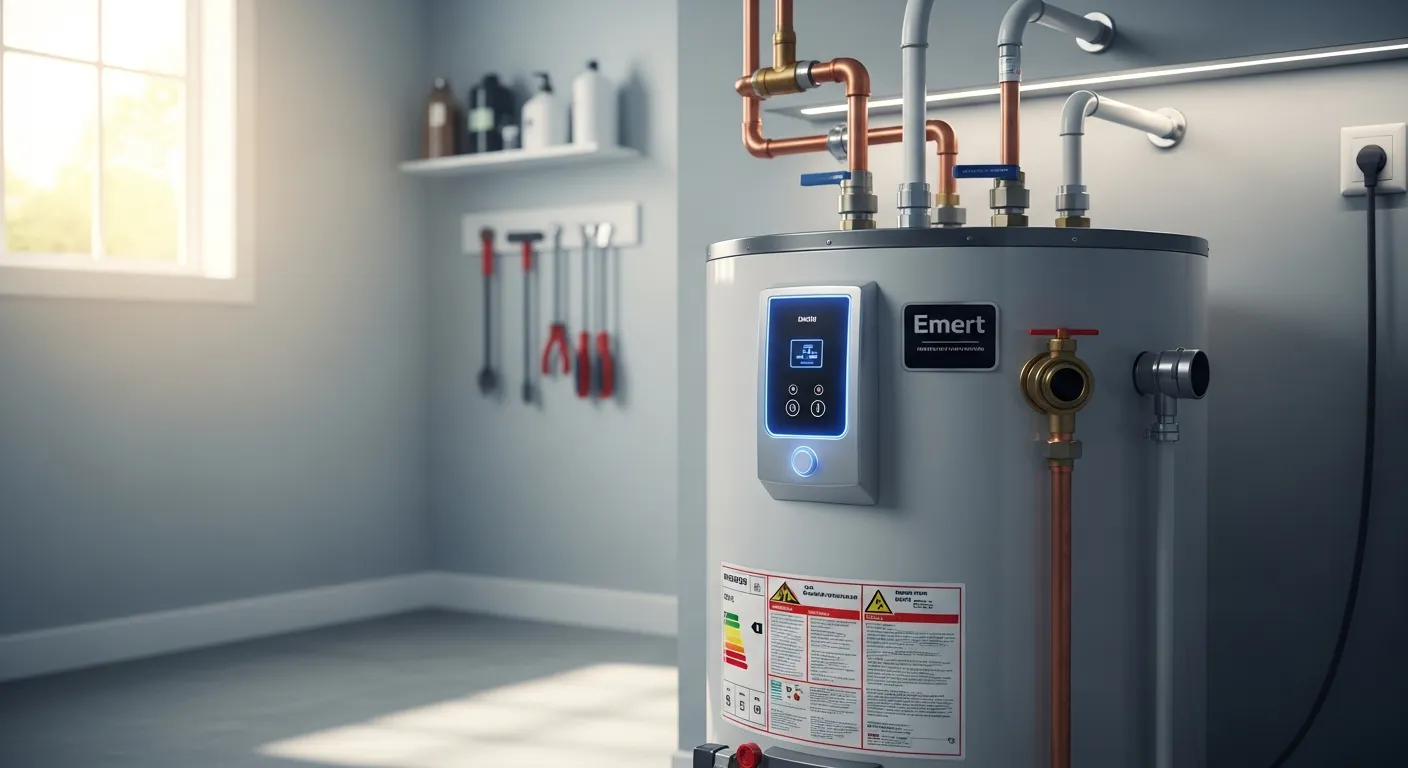
A water heater is an essential component of any home, significantly contributing to its functionality. If not properly maintained, this device can lead to decreased energy efficiency, increased operating costs, and costly repairs.
Implementing the right maintenance practices can enhance its performance and extend its lifespan. Here are seven practical steps you can take to ensure your water heater operates efficiently for years to come.
Regularly Flush the Tank
Sediment builds up in a water heater over time naturally. Water minerals settle inside the tank and form a barrier between the heating element and the water. This makes the unit use more energy and work more.
Once a year, at least flushing the tank aids in restoring efficiency and clearing sediment. Regular flushing also lessens internal component stress and lowers the possibility of overheating. A cleaner tank helps to ensure constant performance all year long and heats water more quickly.
Advantages of Getting Rid of Sediment
An effective heat transmitter requires a clean inner tank surface. Removing scaling material helps to lower monthly energy expenses and cut recovery heating times. Furthermore, clearing out these deposits minimizes the deep rumbling sounds sometimes produced when steam bubbles get trapped underneath heavy sediment layers.
Set the Thermostat to an Efficient Temperature
Most homes keep their water temperature set much higher than necessary. The excessive heat puts intense strain on the machinery as it increases total energy intake. It also increases the risk of accidental scalding injuries for your family.
Most houses will do well by setting it to 120 degrees. It provides enough heat in order to be ready for use and will significantly reduce fuel usage. Lower temperature also, over time, lessens damage to heating parts.
Indicators Your Thermostat Setting Has to Change
You could discover water that is too hot or erratic changes in temperature. These problems can mean the thermostat setting has to be looked at. Regular verification of the environment guarantees comfort and maximum energy efficiency.
Know When Replacement is More Sensible
Residential water heaters have finite operational lifespans regardless of your maintenance schedule. Older engineering standards require significantly more energy to deliver standard daily performance. You can pinpoint exactly where your unit sits on its operational timeline by checking production data.
Homeowners can find manufacturing dates instantly by entering serial codes into a specialized Water Heater Age Checker tool. Knowing the age of the equipment helps one to make plans for future modifications and prevent unanticipated failures.
Common Signs That a Tank Replacement Is Approaching
Homeowners should actively watch for specific structural warning signs. Consider these common symptoms of terminal equipment decline:
- Increasing energy costs due to increased usage
- Murky or rust-colored water appears when running hot taps
- Many times of the year, repairs are needed
- Less hot water is available for domestic chores
Check for Leaks and Fix Issues Early
Small leaks could run up utility costs and waste water. Persistent drips could point to worn valves, loose connections, or growing tank problems. Ignoring these indicators might cause more significant damage down the line.
Make it a habit to visually inspect the immediate area around your water heating equipment during your normal cleaning routines. Catching a small puddle early allows you to tighten a loose fitting or replace a cheap valve before a major flood occurs. Keeping the exterior environment dry protects the structural integrity of your home and keeps your utility costs predictable.
Check Safety Components and Check Inside Protection
Water heater safety depends much on the temperature and pressure relief valve, preventing your storage tank from experiencing catastrophic over-pressurization. This valve releases too much pressure and thereby helps to avoid risky operating circumstances. Regular testing shows it works as it should.
The node rod is still another crucial component. This metal rod keeps the tank from rusting and keeps dangerous elements from entering the water. Changing a damaged anode rod can greatly increase the unit’s lifespan and lower the risk of tank malfunction.
Insulate the Tank and Hot Water Pipes
Standby heat loss occurs continuously as warmth radiates straight through the uninsulated metal walls of your tank. This heat loss forces the system to cycle on repeatedly to keep standing water hot.
Adding an insulation blanket preserves internal water temperatures for much longer stretches of time. It prevents the system from burning extra fuel during chilly nights. It is usually these alterations that provide some of the largest cost savings over the lifetime of the unit.
Schedule Professional Maintenance
Professional inspections provide a more thorough assessment of system health, even if regular house upkeep is helpful. A trained technician can spot problems that are still developing before they cost a lot to fix. Professional maintenance also makes sure important parts run as they should.
Annual maintenance checks sometimes comprise thermostat inspection, slit analysis, safety checks, and performance testing. This proactive strategy aids in the maintenance of efficiency and enables dependable operation all year long.
Endnote
Good care of your water heater helps to maximize efficiency, cut running expenses, and extend equipment life. Frequent issues can be avoided by easy tasks such as flushing, leak detection, and safety component testing. Regular care along with timely inspection will help homeowners maintain their water heaters operating effectively for years.
