

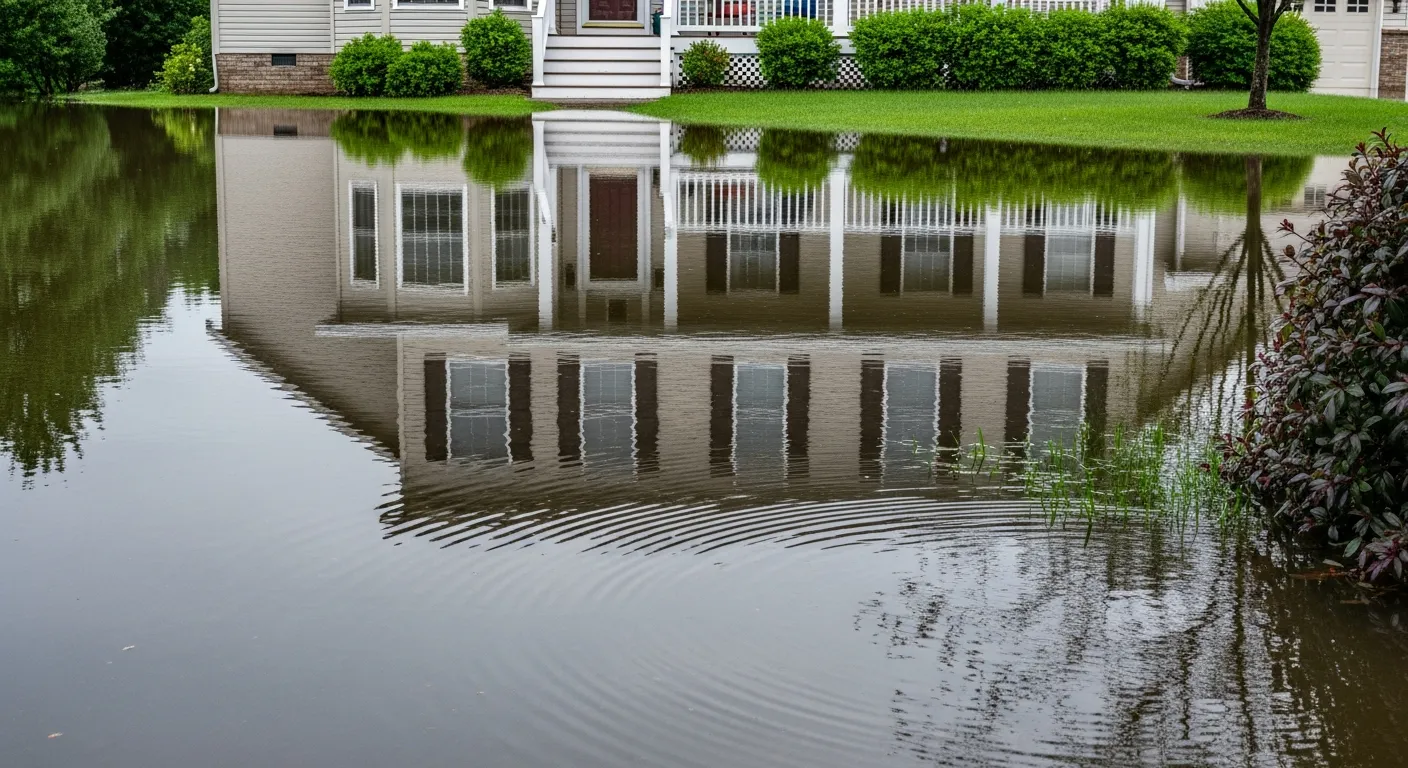
After a flood, a burst pipe, leaking appliance, or sudden issue can leave moisture trapped behind walls, beneath floors, and inside cabinets where you cannot see it. If those hidden areas are ignored, what looks like a minor cleanup can quickly turn into costly repairs, warped flooring, bad odors, and even mold.
Acting quickly can limit the damage and protect your home from bigger problems. Before you begin cleaning everything up, you need to know what is safe to touch, what needs to be documented, and where hidden moisture may be lurking. Here’s what to do to protect your home after water damage.
Prioritize Safety in Your Home
Adopt a safety-first approach before moving furniture or wading through standing water. Water can be dangerous if it reaches electrical outlets, appliances, extension cords, or power panels. Do not take chances by trying to switch things back on yourself.
Be wary of contaminated and dirty water especially, if floodwater comes from sewer backup, toilet overflow, or outside floods. If you need to enter the affected house, follow these basic safety precautions:
- Wear rubber boots and heavy gloves before entering any affected room
- Switch off the main electrical breaker only if the electrical panel is completely dry and safely accessible.
- Keep children and pets away from contaminated standing water
Eliminate Any Standing Water
After the area is confirmed to be safe, remove the excess water. Depending on the size of the affected area, you may need different methods to remove the water, such as towels, bucket, wet or dry vacuum cleaners, and dehumidifiers. Move furniture away from wet areas and remove rugs or other items that are holding moisture.
Keep in mind that there may still be some moisture prescient, even away from the visible areas. Water can seep under the floor or furniture and remain unseen. For extensive flooding or persistent moisture, consider contacting local damage specialists who can assess the property and identify areas that ordinary cleaning may miss.
For homeowners in Austin, professional water damage restoration Austin, TX services can provide specialized equipment to locate hidden moisture and properly dry affected areas. Acting quickly can prevent mold, unpleasant odors, and long-term damage.
Decide What Can be Saved
Not everything that gets wet needs to be thrown away. Some furniture, household items, and personal belongings can be cleaned and dried if they are treated quickly. Others may be too damaged or contaminated to recover.
Porous materials deserve particular attention because they can absorb water and remain damp for a long time. Mattresses, carpets, insulation, upholstered furniture, and some types of particleboard may be difficult or impossible to salvage after prolonged exposure.
Look for Hidden Moisture
Some of the most expensive problems caused by water damage are not immediately visible. A wall may look perfectly normal while moisture remains trapped inside it. Water can also become trapped beneath hardwood flooring, carpets, cabinets, and other fixtures.
Watch out for warning signs such as bubbling or peeling paint, wrapped flooring, swollen baseboards, discoloration, water stains, and musty smells. Doors and windows that suddenly become difficult to open or close may indicate that surrounding materials have absorbed water and expanded.
Consider using a moisture meter to identify areas that are still damp. If you're unsure about the extent of the problem, have a restoration professional inspect the property rather than assuming everything is dry.
Document the Damage for Insurance Claims
You may be tempted to throw away soaked drywall, ruined rugs, and damaged furniture before photographing them. However, doing so can make it more difficult to document your insurance claim. Clear photos of damaged belongings, flooring, and structural elements can help insurance adjusters assess the extent of your loss. Consider the following when documenting the damage:
- Take wide-angle photographs of every affected room showing water lines on walls.
- Capture close-up shots of ruined personal belongings and wrapped baseboards.
- Keep detailed receipts for emergency lodging, dehumidifiers, and professional cleanup supplies.
You should also make a written inventory of damaged or destroyed belongings. Contact your insurance provider promptly to find out what documentation is required for your claim.
Fix What Caused the Damage
Removing the water is only half of the task. It's also important to determine what caused it in the first place.If the failure of a pipe is behind the flooding, have it repaired to avoid further problems.
You can reduce the likelihood of another incident by inspecting plumbing connections regularly, cleaning gutters, checking the roof for damage, replacing worn hoses, and keeping drains clear. It is also worth making sure people in the household know where the main water shut-off valve is and how to use it.
Endnote
Water damage can feel overwhelming, but you don't have to solve everything at once. Start by making sure everyone is safe and stopping the source of the water. Then remove standing water, document the damage, and begin drying the affected areas.
Do not forget to look beyond what you can see. Hidden moisture can create problems long after a room appears dry, so don't ignore musty odors, stains, warped materials, or other warning signs. Acting quickly can also save you from a much larger repair bill later.


