

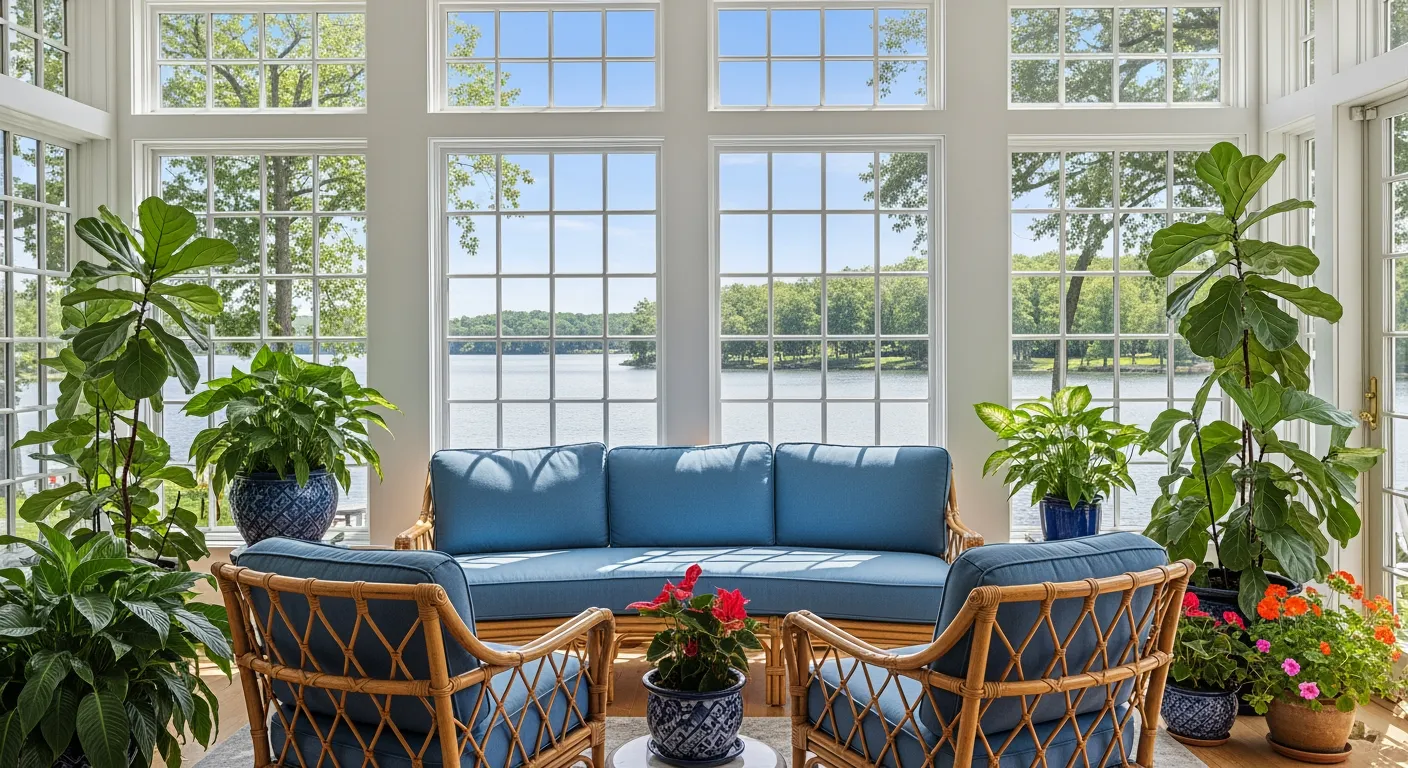
Large windows can make a room feel open right away. They bring in light, show off the view, and make even a simple space feel bigger. Then the day moves on. The glass gets hot, glare lands on the sofa, and the room that looked great in the morning gets harder to use.
That happens a lot in Phoenix and Scottsdale homes. Big windows are beautiful, but they need a little help. The goal is not to cover them up. It is to make them work better for normal daily life.
Start With the Worst Time of Day
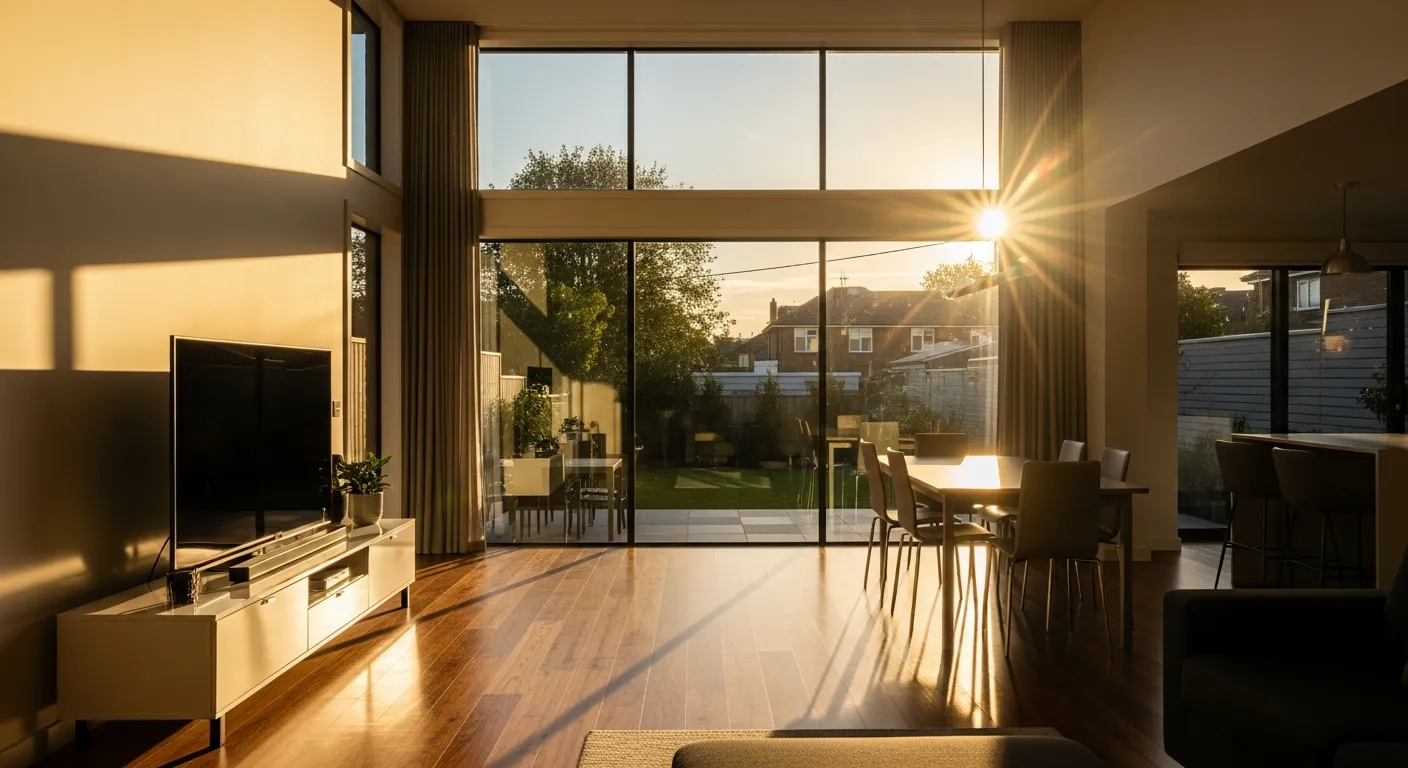
A large window does not act the same all day. Morning light may feel soft. Late afternoon sun may feel much stronger. A room can be pleasant at breakfast and uncomfortable by three. In sunny homes, shading glass is often one of the simplest ways to reduce unwanted heat before it takes over the room.
That is why it helps to look at the room wheTn it is at its worst. Maybe the TV catches the glare. Maybe the floor feels hot near the glass. Maybe the dining table gets too bright right when people sit down to eat.
That one problem should guide the fix. If the room only gets harsh late in the day, the answer may be better shading, not a full room change.
Keep the View, Control the Glare
The best thing about large windows is often the view. That is also why people avoid covering them. No one wants a big wall of fabric blocking the whole reason the window is there.
Still, bare glass can make the room hard to use. A lighter window covering can help without closing the space down. Solar shades, light-filtering shades, and basic blinds can help to reduce the glare without closing the room.
In Scottsdale homes with wide glass and strong sun, Arizona Window Covering Center gives a good sense of how clean shade options can handle light without taking over the room.
Watch the Heat Near the Glass
Large windows can make one part of a room feel warmer than the rest. You notice it on the chair near the window. You feel it on tile or wood flooring. Sometimes the room itself is not too warm, but the area near the glass is. That often comes from heat gain through the window, which is why large glass windows need more thought in sunny homes.
That matters because people start changing how they use the room. They move a chair. They avoid one side of the sofa. They close the blinds too early and lose the light they wanted.
A good setup should slow that down. It does not have to make the room dark. It just needs to take the edge off the hot spots so the whole space feels more even.
Choose Furniture Around the Window
Large windows affect furniture more than people expect. The sofa might be appealing at first glance, but it may become uncomfortable in the sun if positioned too near the glass. A work desk facing the wrong way can turn into a glare problem every afternoon.
It helps to leave a little breathing room around big windows. A chair can sit nearby without being directly in the hottest patch. A dining table can shift slightly so the sun does not hit one seat every day.
This is not about perfect design rules. It is about where people actually sit, eat, read, and work. A large window should support the room, not make everyone work around it.
Big Windows Need A Simple Treatment
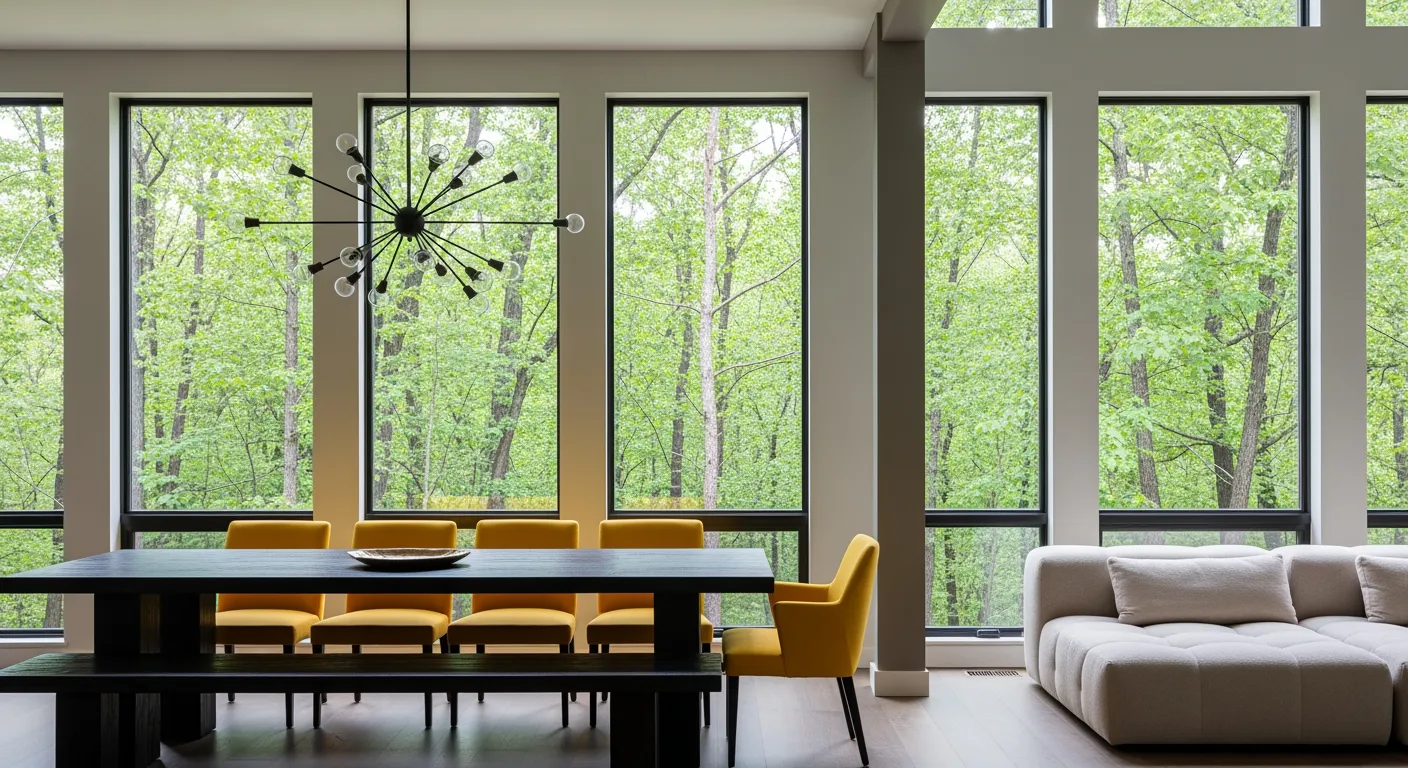
A small treatment on a big window can look unfinished. A heavy one can make the whole wall feel weighed down. Large glass needs something that matches its scale but still feels simple.
Clean roller shades often work well because they cover more glass without adding much visual weight. Panel systems can work on wide sliders. Vertical options can make sense when the window is very wide and used like a doorway.
The main mistake is choosing something too fussy. Big windows already make a statement. The treatment usually needs to calm the wall, not decorate it too much.
Keep the Room From Feeling Washed Out
Big windows can make a room feel washed out when too many surfaces reflect light. Pale floors, white walls, glossy tables, and bright counters can all push light back into the space. The room still looks open, but it may feel flat, sharp, or harder to relax in.
That is when the room starts to look washed out. Colors look weaker. The furniture looks less grounded. The space feels bright, but not always comfortable.
Make the Window Part of the Room
A large window should not feel like a separate feature. It should work with the rest of the room.
Look at what the room already has going on. A clean modern space usually looks better with a quiet shade. A room with warm wood, soft chairs, and relaxed fabrics can handle something with a little more texture. A simple shade may work better in a cooler room with stone, clean lines, and less texture.
Color matters as well. Bright white can look too hard in desert light. Sand, warm white, taupe, and soft gray often sit better in Arizona homes. They still look clean, but they do not feel as sharp.
Small Fixes Can Change a Big Window
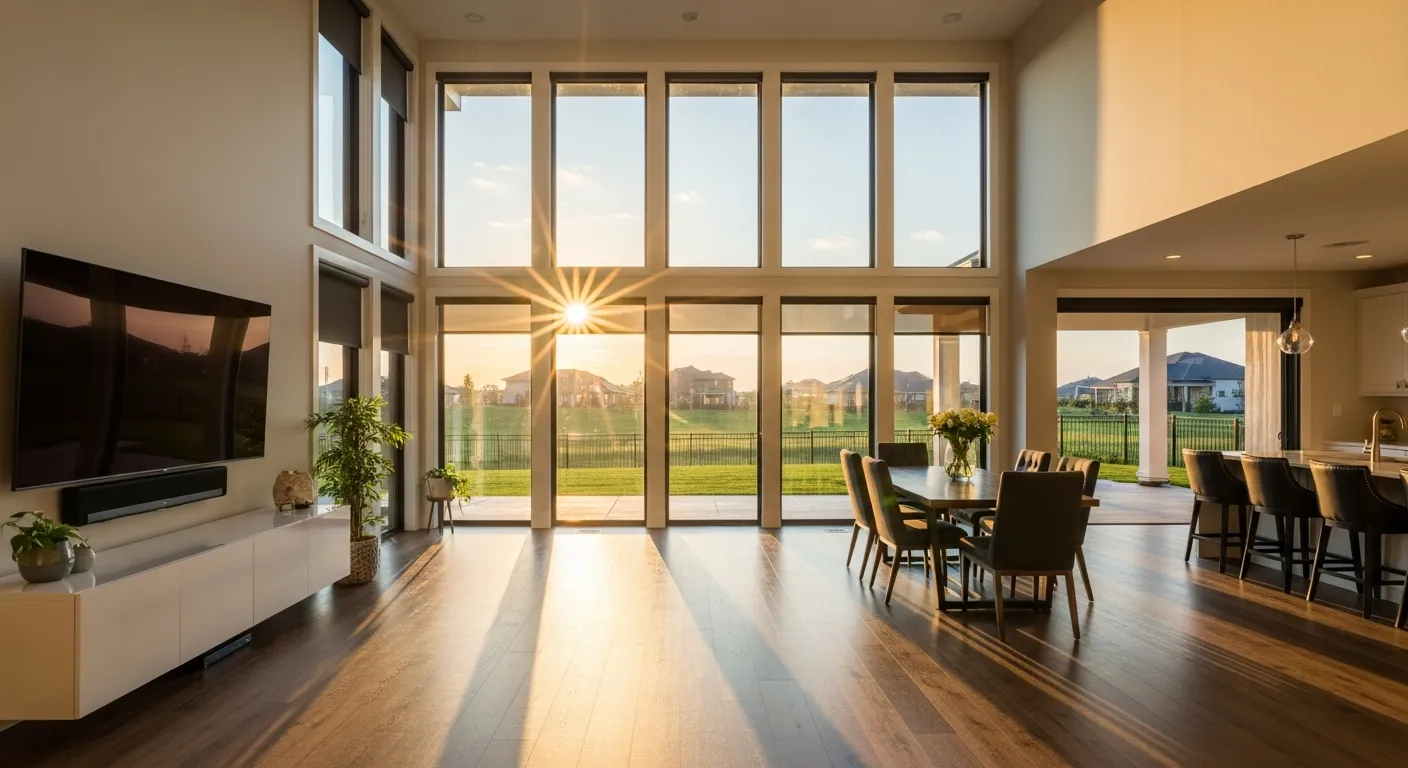
A large window can feel like a big design problem, but the fix is not always huge. Sometimes the room only needs one better layer.
A few changes often help:
- A light-filtering shade for glare,
- A rug where the floor reflects too much light,
- A better furniture layout near the glass,
- A softer wall color around the window,
- A stronger privacy layer for night.
These are simple moves, but they change how the room works. That matters more than making the window look impressive.
The Window Should Make the Room Easier
A large window is at its best when people stop working around it. The view is still there. The room still feels bright. The sofa stays usable in the afternoon. Privacy makes sense at night.
That is the real goal in everyday spaces. Not just more glass, and not less light. A large window should make the room better to live in. When the glare, heat, layout, and privacy are handled well, the window stops being a problem and starts doing its job.

