Imagine stepping into a living room where candlelight flickers off wrought-iron sconces and tapestries ripple with ancient scenes. While living in a castle may be out of reach, weaving medieval elements into a modern home is achievable and surprisingly practical.
This guide explores the colors, furniture, and accents that conjure an old-world ambiance without creating a theme-park look. We will explore budget-friendly tricks to help you turn a historical fantasy into a stylish reality.
A Brief History & Inspiration
The medieval aesthetic we celebrate today draws from roughly the 11th to 15th centuries. Great halls showcased massive trestle tables under soaring timber rafters, while castles layered heavy textiles to buffer drafts.
Much of what we now label gothic décor comes from the late-medieval flourish of pointed arches and ornate carvings. The era’s focus on craftsmanship and enduring materials provides a rich source of inspiration for modern design.
Setting the Medieval Mood
Start with a signature palette of deep reds, forest greens, royal blues, and earthy neutrals, with gleaming metallics like gold or pewter.
These saturated tones reference the natural dyes and mineral pigments of the era. Consider a base of warm parchment or pale stone gray on walls, then layer in color through textiles and artwork.
Materials are just as crucial for setting the scene. For a truly bold statement, nothing compares to a suit of armor. Displaying a full or partial suit of decorative medieval armor adds instant gravitas and is a powerful conversation starter.
Position it in a corner or near a bookshelf against a neutral backdrop so its sculptural lines can stand out as a piece of art. A simple two-layer paint-and-glaze technique can create an aged finish that feels authentically medieval without permanent commitment.
Furniture & Large Fixtures
A single statement item can anchor an entire medieval-inspired room. A carved trestle table or a four-poster bed with velvet drapes can create an immediate focal point.
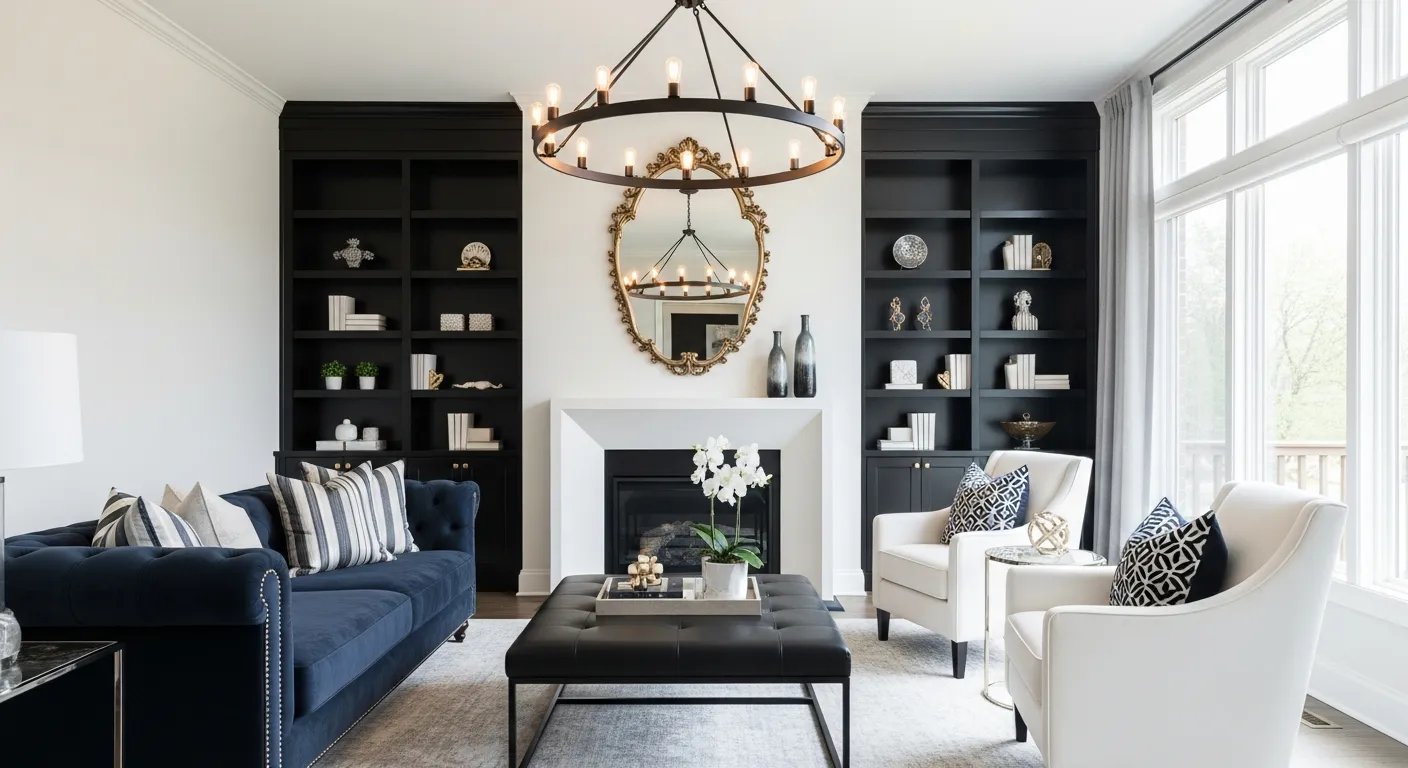
Wrought-iron chandeliers and sconces also add a powerful, rustic touch. Genuine pieces can be found at antique fairs, but high-quality replicas are often more affordable and easier to maintain.
-
Carved trestle table or bench set. Look for turned legs, mortise-and-tenon joinery, and a dark stain.
-
Four-poster or canopy bed. Add velvet or brocade drapes for insulated luxury.
-
Wrought-iron chandeliers & sconces. These fixtures add ambient light and architectural interest.
Textiles that Transport
Fabric served both a functional and decorative purpose in medieval interiors. Recreate that layered coziness with brocade or damask curtains in jewel tones and wool area rugs featuring heraldic patterns.
Wall tapestries, hung above a fireplace or behind a bed, draw the eye upward and add a sense of history and grandeur.
For a quick DIY project, stretch a thrifted rug or a heavy curtain panel over a wooden canvas frame. Staple the edges on the back and hang the piece with a French cleat. This creates an instant faux tapestry that adds texture and color to any wall.
Decorative Accents & Tabletop Details

Small details make a space feel lived in. For example, scatter pewter goblets, rustic tankards, and iron candleholders atop credenzas and mantels.
Shield-shaped wall art or heraldic plaques pair beautifully with more whimsical items like dragon figurines or stacks of leather-bound books. These details enrich the environment and complete the aesthetic.
Safety tips for incense burners:
-
Place incense burners on heat-resistant trays
-
Keep them away from flammable textiles.
-
Position an antique finish dragon incense burner as a reading nook accent or coffee table vignette.
The secret is balance. Aim for a mix of modern basics and medieval accents so your room feels curated rather than theatrical.
DIY & Budget-Friendly Hacks
You don’t need a royal treasury to transform your space with a rich medieval ambiance. These simple, affordable projects deliver striking results that evoke the charm and character of the era.
Faux-Stone Wall Technique
Mix lightweight joint compound with latex paint tinted in warm greys or earthy browns to create the illusion of stone walls. Apply it in small sections with a roller, then use a large grout sponge pressed randomly to texture the surface and imitate rough stone.
Once dry, dry-brush a darker glaze or charcoal paint into the crevices to enhance depth and realism. To protect your work, seal the wall with a matte clear coat for added authenticity.
Distress Modern Furniture for Antiquity
Give modern furniture a medieval makeover by lightly sanding edges and corners to mimic natural wear. Then, apply a dark walnut or aged oak wood stain, wiping excess away to create subtle shadows.
Finish with matte polyurethane for durability. Add decorative iron hardware or leather straps from hardware or craft stores to enhance the aged look.
Thrift-Store Treasure Hunt Checklist
You can save money by seeking authentic or vintage-looking medieval accents, such as pewter plates, wrought iron candleholders, leather-bound books, and antique brass picture frames.
Create a checklist before you shop to focus your hunt and avoid impulse buys. Look also for heavy textiles like wool or velvet scarves and tapestries that fit the medieval theme.
Integrate Styles Thoughtfully
To avoid a cluttered or costume-like effect, assign different décor zones with specific themes within your room.
Combine bold medieval statement pieces, such as a carved wooden chest or heraldic wall art, with rustic accessories like wrought iron lanterns and simple modern essentials like a neutral-toned sofa or minimalist bookshelves. This layered approach balances historic flair with contemporary comfort.
Consistent Color Palette & Lighting
Unify your space by repeating key medieval-inspired colors such as deep forest green, burgundy, or rich ochre. For example, pull a forest green tone from a tapestry into sofa cushions, throws, or a hallway runner.
Use warm, dimmable LED bulbs that mimic the soft flicker of candlelight indoors, enhancing ambiance without fire risk. Place genuine beeswax candles in sturdy, medieval-style holders or wrought iron sconces to provide an authentic glow during evening hours.
These approachable techniques can dramatically evoke a medieval atmosphere while respecting your budget and modern living needs.
Crafting Your Castle-Inspired Sanctuary
Transforming a modern home into a cozy, castle-inspired retreat is about authenticity, not quantity. Start with rich hues, anchor your space with a few standout furnishings, and layer in tactile textiles and thoughtful accents.
You can create a unique, inviting space that tells a story by blending old and new. We would love to see how you blend these eras in your home.