

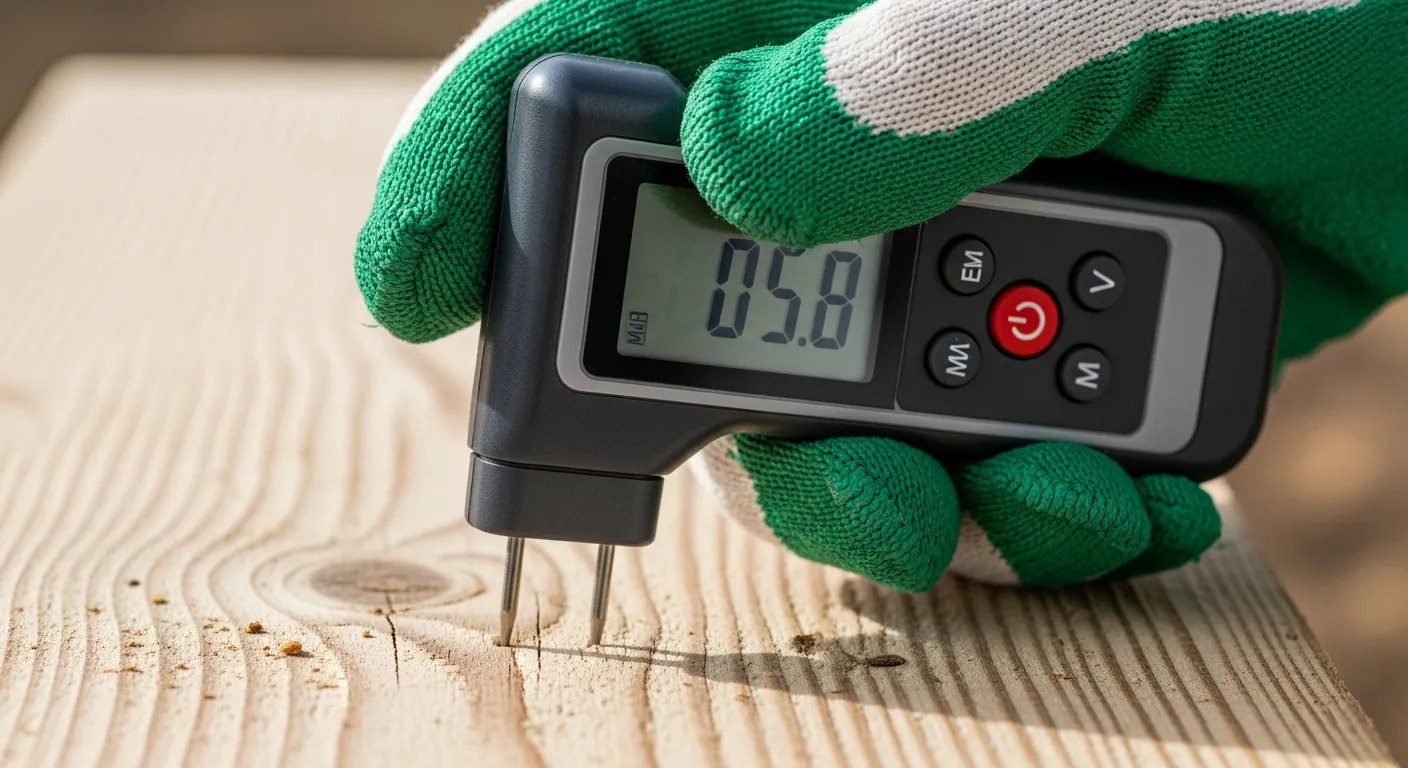
You can't see most of the mold that affects homes. That's not a dramatic statement, it's just the reality of how mold works. By the time it's visible on a surface, it's typically been growing in the structure behind that surface for weeks or months.
The conditions that allow mold to colonise wood and other building materials are created by one thing above all others: moisture. And the tool that gives you direct, reliable information about moisture levels in the timber and materials in your home is a wood moisture meter.
Here's why it matters and how to use it effectively.
What Mold Actually Needs to Grow?
Mold is a fungus. It's present in virtually every home in spore form, dormant and harmless until conditions favour germination and growth. Those conditions require:
- Organic Material as a Food Source: timber, paper-faced plasterboard, MDF, natural fibre insulation all qualify
- A Temperature Range Between Roughly 5°c and 35°c: which describes the interior of virtually every occupied home
- Moisture: sustained moisture content in the material above the threshold that mold needs to colonise
Temperature and food source are not variables you can easily control. Moisture is. This is why moisture management is the central strategy for mold prevention, and why measuring moisture content directly is the most reliable way to know whether you're at risk.
How a Wood Moisture Meter Works?
A wood moisture meter measures the moisture content of timber and other building materials directly, expressed as a percentage of the material's dry weight.
Most consumer and professional meters use one of two measurement principles:
Pin Meters: insert two small pins into the surface of the material. A low electrical current passes between them, and the resistance to that current, which decreases as moisture content increases, is translated into a moisture percentage reading. These give a direct reading at a specific location and depth.
Pinless Meters: use electromagnetic waves to sense moisture in the material without surface penetration. Useful for non-destructive screening over larger areas, to identify zones that warrant closer investigation.
For practical home use, a pin-type meter gives direct, reliable readings at specific locations. Using one around high-risk areas, external walls, subfloor timbers, areas around plumbing, window frames, takes minutes and gives you real information rather than assumptions.
The Moisture Thresholds That Matter
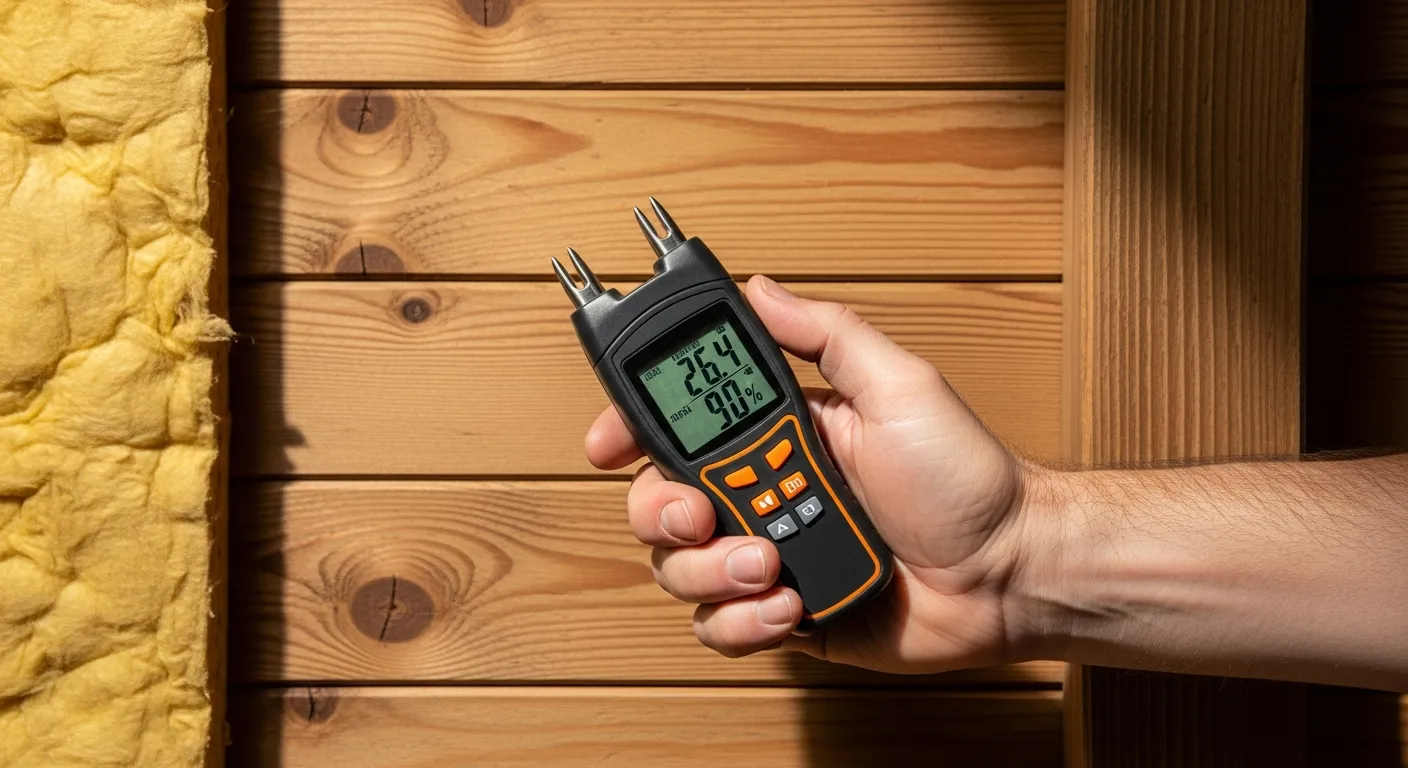
Timber moisture content has well-established risk thresholds:
- Below 16–17%: safe for most applications; mold colonisation is unlikely
- 17–20%: elevated risk zone; conditions are approaching those that favour mold growth
- Above 20%: active risk; sustained levels in this range create conditions where mold and rot are likely to develop
- Above 28–30%: wood rot threshold; structural deterioration becomes a real risk at sustained levels
These thresholds give context to the readings you take. A single slightly elevated reading in a location that dries out naturally may not be concerning. Readings consistently in the elevated range, or readings above 20% in enclosed areas like wall cavities and subfloor spaces, warrant investigation of the moisture source.
According to the US Forest Products Laboratory, wood-decaying fungi, including the species responsible for structural rot, require sustained moisture content above 28–30% to cause decay. However, mold species can colonise at lower moisture levels, making earlier detection of elevated moisture important for preventing both mold and structural damage.
Where to Check: The High-Risk Locations in Most Homes ?
Not all parts of your home carry equal moisture risk. Focus regular monitoring on:
- External Wall Framing: particularly north-facing walls and walls exposed to prevailing weather
- Under Sinks and Around Plumbing Penetrations: slow leaks in these areas are common and often go undetected for extended periods
- Subfloor Timbers: if your home has a subfloor crawl space, the joists and bearers in this area are among the most moisture-vulnerable structural elements
- Around Window and Door Frames: particularly in older homes where seal and flashing integrity may have deteriorated
- Roof Spaces: condensation and minor leaks in roof spaces affect ceiling joists and rafters
- After Any Water Event: flooding, significant leaks, or plumbing failures should always be followed by thorough moisture monitoring before structural elements are closed up
The value of monitoring these locations regularly, not just after a visible event, is that it catches elevated moisture before visible damage or mold growth has occurred.
Integrating Moisture Monitoring Into a Broader Home Health Strategy
A moisture meter is most powerful when it's part of a broader approach to understanding your home's moisture environment. Ambient humidity monitoring, tracking relative humidity in living spaces, tells you whether your home's overall moisture load is in a healthy range. Structural moisture monitoring with a meter tells you whether specific materials are actually affected.
This is the combination that Sensora Home is designed to support, offering a wood moisture meter alongside broader home environmental monitoring tools that give homeowners comprehensive visibility into indoor conditions rather than a single data point. Having both ambient and structural moisture data means you can identify problems earlier and understand their context more clearly.
What to Do With Elevated Readings
Finding elevated moisture content in timber is useful information, but the useful response depends on understanding where the moisture is coming from.
- Consistent elevation in external wall framing typically points to weather ingress, a failed seal, damaged cladding, or flashing failure at a roof junction
- Elevation around plumbing may indicate a slow leak worth investigating further
- Elevated subfloor readings often reflect inadequate underfloor ventilation or ground moisture
- Elevation after rain that dries out within days is less concerning than persistent elevation that doesn't respond to dry weather
Fixing the source of moisture, rather than simply noting and ignoring elevated readings, is what produces lasting protection. The meter tells you where to look and when to act.
Conclusion
Hidden mold starts with hidden moisture. And the most reliable way to detect hidden moisture in timber before it creates a significant mold or structural problem is direct measurement with a wood moisture meter.
For homeowners who take their property's health seriously, particularly those in older homes, those who've experienced any kind of water damage, or those who've noticed persistent humidity issues, regular monitoring is a small investment with a potentially significant protective return.
Know your numbers. Respond to what they tell you. And deal with moisture before mold gives you no choice.


