

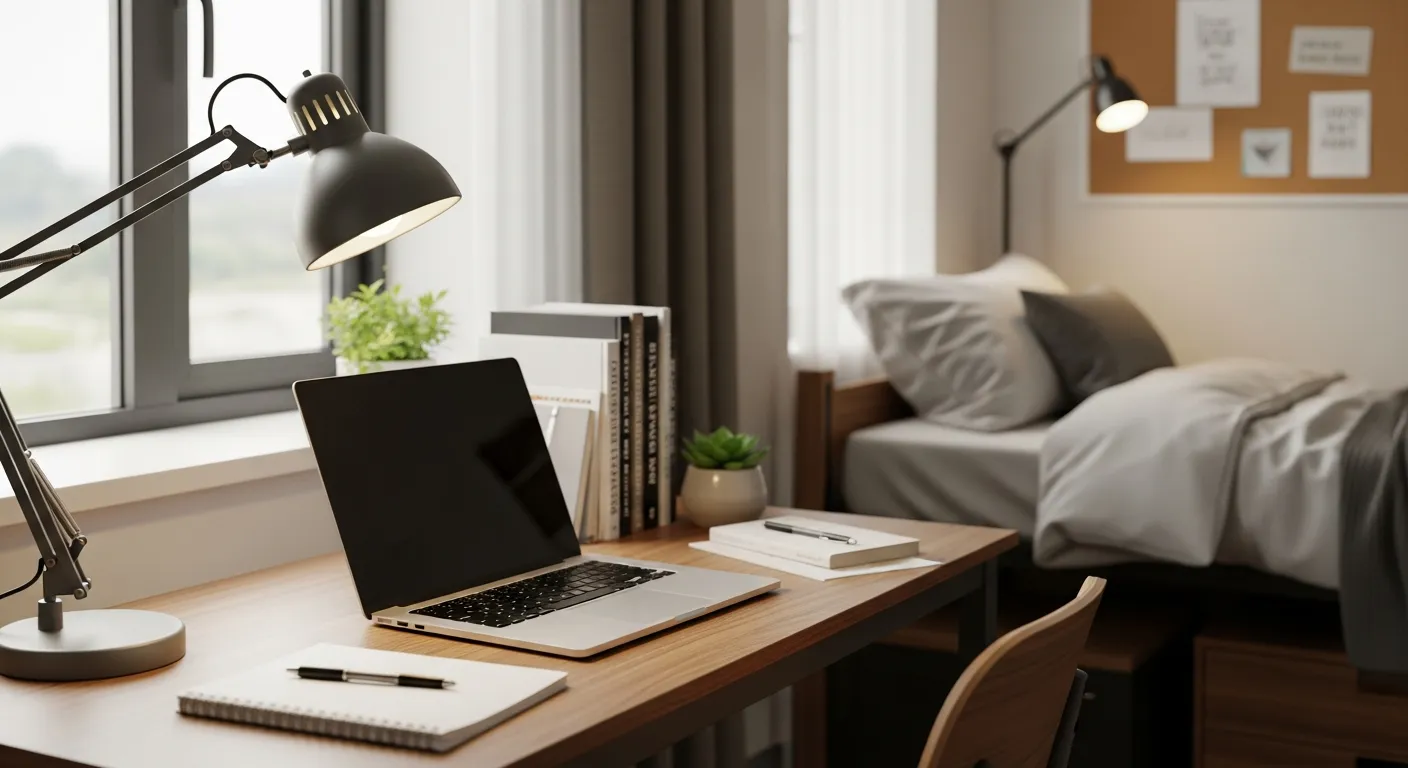
Setting up an ideal study area inside a residential unit requires thoughtful planning and design choices. A personal workspace directly impacts daily productivity, focus levels, and overall academic performance. By organizing the physical surroundings, students can build a structured environment that supports continuous learning. Simple adjustments turn ordinary rooms into highly efficient study hubs.
Optimize Natural Lighting and Room Layout
Positioning the desk near a window brings in abundant natural light throughout the daytime hours. Placing the desk near a light source reduces eye strain and keeps dining areas reserved purely for meals and social activities. Proper positioning helps maintain a clear mental boundary between work zones and leisure spaces.
Good room layout also keeps daily clutter from piling up around main work surfaces. Studying at home works best when using a clean, neat workspace where the mind can settle down. Keeping study areas clear helps eliminate unnecessary visual distractions.
Pick Comfortable Ergonomic Furniture
Long hours spent reading or typing require physical support to prevent body fatigue. Students exploring premium student housing arlington tx options often prioritize floor plans with dedicated desk space to fit proper gear. Investing in a proper chair with adjustable support makes extended work sessions far more manageable.
One study on workspace health mentioned that choosing comfortable ergonomic furniture with a good seating position maintains physical well-being over time. Proper seating keeps energy levels stable during tough study sessions.
Manage Noise and Private Study Zones
Noise control plays a massive role in maintaining strong concentration levels throughout the academic term. Living around roommates or shared corridors requires dedicated strategies for managing sound. Private study zones with ergonomic furniture and strong internet connectivity are top priorities, along with quiet spaces for attending online lectures. Setting clear boundaries with housemates helps protect uninterrupted focus time.
Using noise-canceling headphones or low-volume background sound creates an ideal acoustic environment inside any bedroom. Consistent study spaces train the brain to enter focus mode immediately upon sitting down.
Control Temperature and Indoor Climate
Room temperature affects mental clarity and stamina more than most people realize. A space that is too warm induces drowsiness, while a cold room creates physical discomfort. Most people find a room temperature of around 70 to 75 degrees Fahrenheit just right for working. Adjusting thermostats or using small desk fans keeps the space consistently comfortable.
Good airflow also prevents rooms from feeling stuffy during long study marathons. Fresh, moving air keeps the mind alert and refreshed through late hours.
Decorate with Air-Purifying Plants
Adding natural elements directly improves workspace atmosphere and mental clarity. Plants bring life to indoor rooms while serving practical wellness purposes. Modern apartments benefit immensely from simple greenery placed near desks or bookshelves.
Adding plants to a study space helps lower anxiety, promotes calmness, and increases memory, concentration, and attentiveness. Natural decor offers a simple way to elevate room aesthetics while boosting productivity.
Time to Transform Your Space
Organized spaces foster a calm mindset before tackling difficult assignments. Ending each study session by tidying up the desk sets up a seamless start for the following day. Small organizational habits build a smooth daily routine. Make sure to check out the rest of our articles!


