

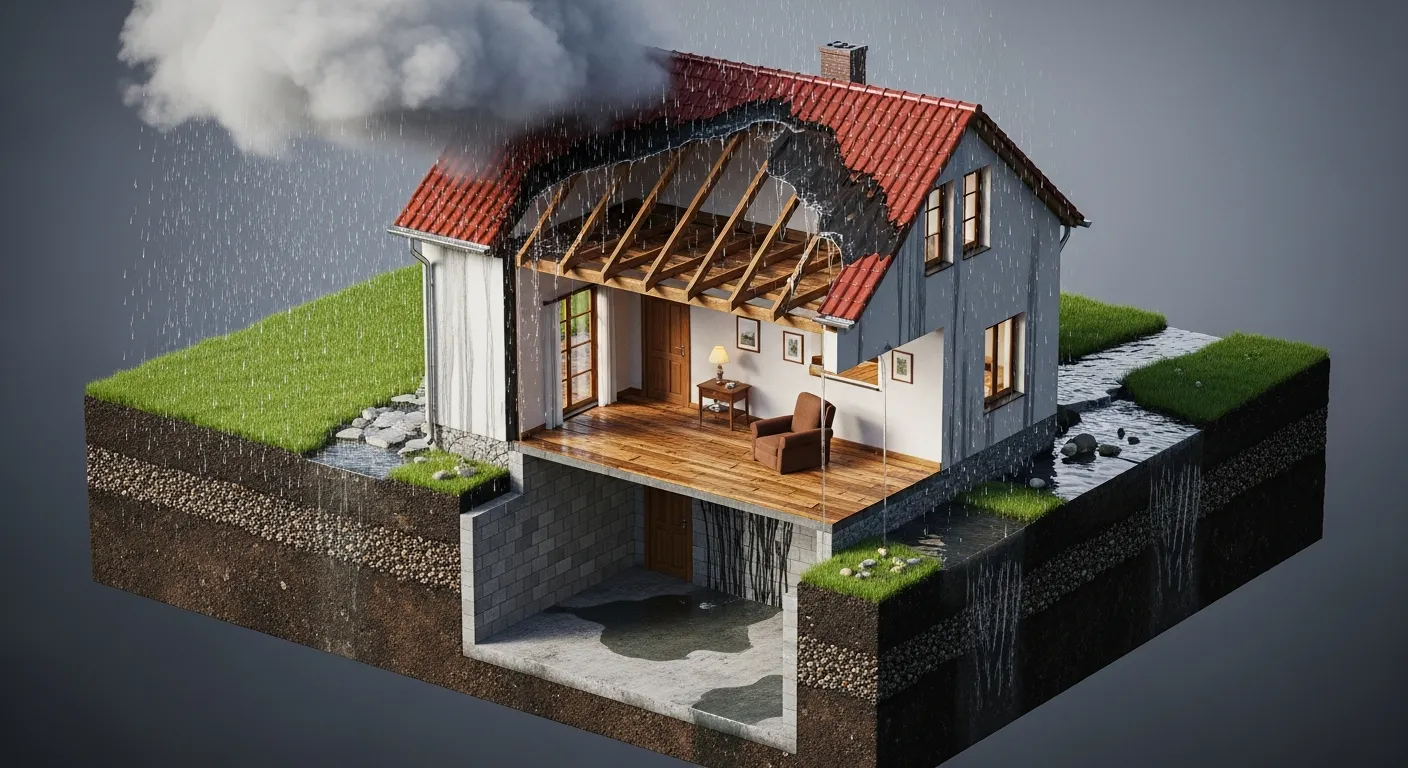
Waterproofing is a cornerstone of contemporary building design, safeguarding both new and existing structures from the damaging effects of water intrusion. As construction practices evolve, integrating advanced waterproofing is not just a precaution but an essential step in project planning and execution. If you need guidance or professional support for your project, consulting a reputable waterproofing company Sydney ensures expert advice and long-lasting results. Unwanted moisture can cause significant problems ranging from structural decay to unhealthy living conditions due to mold and mildew. Preventing these issues from the outset reduces both repair costs and safety risks, making waterproofing an investment in the building's future. Choosing the right systems begins with understanding potential water entry points, the local climate, and the site's characteristics. Proactive waterproofing not only extends the building's lifespan but also enhances the property's comfort and value. According to the New York Times, a properly waterproofed home can deter the most common and costly insurance claims. With the practical and financial stakes high, adopting best waterproofing practices is a top priority for any construction professional or property owner.
Importance of Waterproofing
Without proper waterproofing, the risks to a building increase dramatically. Water infiltration can weaken foundations, degrade concrete, and create unhealthy environments through mold and mildew growth. According to Builder Magazine, water-related failures undermine structural integrity and are among the most frequent sources of complaints and litigation in construction. Effective waterproofing protects against all these threats, ensuring the structure remains durable and safe for its intended lifespan.
Common Waterproofing Methods
- Membrane Systems: Sheet membranes and liquid-applied barriers are popular solutions, chosen for their flexibility and seamless protection. These materials can be tailored to any shape or substrate and are effective in both above-ground and below-ground applications.
- Integral Waterproofing: Special additives are mixed into concrete during production, making the concrete itself water-resistant. This method works well for foundations and below-grade structures.
- Drainage Systems: Drainage plays a critical role in any successful waterproofing solution. Channeling surface and subsurface water away from vulnerable areas minimizes hydrostatic pressure, reducing the risk of leaks.
For comparisons and technical insights into various waterproofing materials and techniques, the review by ArchDaily is a recommended resource.
Site Assessment and Preparation
Effective waterproofing starts well before the first wall goes up. Professionals assess factors like soil type, natural water flow, water table elevation, and climate. Addressing these in the design and grading of the site determines the success of the waterproofing. The installation of footing drains and careful grading to channel water away from the building are essential first steps. As noted in an article by My Home Pros, layering barriers, sealants, and drains creates a multifaceted defense against intrusion.
Foundation Waterproofing
- Applying Waterproof Coatings: Coatings such as cementitious or bituminous products are applied directly onto the foundation to form a protective layer against moisture.
- Installing Drainage Boards: These are placed on the exterior side of foundation walls to protect waterproof coatings and facilitate downward, outward water movement.
- Ensuring Proper Backfill: Using granular or free-draining soil as backfill further reduces the likelihood of water pressure against the walls, complementing both the drainage and waterproofing systems.
Consistent with recommendations from industry professionals, combining all three methods leads to the most robust foundation protection.
Roof and Wall Waterproofing
- Roof Waterproofing: Flat and pitched roofs rely on a combination of underlayments, membranes, and flashing to direct water off the roof and away from the structure. Properly installed gutters and drains are vital for managing runoff.
- Wall Waterproofing: Weather-resistant barriers, such as house wraps or liquid-applied membranes, protect vertical surfaces. Meticulous attention to flashing and sealing around windows, doors, and joints ensures there are no weak points.
Recent trends in building science, highlighted by Houzz resources, emphasize the importance of combining systematic and detailed approaches for optimal protection.
Interior Waterproofing Solutions
- Sealants and Coatings: Waterproof paints and sealants applied on interior surfaces provide supplementary defenses in basements and crawl spaces, reducing vapor transmission and preventing mold.
- Sump Pumps: These mechanical systems are installed in the lowest part of a basement or crawl space to collect excess water and pump it away from the building foundation.
Interior interventions are invaluable as a secondary defense, especially in areas with high water tables or frequent heavy rainfall.
Maintenance and Inspection
- Routine Inspections: Regularly examine vulnerable areas for signs of water damage, such as stains, damp spots, or unusual odors.
- Prompt Repairs: Address leaks or damage as soon as they are detected to prevent them from escalating into larger, costlier problems.
- Updating Systems: Regularly assess the effectiveness of existing waterproofing and upgrade as newer technologies and materials become available.
Ongoing maintenance extends the lifespan and improves the performance of waterproofing systems, ensuring peace of mind for property owners and managers.
Conclusion
Waterproofing is a vital aspect of modern construction, directly impacting the durability, safety, and value of structures. By understanding site conditions, selecting appropriate systems, and maintaining them over time, builders and property owners can prevent water-related failures. Thoughtful planning and adherence to best practices deliver buildings that stand resilient against the elements for decades to come.


