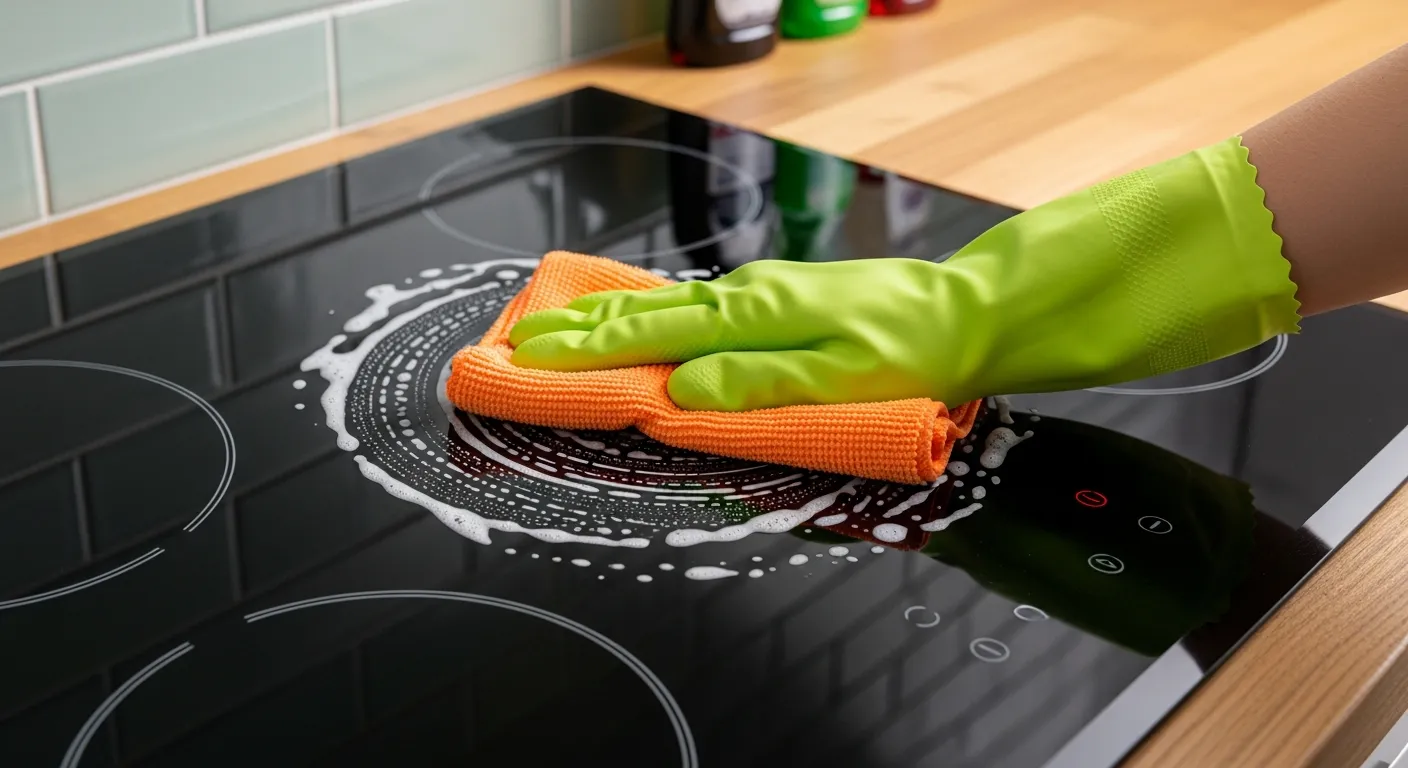
Cleaning is one of those jobs that rarely gets much thought. A surface looks dirty; it gets wiped down. The floor starts looking dull, out comes the mop. Most routines are built around habit rather than technique.
The trouble is that some habits stick around simply because they've always been done that way. A stronger cleaner gets used because it seems more effective. A stubborn mark gets attacked with a scouring pad. Extra water goes onto the floor because it somehow feels like it must be doing a better job.
Months later, cupboard doors lose their finish, flooring starts lifting at the edges, or mould appears in places that seemed perfectly fine before. The connection between the cleaning routine and the damage is rarely obvious.
The "Stronger Is Better" Trap
Cleaning product manufacturers are very good at selling the idea of power. Labels promise deep cleaning, industrial strength formulas and maximum performance. It sounds reassuring. Nobody wants half-clean surfaces. But homes aren't commercial kitchens or factory floors. Most day-to-day dirt doesn't require aggressive chemicals.
Take painted kitchen cabinets. They spend years dealing with cooking residue, fingerprints and dust. However, frequent exposure to powerful degreasers might gradually remove the finish. Many homeowners are unaware of the change until the surface begins to seem worn out or spotty since it occurs gradually.
The problems with natural stone surfaces are the same. While certain bathroom cleaners are excellent for tiles, they can permanently degrade limestone or marble. Even if a product is great, it might not be appropriate for the surface it is intended for.
For safety and to prevent unintentional harm, the NHS advises using household cleaning products according to the manufacturer's recommendations.
Fighting Every Stain Like It's Personal
Some marks seem to take cleaning as a personal challenge. The harder they resist; the harder people scrub. Unfortunately, surfaces usually lose that contest.
Abrasive pads leave behind tiny scratches that often go unnoticed at first. Then sunlight catches them. Dirt settles into them. Water marks become more visible. Suddenly a surface that looked almost new six months ago appears older than it should. Shower screens made of glass are especially susceptible. Modern bathroom fixtures and gloss-finish countertops can also show signs of wear quite fast.
Professional cleaners frequently don't spend as much time cleaning as they do letting chemicals work. Surprisingly, a few more minutes may save a lot of work and save needless surface damage.
Condensation Has a Way of Sneaking Up
A small patch of moisture on a bedroom window doesn’t feel like much of a deal. It gets wiped away and forgotten. Then winter passes. A dark patch appears behind furniture. Paint starts bubbling in a corner. A musty smell develops that nobody can quite identify. Condensation problems often develop quietly. Unlike a leaking pipe, there is no major warning sign. Moisture builds gradually and finds the least visible places to settle.
Problems with bedrooms are becoming more prevalent, especially in modern homes where ventilation isn't always used properly but insulation is good. There can be an obvious difference if trickle vents are kept open, extractor fans are used correctly, and airflow is let into occupied areas.
According to Government guidelines, ventilation and moisture management are crucial for lowering moisture and mould in homes.
The Parts of Windows Most People Forget Exist
The glass gets cleaned. Everything else gets ignored. It's surprisingly common. Window frames, drainage slots, rubber seals and track channels quietly collect dirt for months at a time. Dust mixes with moisture. Pollen gathers around corners. Dead insects somehow appear from nowhere. None of it seems particularly important until drainage holes become blocked or discolouration starts appearing around the frame.
Another mistake is treating window frames the same way as tougher surfaces elsewhere in the house. Scouring pads and abrasive cleaners may remove marks quickly, but they can also leave permanent scratches.
Those researching UPVC windows Droitwich installers will often find that maintenance advice is refreshingly simple. Warm water, a soft cloth and occasional attention to seals and drainage points are usually all that's required. No specialist products. No complicated routine. Just consistency.
More Water Doesn't Mean a Better Clean
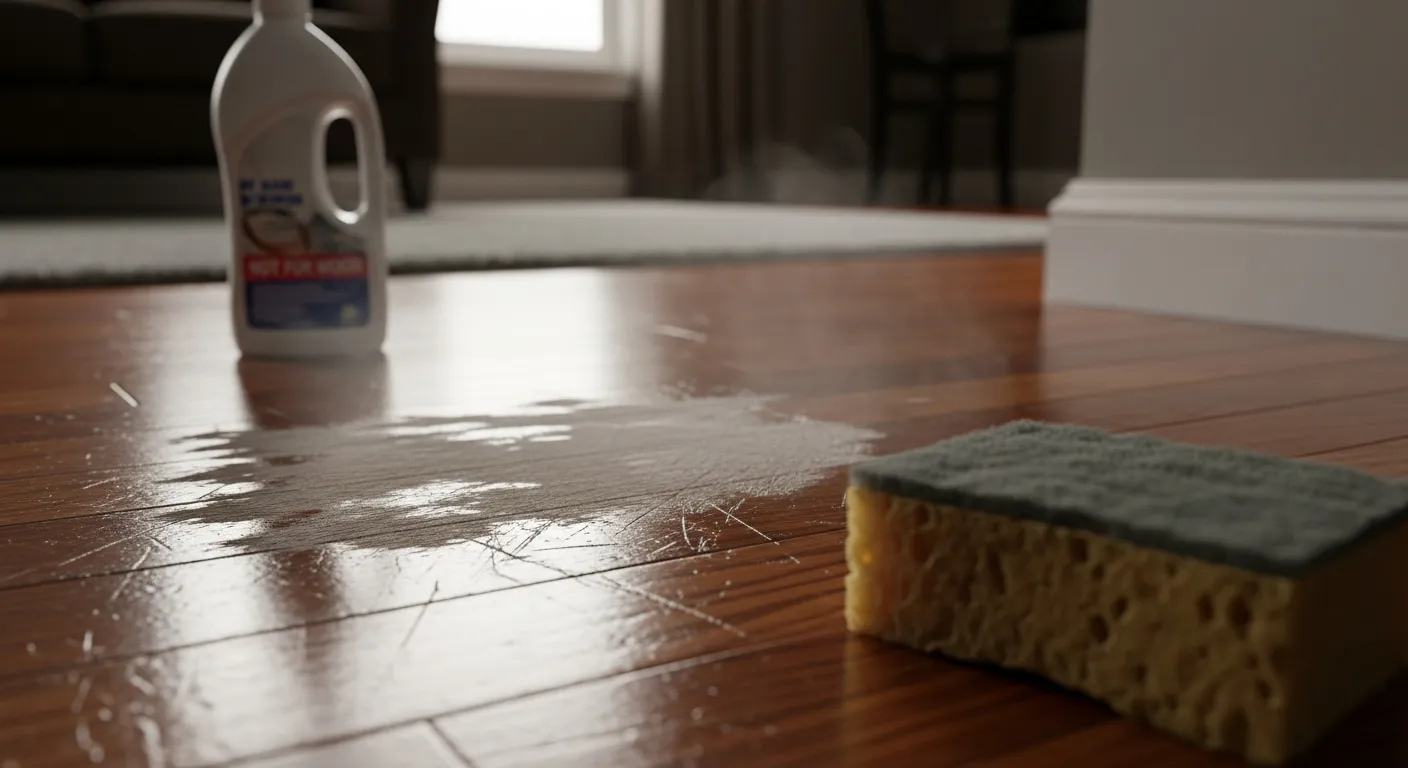
This idea has survived for decades despite causing endless flooring problems. A mop dripping with water feels productive. The floor looks thoroughly cleaned. Everything seems fine. Then the edges start lifting. Wood and laminate flooring absorb moisture far more easily than many people realise. Water doesn't need a large opening. Tiny gaps around joints are enough.
The damage isn't always immediate. Sometimes it takes weeks before swelling becomes visible. By then, most people blame the flooring rather than the cleaning method. For most modern floors, slightly damp is plenty.
Appliances Are Easy to Forget Until They Break
There is a reason appliance engineers repeatedly find the same issues. Blocked filters. Dust-clogged vents. Dirty seals. Most appliances continue functioning long after maintenance is overdue. Cleaning them is at the lowest of the list of priorities because nothing seems wrong.
More debris may be collected by a dishwasher filter than most people realise. Every year, refrigerator coils silently collect dust. Long after a cycle is over, moisture and detergent residue are retained by washing machine door seals.
None of these issues are that major alone. But together, they can reduce efficiency and shorten the lifespan of expensive appliances.
Final Thoughts
Many household cleaning mistakes start with good intentions. Nobody damages a floor on purpose. Nobody scratches a window frame deliberately. Nobody plans for mould to develop behind a wardrobe. The problem is usually overconfidence rather than neglect. More product. More pressure. More water. Yet homes generally respond better to moderation.
Tougher cloths can be frequently replaced by softer ones. Over time, a mild cleaner frequently performs better than a strong one. Hours of repair work later on are typically avoided with 10 minutes of periodic maintenance. Cleaning everything thoroughly isn't the only way to keep a house in good shape. It's about knowing when less is actually the smarter option.