

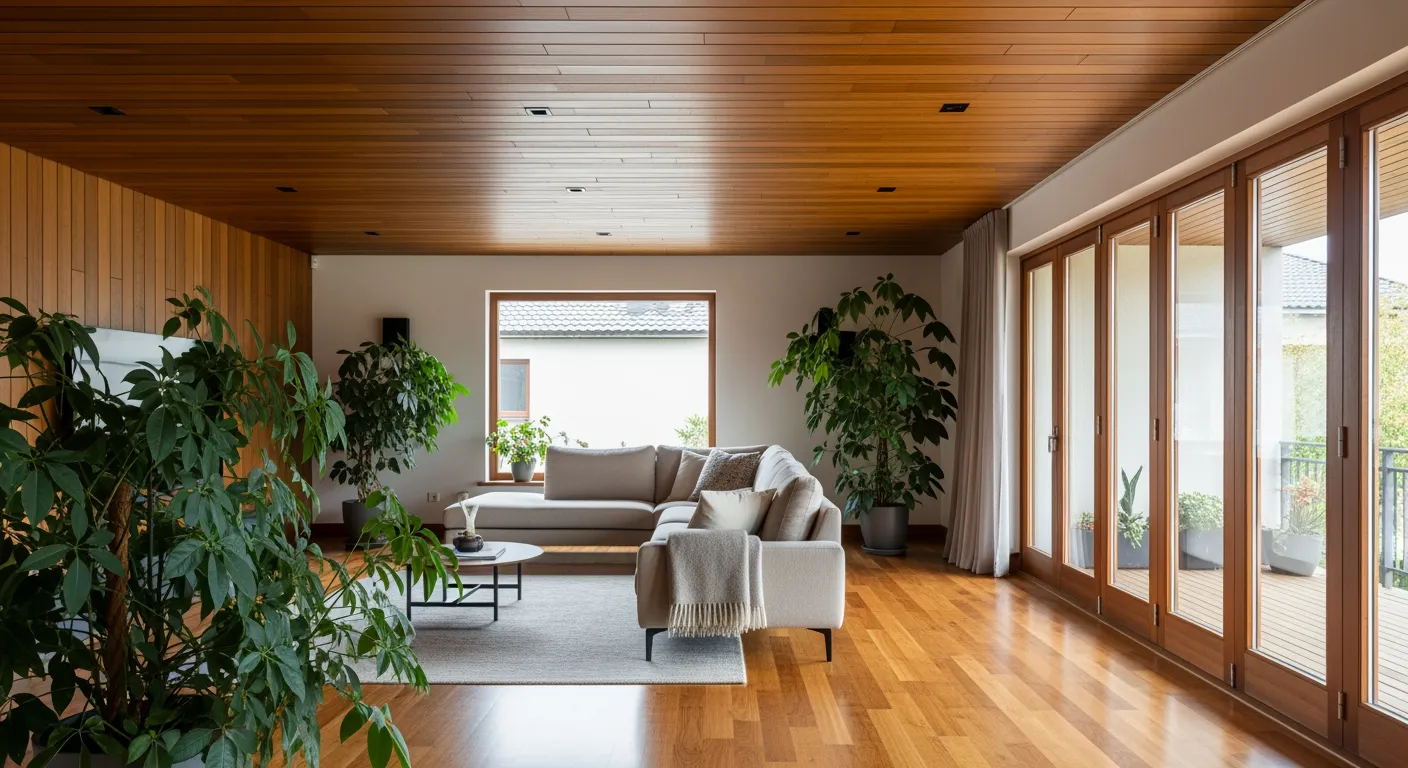
Bringing timber into your interior gives any room a lift, adding texture and depth that change how the space feels from the moment you enter. Wood’s natural grain and warmth offer a touch of calmness and a feeling of understated style, often making people feel instantly at home. Discover how timber elements can enhance both texture and depth in a space while elevating its atmosphere.
From eye-catching furniture and subtle decorative details to larger features, the feel of wood under your hand can make a space welcoming and relaxed. Its adaptability means it works with both contemporary and classic looks, while always keeping that distinctive charm only timber can offer.
You also get some practical perks. Wood can help improve air quality and dampen noise, making rooms quieter and fresher. Its ability to look timeless ensures it suits all sorts of design tastes, so it’s no wonder people keep coming back to it. Timber’s sustainable profile gives it bonus points: it brings nature indoors without the guilt, which fits perfectly with the push for greener living.
Incorporating Timber Features in Living Spaces
Timber accents in furniture and decorative pieces add real depth and character to your living space. Items like designer wooden furniture or standout accessories give a genuine feeling of warmth that only natural materials can achieve.
Handcrafted items, such as a steam-bent oak coat rack, serve a purpose but also immediately catch attention with their unique grain and shape. These are the sort of pieces people ask about when they pop round, and for good reason.
Mixing different types of wood, for example pairing oak with walnut, helps a room avoid looking flat. The contrast between lighter and darker woods keeps things visually interesting without overwhelming the space. Even small accessories, like a wall-mounted sign carved from American black walnut, can bring a sense of unity to your décor while adding a bit of charm.
Choosing timber features with care helps highlight the beauty of wood and creates rooms that feel both welcoming and polished. A few key pieces can give your home that sense of comfort and calm, where every detail feels intentional and contributes to a cohesive look.
Understanding Timber Surface Textures
The feel of a wood surface has a huge impact on atmosphere and style – each texture doing its own job in shaping how a room looks and feels.
Smooth wood is all about elegance and understatement. These surfaces are finely sanded and even, so the natural grain and colour really show off. They bounce light around evenly, which can help a space feel larger and more tranquil, especially when choosing lighter shades. If you want your floors to act as a subtle backdrop that doesn’t compete for attention, smooth wood is a dependable bet for creating a calm, open vibe.
Brushed wood brings extra touchability. By removing some of the softer fibres, the grain stands out with gentle highs and lows, adding warmth and interest. Brushed finishes are great if you want something with a bit more depth but still aiming for a modern, inviting look – think boutique hotels or those ‘just right’ home interiors. The way light grazes these surfaces creates soft shadows that make a room feel both comfortable and well put-together.
Sawn wood is for those who don’t mind making a bit of a statement. Saw marks left on the planks provide a striking, industrial edge and a sense of movement. The pronounced lines grab the eye and inject rhythm into the floor, making it perfect for places where you want to show some raw material honesty and add boldness to the design. If blending in isn’t the aim, sawn wood stands out with confidence.
Hand hewn textures are for anyone who wants character and history underfoot. Each plank is worked by hand, leaving unique tool marks and subtle irregularities. This style feels deeply crafted, celebrating the skill involved and bringing a sense of heritage. Hand hewn surfaces suit lofty rooms with plenty of light and become a genuine talking point, drawing attention without trying too hard.
Choosing the right wood surface texture means being clear about what matter most for your project. Each type can completely transform how a space feels, whether you want simplicity, warmth, drama, or a link with tradition.
Choosing the Right Texture
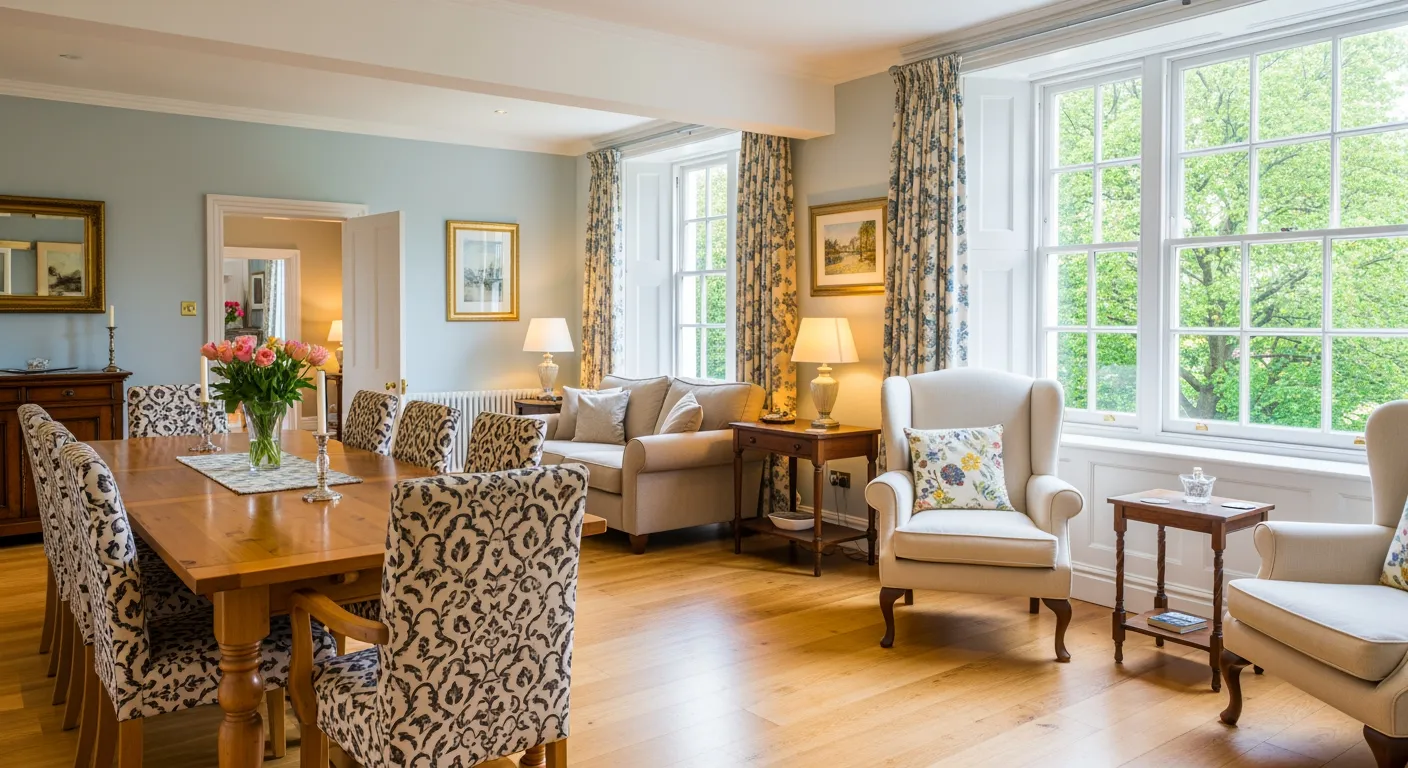
Choosing wood textures for your interiors is all about the bigger picture—context really does matter. The size of the room, how much natural or artificial light you get, and your chosen design approach make a huge difference to what will work best.
If you’re working with a large space, bolder textures like sawn or hand hewn wood can take centre stage without overpowering the room. These more dramatic textures add real depth and visual interest. In cosier rooms, opting for a smoother finish works wonders. Smoother surfaces bounce light around and help create a calm and open atmosphere where everything feels a bit more relaxed.
Light is another key thing to think about. Smooth wood reflects light evenly, which is perfect if you have bright, sunlit spaces or you want to introduce a gentle, calm mood. On the other hand, textures like brushed or sawn wood scatter light, casting shifting patterns across the floor. This effect adds movement and energy, making low-light or north-facing spaces feel more lively and inviting.
Your design goals will give you the final nudge. Many homes benefit from smooth or brushed finishes for their sense of comfort and simple elegance. In hotels, restaurants, or creative workspaces, you might want to introduce the character and impact of sawn or hand hewn wood. Don’t forget colour—lighter shades often suit brushed textures, softly warming up your space, while dark colours on smooth floors can bring a touch of luxury. Weigh up these details, and you’ll be able to pick a wood texture that takes your interior from just okay to genuinely impressive.
Enhancing Atmosphere with Timber Features
Timber has a real knack for shaping the mood of a room, especially when it comes to how light behaves. Smooth wood surfaces act a bit like well-mannered mirrors, bouncing light evenly around the space. This makes a room feel more open and soothing—perfect if you’re after a calm spot to unwind or entertain.
In contrast, textured timber such as sawn or hand hewn disrupts that light, scattering it so the surface comes alive with depth and movement. The effect is particularly striking in rooms where the lighting changes throughout the day, bringing the space to life in ever-subtle ways.
But timber is more than just eye-candy for lighting. Its feel, from the gentle grain of brushed finishes to the bold texture of hand hewn planks, delivers warmth you can both see and sense. Brushed and hand worked surfaces aren’t just for those who want to run their hands along the grain—simply seeing them gives a room a comfortable, welcoming feel that’s hard to fake with other materials.
Timber’s honest texture gives interiors a down-to-earth character. Whether you’re after a quiet haven or somewhere lively, the right timber finish draws the natural world indoors, giving your home a lasting sense of warmth and authenticity.
Practical Tips for Incorporating Timber
Blending timber elements into your home works best if you pick your spots carefully, so your space feels more inviting rather than busy. Think about where natural materials could lift the mood—living rooms, entryways, or anywhere that needs a touch of character
Start small with standout pieces like a handcrafted steam-bent oak coat rack. It does the job of a coat rack, but its curves and grain make it a real talking point.
Keep things balanced by mixing wood types. For example, the gentle look of oak teamed with the richer shade of walnut can stop things feeling too matchy-matchy. It’s about letting one style of timber add contrast to another, so your eye has a few things to enjoy without any one piece stealing the show.
Always pay attention to what’s already in your space: colours, existing furniture and the weight of your current décor. Timber works a treat as an accent, bringing warmth without taking over. Subtle wooden accessories are your friend—a carved wall sign in American black walnut, for example, gives you a lovely designer touch without demanding centre stage.
Finish things off by mixing timber with soft textures, like chunky knit throws or cushions in similar tones. This blend keeps the look consistent and relaxed, making sure your home feels pulled together and welcoming from the moment you walk in.


