

Shopping for a new air conditioner is more than picking a brand and scheduling installation. It is a long-term investment that affects your comfort, monthly expenses, and even your home’s value. A system that looks great on paper can fall short if it is the wrong size, poorly installed, or inefficient for your space. On the other hand, the right unit can keep your home consistently cool while keeping energy costs under control.
Before making a decision, you need to understand how efficiency ratings work, how sizing affects performance, what type of system fits your home, and how upfront costs compare to long-term savings. Taking time to evaluate these factors helps you avoid expensive mistakes and ensures your investment pays off for years.
Why You Should Think Ahead Before Buying
Heat waves tend to push people into quick decisions. When your old system fails during peak summer, the pressure to replace it immediately can lead to overspending or choosing a unit that does not suit your home. Planning gives you room to compare options, check reviews, and consult professionals without feeling rushed.
A thoughtful purchase starts with knowing your priorities. Some homeowners care most about energy savings. Others focus on quiet operation or smart home compatibility. Understanding what matters most to you narrows your options and prevents confusion during sales conversations. Long-term thinking also protects your budget. A cheaper unit may seem appealing at first, yet it can cost more over time if it consumes more electricity or requires frequent repairs.
Understanding Efficiency and SEER Ratings
Efficiency plays a major role in how much you will spend on cooling each month. Modern air conditioners are designed to deliver more cooling while using less electricity, yet not all systems perform the same way. Comparing efficiency ratings helps you separate marketing claims from measurable performance.
If you’re wondering what is a SEER rating, it measures how efficiently an air conditioner converts electricity into cooling output over a typical season. A higher number generally signals greater efficiency. That means the unit can produce the same cooling effect while using less power. Energy standards have evolved in recent years, so you may notice updated rating labels when shopping. Paying attention to these details allows you to compare systems accurately.
How to Choose the Right Size for Your Space
Size affects performance more than most people realize. Bigger does not automatically mean better. An oversized unit cools the space too quickly, shuts off, then starts again shortly after. This cycle repeats frequently and prevents proper humidity control. Rooms may feel clammy even when the temperature looks correct.
An undersized unit struggles oppositely. It runs constantly without reaching the desired temperature, leading to higher energy use and extra wear on components. Comfort remains inconsistent, especially during peak heat. Accurate sizing depends on more than square footage.
Comparing Types of Air Conditioning Systems
Air conditioning systems come in several forms, and each suits different living situations. Central air systems cool an entire home through ductwork and work well in houses that already have ducts in place. They provide consistent temperatures from room to room and remain out of sight once installed.
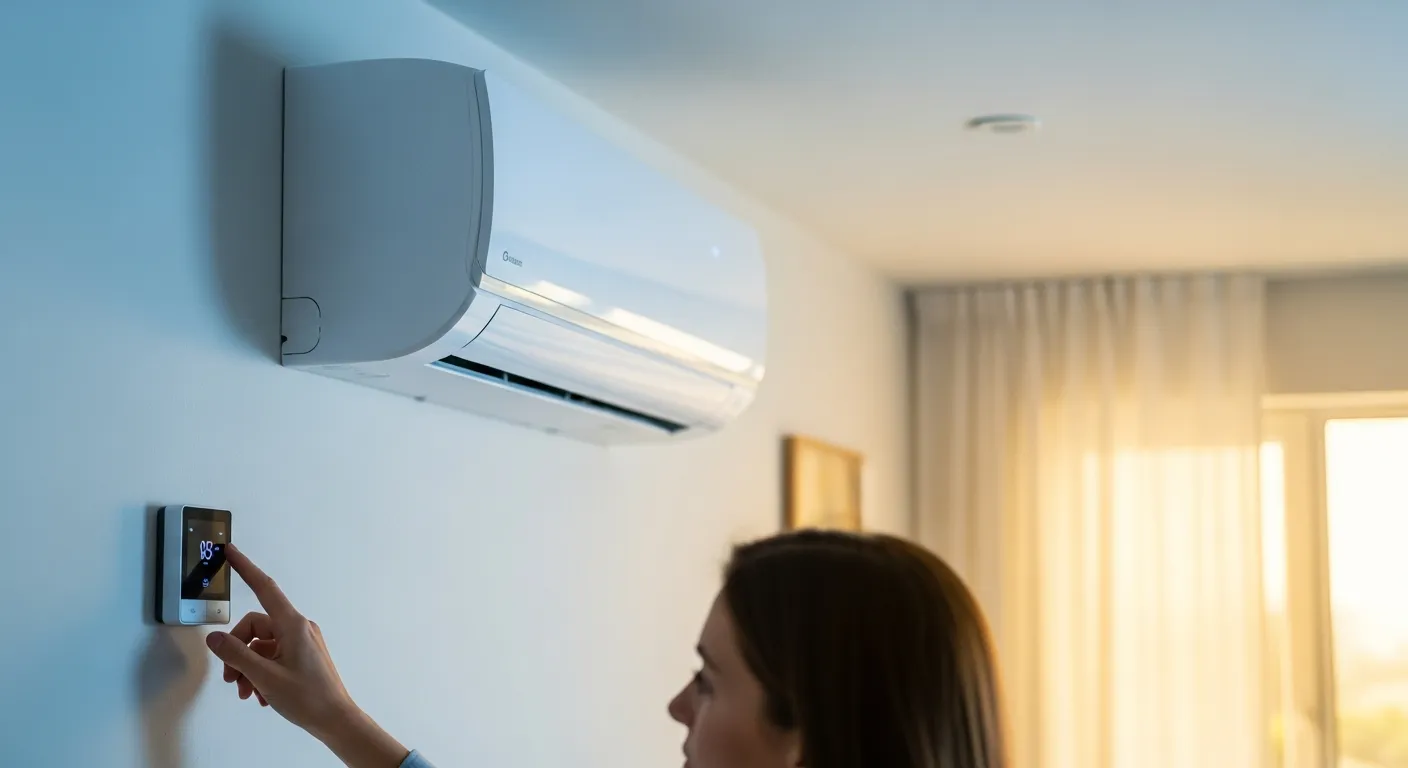
Ductless mini-split systems offer flexibility. They do not require ductwork and allow individual room control. This setup benefits homeowners who want zoning options or live in homes without existing ducts. Installation tends to be less invasive, and energy efficiency can be impressive when used correctly.
Upfront Costs Versus Long-Term Savings
Air conditioner pricing includes more than the unit itself. Installation, duct adjustments, electrical upgrades, and permits can influence the total investment. Gathering detailed quotes gives you a clear picture of the full cost rather than a partial estimate.
Higher efficiency systems often come with a higher purchase price. Energy savings over time can offset that difference, particularly in hot climates where cooling runs for months. Warranty coverage also plays a role in long-term value. Strong warranties reduce the financial impact of unexpected repairs. Balancing upfront expense with ongoing operating costs leads to smarter spending.
Key Features Worth Paying For
Modern air conditioners come with a range of features, yet not all of them add real value. Focusing on options that improve comfort and efficiency helps you avoid paying extra for upgrades that look impressive but offer little benefit.
Variable-speed compressors stand out as one of the most practical enhancements. Instead of running at full capacity all the time, these systems adjust output based on demand. This leads to steadier indoor temperatures and better humidity control. Energy use also becomes more consistent, which can lower monthly bills. Smart thermostat compatibility is another feature worth considering. Remote access and programmable schedules give you greater control over cooling patterns.
Installation Matters More Than You Think
Even the most efficient air conditioner can underperform if installed incorrectly. Proper installation ensures the system operates at its intended capacity and maintains efficiency over time. Poor workmanship can lead to uneven cooling, frequent breakdowns, and higher energy costs.
Correct refrigerant levels, secure duct connections, and accurate thermostat placement all contribute to reliable performance. Small errors during installation can create ongoing problems that are expensive to fix later. Attention to detail during setup makes a noticeable difference in comfort and system longevity. Selecting a qualified contractor requires more than comparing prices.
Maintenance Tips That Extend Unit Life
Routine maintenance keeps your air conditioner operating efficiently and reduces the likelihood of unexpected repairs. Simple tasks performed regularly can preserve performance and extend the lifespan of the system.
Replacing air filters on schedule remains one of the easiest and most important steps. Dirty filters restrict airflow, force the unit to work harder, and reduce efficiency. Clean filters support steady air circulation and improve indoor air quality. Annual professional inspections allow technicians to check refrigerant levels, clean coils, and inspect electrical components. Preventive care identifies small concerns before they turn into major repairs.
Investing in a new air conditioner calls for careful consideration rather than impulse decisions. Understanding efficiency ratings, selecting the right size, comparing system types, and evaluating features all contribute to better long-term results. Installation quality and routine maintenance play equally important roles in overall performance.
A well-chosen system delivers steady comfort, manageable energy costs, and reliable operation for years. Taking the time to plan and ask the right questions leads to a purchase that feels confident rather than rushed. When the heat rises, you will appreciate the preparation that made your home consistently cool and comfortable.
