

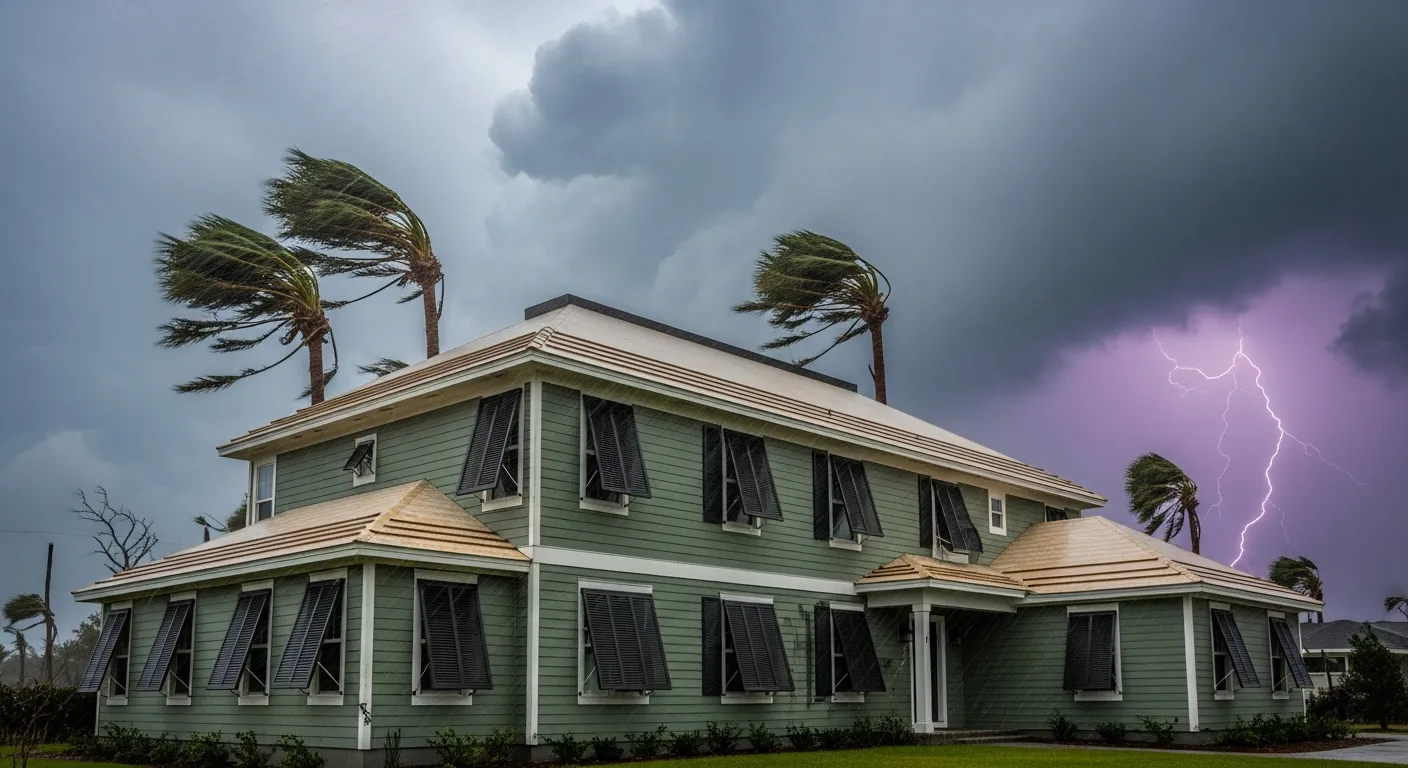
You might trust your house to handle regular rain, but when the wind and water pick up, and a rough storm comes, that confidence gets tested. Loose shingles can create openings for rain, and trees and debris outside can be hazardous to your outdoor spaces.
Stormy weather is easier to handle when your home is ready for it. Want to limit the damage before the next round of bad weather rolls in? Here are eight ways to make your home more resilient to heavy rain and storms.
1. Reinforce Your Roof
Loose shingles and damaged flashing can give water an easy entry point into the house. On a sunny day, check for cracked, curling, or missing shingles on your roof. Look around vents and flashing for gaps. If you see anything concerning, have a roofing professional repair damaged areas and secure loose materials. These regular inspections and timely repairs keep your roof ready for extreme weather.
2. Install High-Quality Gutters
If your home lacks a reliable gutter system, rainwater runoff can spill over the roof’s edge and collect by your house’s foundation. That moisture can contribute to erosion and water damage. Be sure to choose a gutter system based on your area’s weather patterns.
For example, homes in east-central Georgia, where heavy rainfall can put drainage systems to work, need gutters that can handle substantial water flow. Invest in gutters Augusta GA locals trust for a system suited to local conditions. Make sure the gutters are securely attached and paired with downspouts that carry water away from the foundation.
3. Seal Gaps Around Windows
Windows can also be vulnerable during storms, especially when wind pushes rain against the exterior. Small openings around the frames can allow moisture inside. If you spot cracks or feel a draft where there shouldn’t be around the frame, seal window gaps with exterior-grade caulk or replace worn weatherstripping. Give extra attention to older windows. Keeping these openings sealed blocks wind-driven rain from entering your house.
4. Trim Trees Near Your Home
There are numerous safety concerns surrounding trees during stormy season. Weak branches and large limbs near the roof or windows can cause expensive damage if they break. Inspect the trees near your home before the stormy season. Look for dead limbs or growth that hangs too close to the roof.
You can hire a tree professional for larger branches or trees that require climbing. Avoid cutting major limbs yourself if you’re not sure how to do it safely. Keeping these branches under control reduces the chance of storm debris hitting your home.
5. Protect Your Outdoor HVAC Unit
Your outdoor HVAC unit sits exposed to wind, rain, and flying debris. A strong storm can push branches or loose yard items into it, restricting airflow. Even if it’s tempting, avoid covering the unit with a sealed tarp while it’s operating. That can trap heat and moisture around the equipment. Instead, clear the area around the unit. Remove loose objects before a major storm arrives. You can also ask an HVAC professional about a proper protective cover if your system needs one.
6. Improve Your Yard’s Drainage
Rainwater that has nowhere to go can collect beside the foundation or sit in planting beds. In the garden, waterlogged soil can damage roots and create unhealthy conditions for plants. Watch where rainwater collects during a downpour. Low spots may need to be regraded, and away from the house at that. You can also work compost or other organic matter into compacted garden soil to improve drainage.
7. Check Your Sump Pump
If a sump pump fails during a storm, rising water may have nowhere to go, leading to flooding. Test the pump regularly before stormy weather arrives. Slowly add water to the sump pit and check whether the pump activates immediately. Check that the discharge pipe is clear and sends water away from the foundation, too. It’s also wise to have a backup pump, just in case.
8. Stock Up on Emergency Supplies
A storm can make grocery runs more difficult. Before a severe storm arrives, make sure your pantry is stocked with shelf-stable food and drinking water for several days. Check your toiletries, pet supplies, and medication.
Having these items ready means you can stay home if roads become unsafe during the storm. It also helps to have a disaster supplies kit around. Include flashlights, extra batteries, and some chargers. Keep the bag in an accessible place so it’s easy to grab when needed.
Endnote
Give your home the kind of upkeep that helps it take a hit and keep standing. Next storm season, you’ll have fewer weak spots to worry about, even in the roughest weather.


