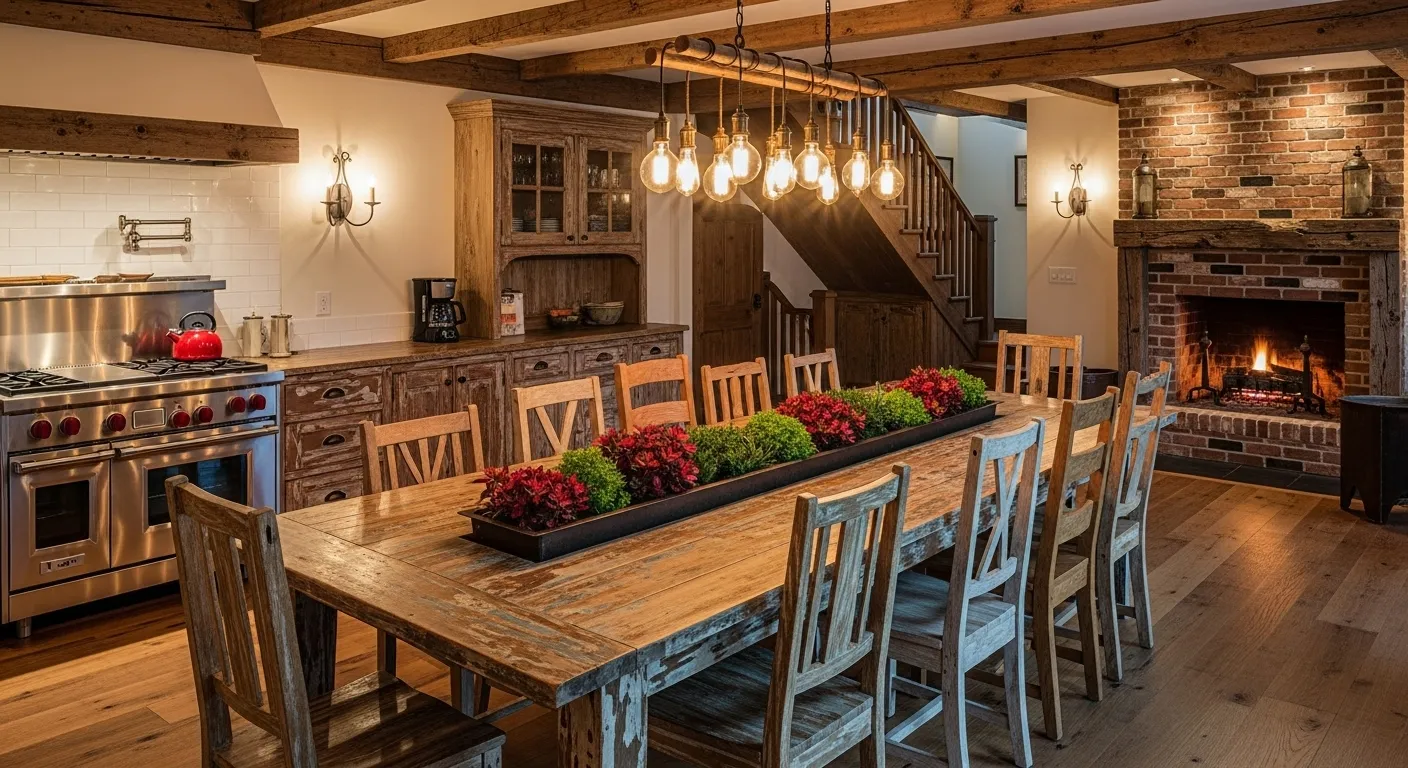
In communities governed by Homeowners Associations (HOAs), exterior facade projects present a unique design challenge — how to innovate while respecting architectural guidelines and community character. Today’s most successful facade updates balance compelling visual impact with seamless compliance.
Influenced by evolving material technologies, color theory and sustainability priorities, exterior design trends provide professionals and motivated DIYers with a toolkit for facades that are contemporary, cohesive and HOA-friendly.
1. Rich, Layered Materials and Textures
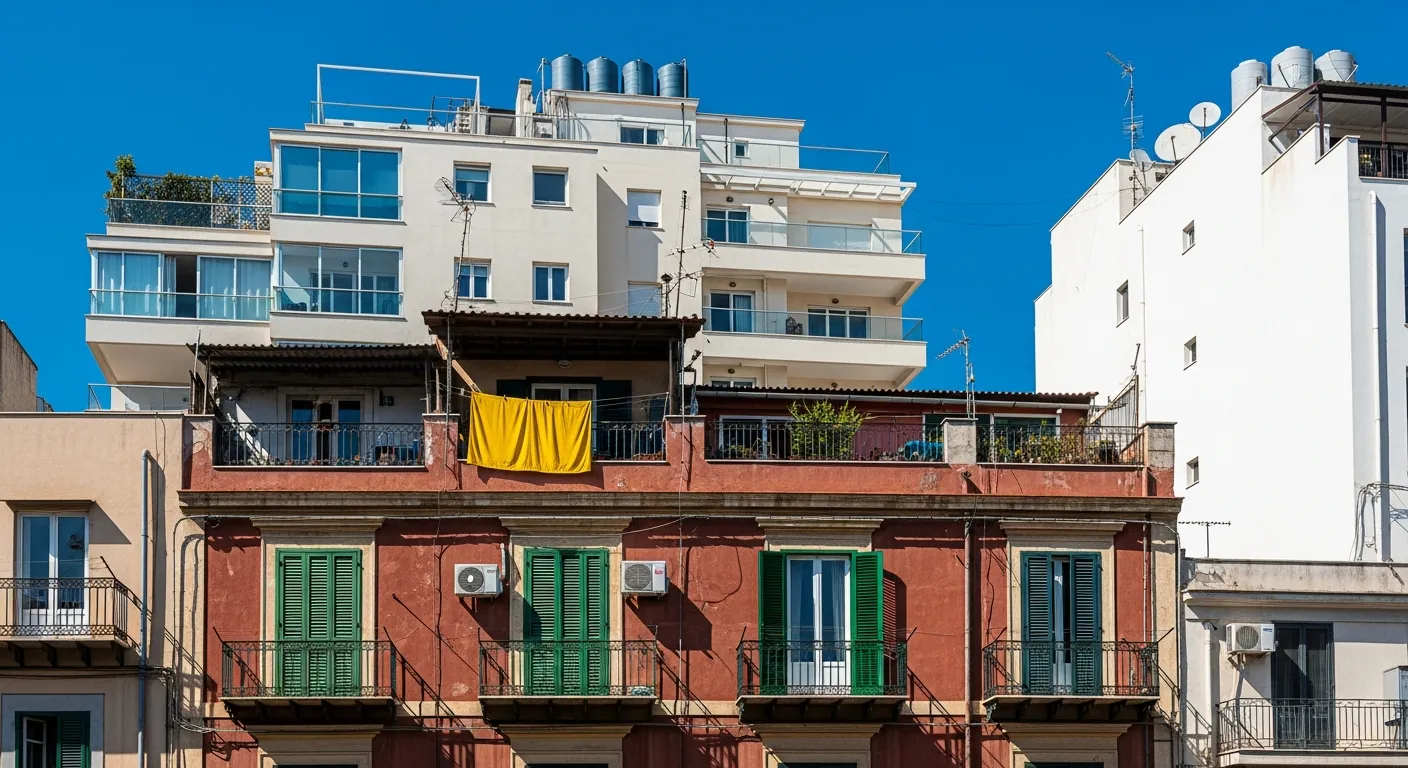
Layering materials adds depth and visual interest to a facade, preventing large surfaces from feeling flat. Stone veneer, wood slats, fiber cement or metal accents can create richness while maintaining cohesion with neighboring homes. Even metal buildings, which some HOAs have traditionally restricted due to their industrial appearance, can now feature facades that mimic wood, stone or stucco. This can meet community standards while offering durability and low maintenance.
When submitting plans to an HOA, including a detailed material board with specifications, warranties and finishes can help committees visualize the outcome and reduce the likelihood of revisions. Providing mockups that show how materials transition across the facade, and highlighting sustainable options — such as reclaimed wood or high-recycled-content fiber cement — demonstrates both thoughtful design and long-term performance, increasing the chances of smooth HOA approval.
2. Bold Yet Balanced Color Schemes
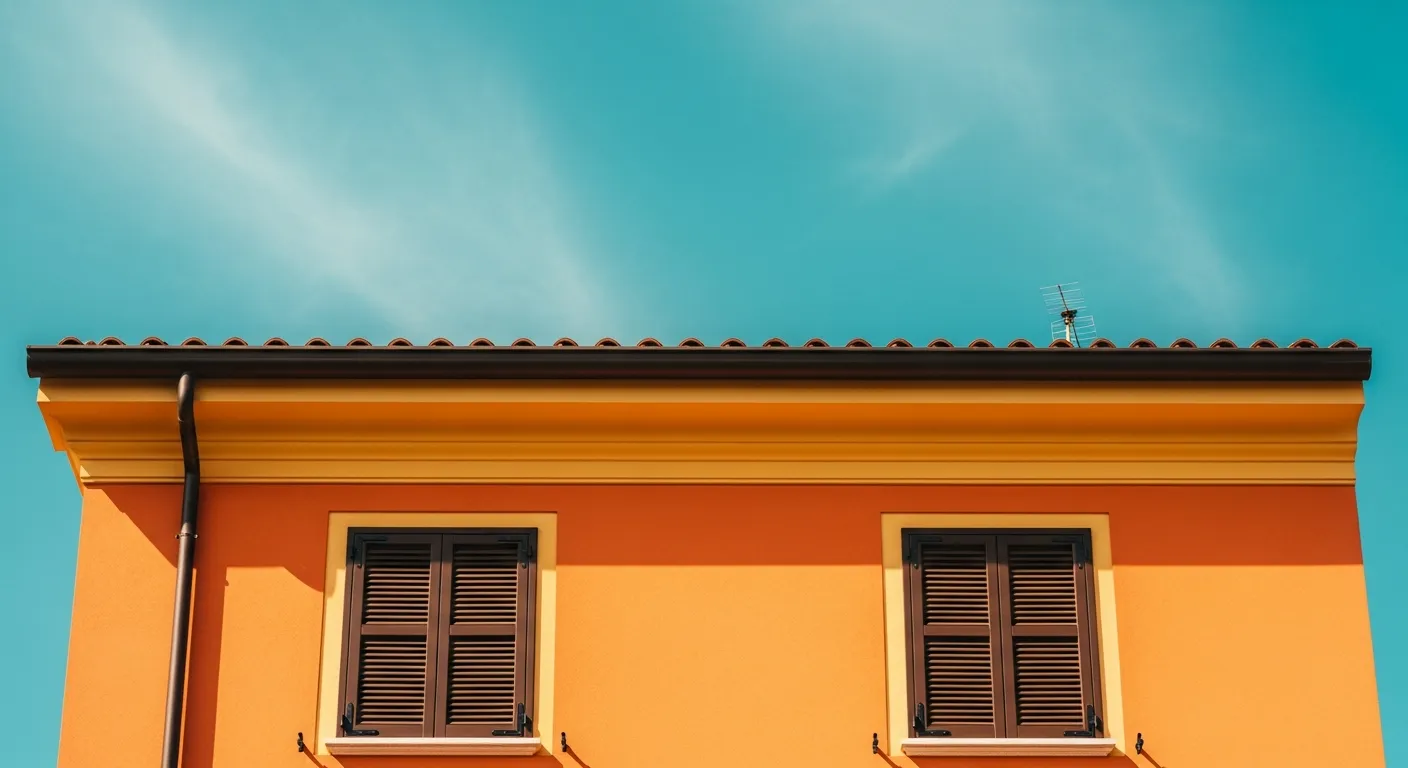
Color has moved beyond neutral dominance, with deep, saturated hues becoming key for modern facades. Navy, charcoal, forest green or muted jewel tones create dramatic yet sophisticated statements when balanced with complementary neutrals. Two-tone approaches — where trim, shutters or minor architectural elements contrast a primary color — add visual rhythm and dimension without clashing with HOA palettes.
For approval, include photographic mockups and physical swatches showing color interaction under morning, midday and evening light. Demonstrating how choices complement existing homes and landscaping reassures committees that bold palettes enhance rather than disrupt neighborhood cohesion. Pairing dark hues with lighter natural materials, such as stone or wood, often satisfies HOA criteria while creating a contemporary, high-end aesthetic.
3. Integrated Sustainable and Performance Features
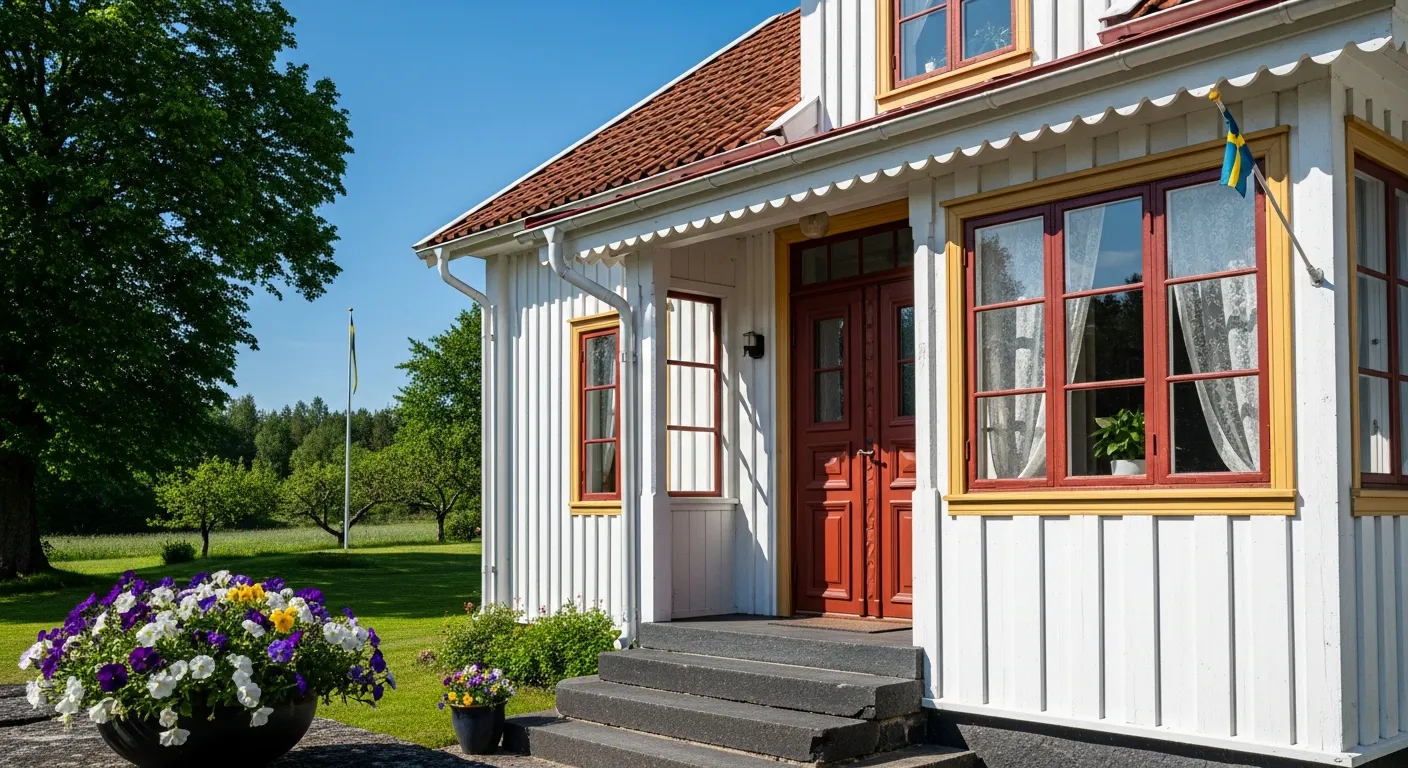
Sustainability is now a central aspect of facade design. High-performance insulated walls, thermally broken window frames, energy-efficient glazing, and integrated solar panels or shading systems can reduce energy costs while enhancing visual appeal. Solar arrays with low profiles and uniform finishes blend seamlessly with rooflines, maintaining a clean and visually pleasing exterior. Biophilic elements — such as vertical gardens, planter-integrated walls or trellises — introduce texture and environmental benefit, improving both air quality and neighborhood aesthetics.
When submitting to an HOA, include technical specifications, energy savings data and visual mockups that show how sustainable features integrate naturally into the architecture. Emphasizing low-maintenance finishes, warranty data and projected life cycle benefits demonstrates both foresight and value, which often accelerates approvals.
4. Minimalist Architecture With Clean Lines
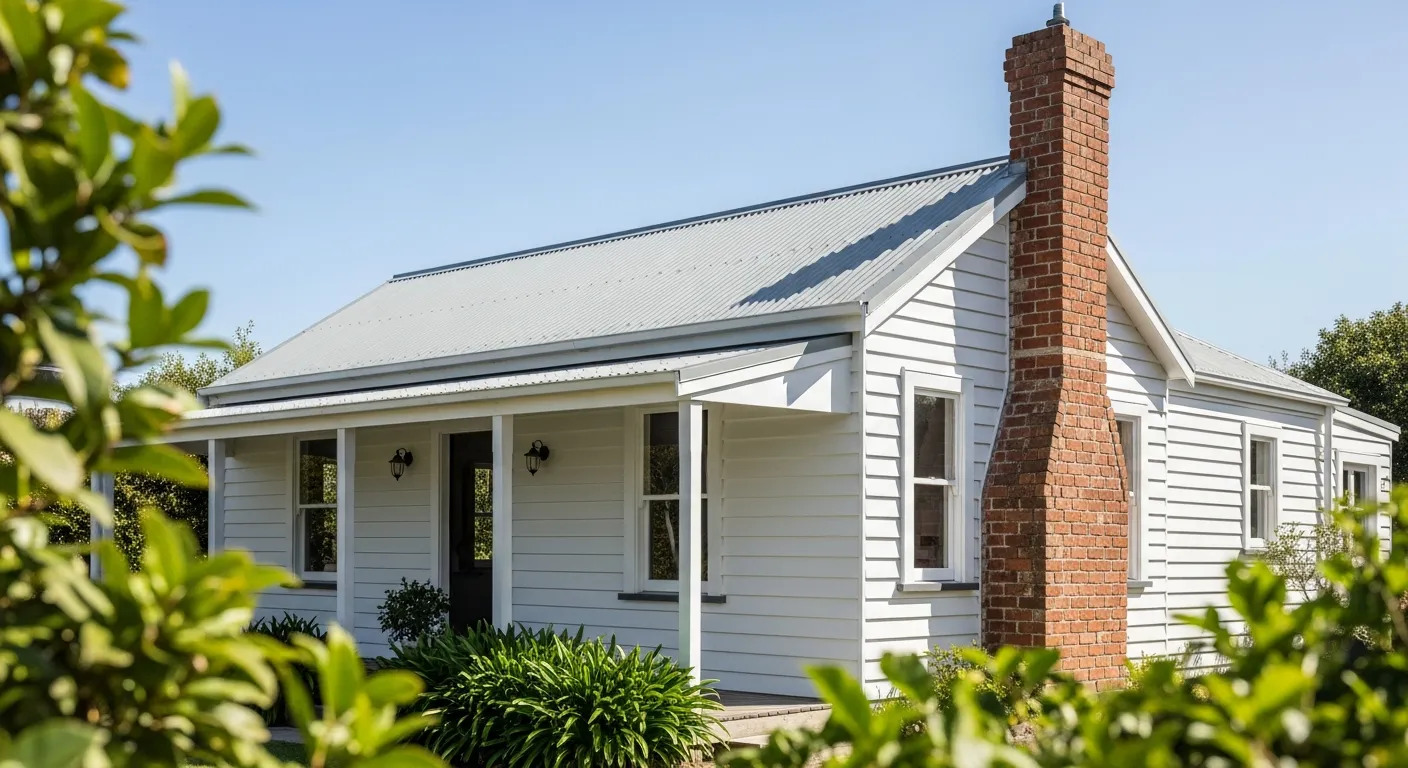
Minimalist facades emphasize simplicity, balanced proportions and uncluttered geometries. This approach prioritizes volume, shadow and material quality over decorative ornamentation, resulting in a timeless aesthetic that appeals to both designers and HOA boards seeking cohesion and unity. In practice, this can mean flat or gently sloped rooflines, recessed entries and large, uninterrupted planes. Neutral base colors — such as soft greys, warm beiges or muted stone tones — can maintain harmony across streetscapes, while small, carefully chosen accent details, like a slim metal handrail or minimalist house numbers, add sophistication without distraction.
Minimalist design becomes particularly effective as residential lots shrink. In 2023, two-thirds of new single-family homes occupied lots smaller than 9,000 square feet. Streamlined forms and uncluttered facades help smaller lots appear more spacious, enhance curb appeal and facilitate easier alignment with HOA standards for proportionality and neighborhood cohesion. Presenting high-resolution elevations, 3D renders and sample swatches demonstrates how this approach strikes a balance between modern aesthetics and community guidelines.
5. Expansive Glazing and Refined Window Design
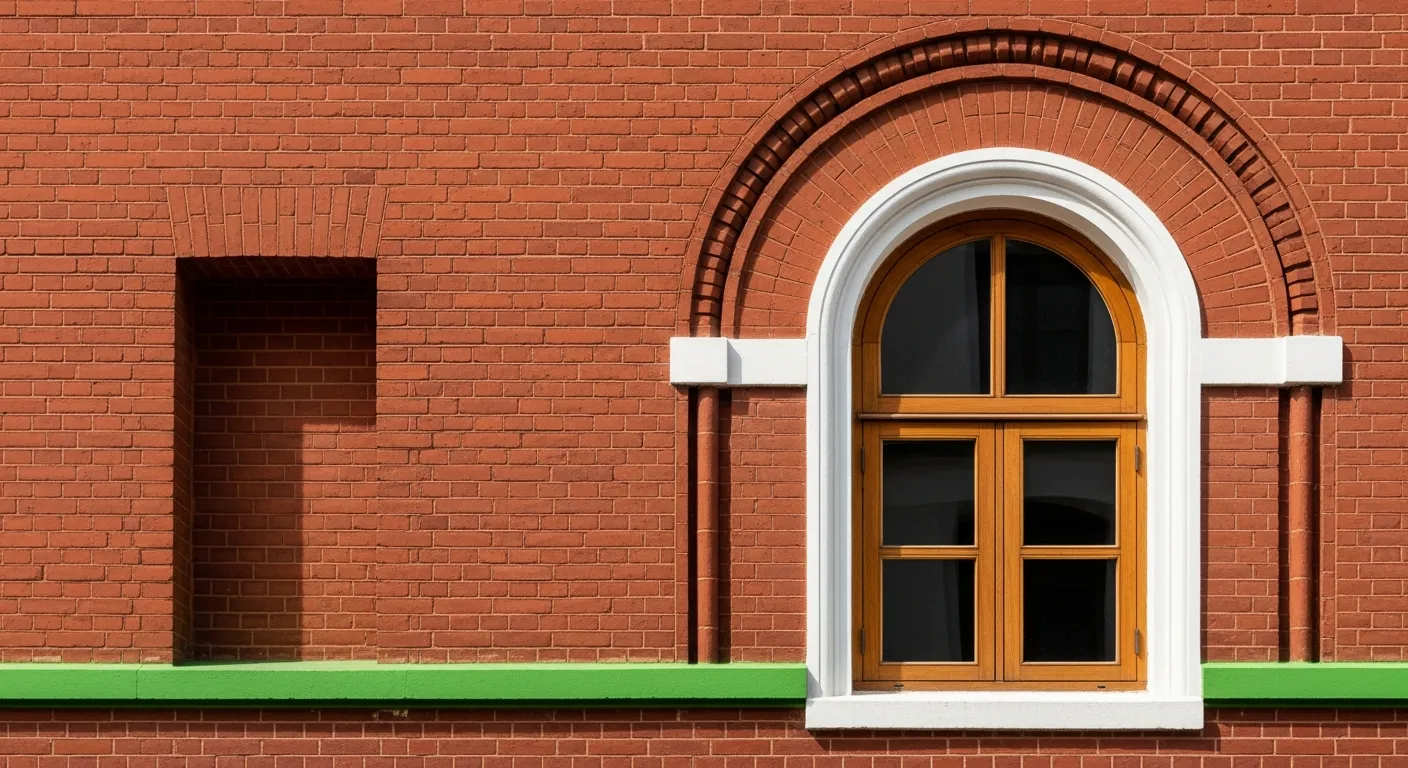
Large, carefully framed windows enhance facades by increasing natural light, creating transparency and emphasizing architectural rhythm. Popular trends include floor-to-ceiling windows, black or dark-colored mullions, and thermally optimized glazing. These features visually lighten heavy facades and create a seamless connection to outdoor spaces, particularly when paired with terraces, patios or gardens.
For HOA compliance, include window performance data and context images that illustrate privacy management, such as frosted panels, shades or strategic landscaping. Showing how large glazing maintains street rhythm, avoids glare or overexposure and complements neighboring homes increases confidence in the design and minimizes back-and-forth revisions.
6. Seamless Indoor-Outdoor Transitions
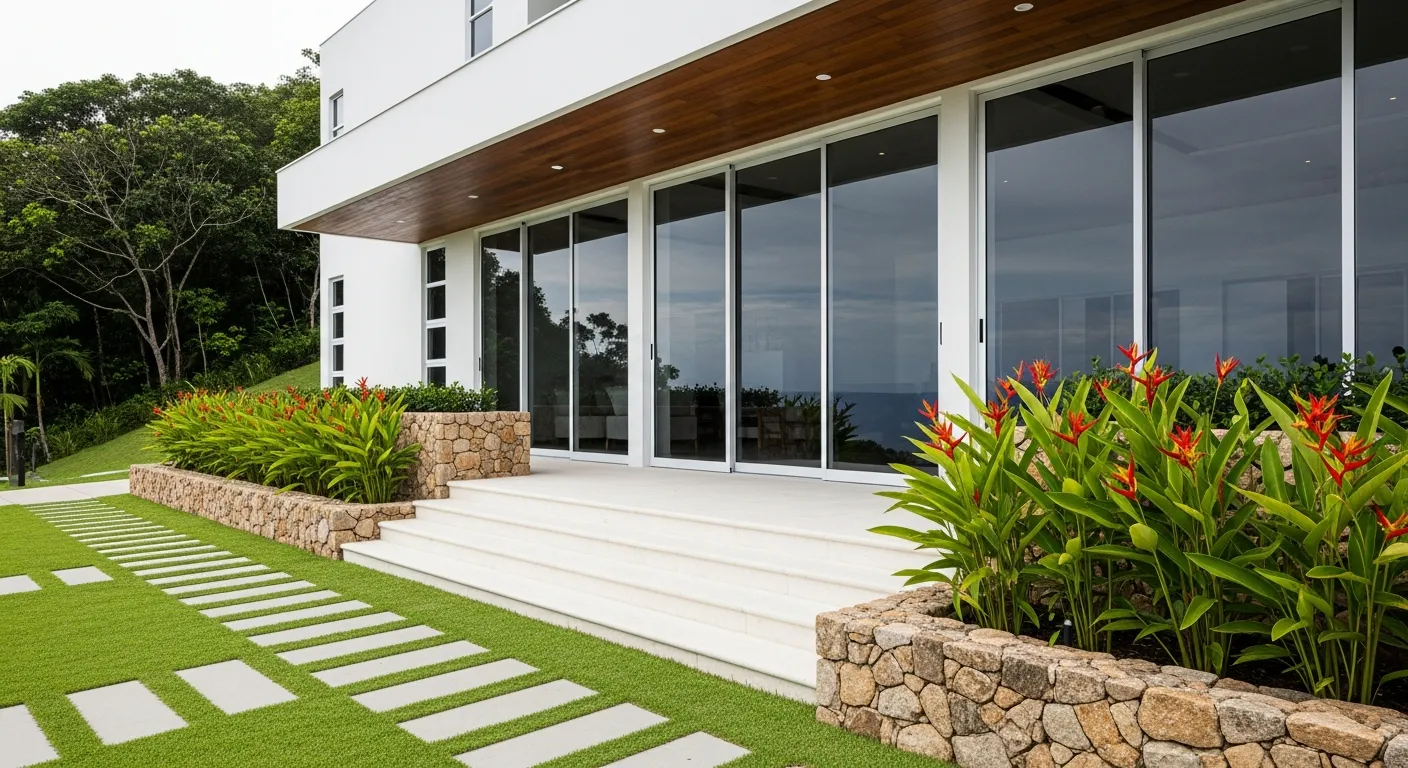
Modern facades increasingly integrate indoor-outdoor living. Sliding or folding glass doors, covered terraces and connected patios expand functional space while visually tying exterior design elements together. Thoughtful placement, such as favoring side or rear elevations for larger transitions, ensures front-facing facades maintain balance and adhere to HOA standards.
Incorporating site plans, sightline diagrams and elevation context helps committees see how transitions impact street-facing views. Using materials consistent with the main facade — such as matching cladding, roof trim and color palette — reinforces cohesion. Integrated planters, pergolas or subtle lighting elements demonstrate a considered design that benefits both homeowners and the community's aesthetics.
7. Architectural Accents and Refined Detailing
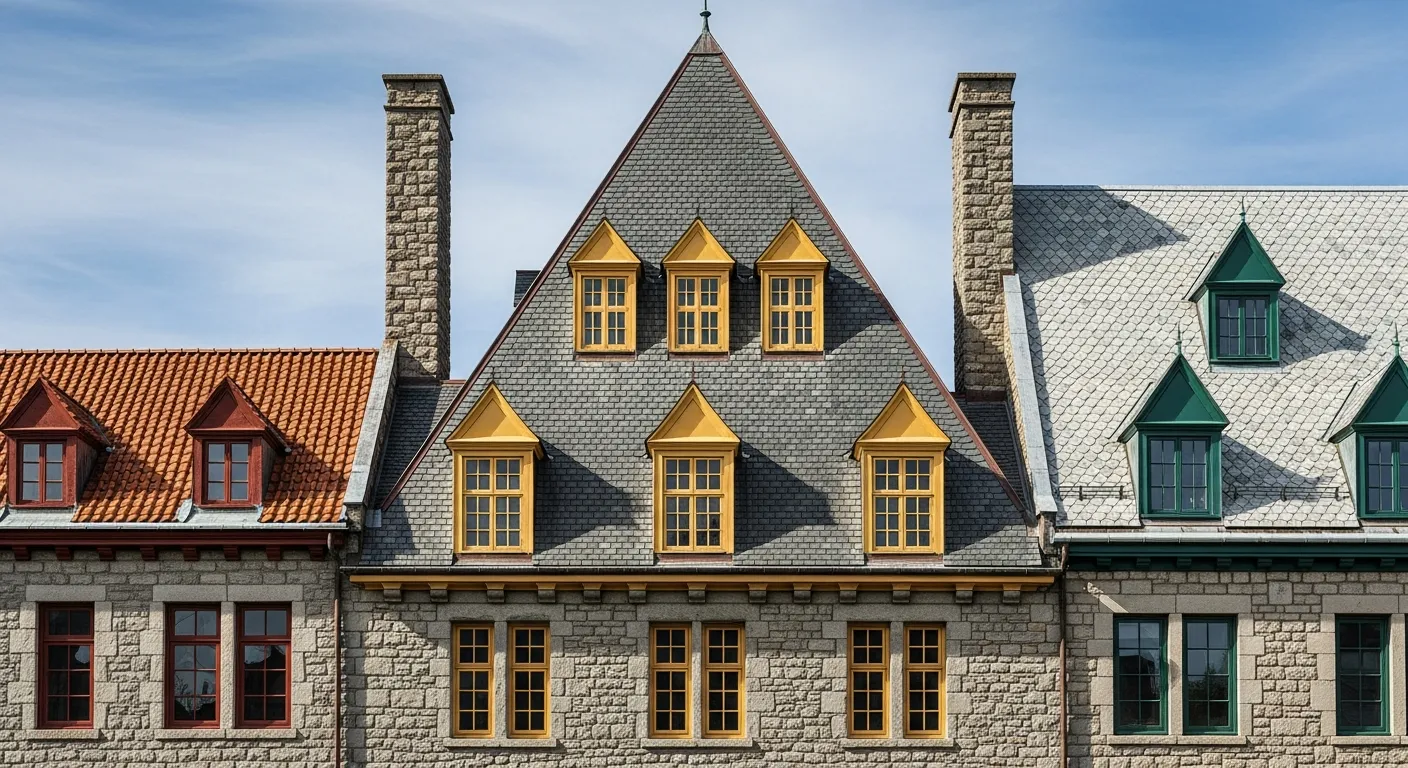
While large-scale materials define a facade’s foundation, small, crafted details give a home its distinctive character and polish. Thoughtful elements such as window trim, cornices, railings, shutters, house numbers and subtle roofline variations create rhythm, highlight entrances and reinforce proportional balance across the facade. Hand-applied or artisanal touches — such as custom woodwork, limewashed accents or bespoke metal elements — introduce subtle irregularities that catch light and lend elegance without overwhelming the design.
When submitting to an HOA, include high-resolution elevations, close-up renders and specification sheets showing the scale, placement and finishes of these accents. Demonstrating how these crafted elements align with overall design intent and community character reassures committees that the facade is thoughtfully composed, boosting the likelihood of approval.
Facades That Elevate Communities
By understanding and applying exterior facade trends, architecture professionals and knowledgeable DIYers can deliver facades that resonate visually and contextually — winning HOA approval with clarity and confidence. The key is strategic documentation, thoughtful material choice, and deliberate color and form decisions.
When these elements work together, facades become extensions of individual expression that enhance the collective architectural narrative of a community. Whether minimalist or richly layered, each trend reflects a broader design philosophy where innovation meets harmony, creating exteriors that endure in both appeal and performance.